On The Road

This book goes beyond a road trip, because what it provides is more of a historical snapshot of what the roads and landscape were like over a half-century ago.
Antiquarian and Classic Book Reviews
Rusalka is a tortoiseshell cat, with beautifully brindled fur and a silly Groucho-Marx moustache. She’s bossy, chatty, and very, very lovey.
She was adopted at ten weeks old in September 2020 and is the youngest cat in our household. People warned us about ‘tortitude’ when we adopted her — and she does have attitude, but not nearly as much as we expected.
Rusalka hates to be picked up. Except when she wants onto your lap, then you have to pick her up. Any other time, and she will stick her legs and claws out and flail like you’re murdering her. She goes where she wants to go, and she might be a little bit spoiled.
But you are guaranteed to be Rusalka’s friend. This cat has always been friends with everyone. She is friends with the vet. After her shots, she will rub against the vet’s leg to remind them that they are still friends. She is friends with the service technicians who fix our furnace. And the plumber. And anyone who visits. And her sisters most of all. Rusalka even gets along with the famously anti-friends Jabberwocky.
She is very serious when she plays, whether that’s chasing a string or screaming before running after a felt bee thrown down the hallway. Her favourite toy is the bee on the string, but we don’t play that very often. When she catches the bee on the string, she bites down and growls and gets very, very serious about keeping what she has caught.
She’s the biggest, cuddliest Mama’s girl, and Hargrave rarely gets to lie down and read without Rusalka insisting on being put on her lap.
This book goes beyond a road trip, because what it provides is more of a historical snapshot of what the roads and landscape were like over a half-century ago.
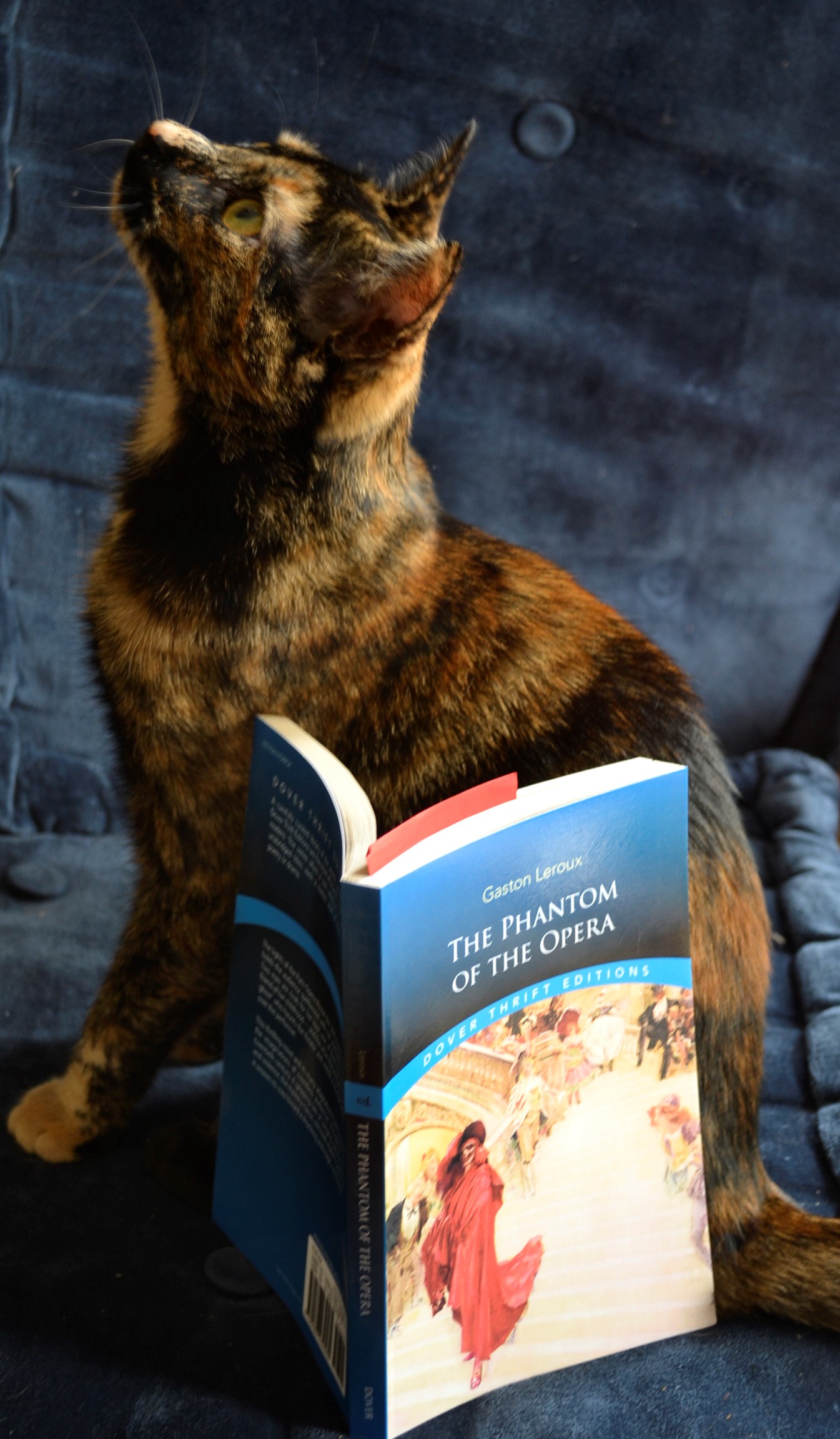
The real shining piece of this book is the ghost and the setting. The whole world of the opera house comes alive as the ghost wrecks havoc and extracts vengeance. This is a review of Gaston Leroux’s The Phantom of the Opera (Le Fantôme de l’Opéra).
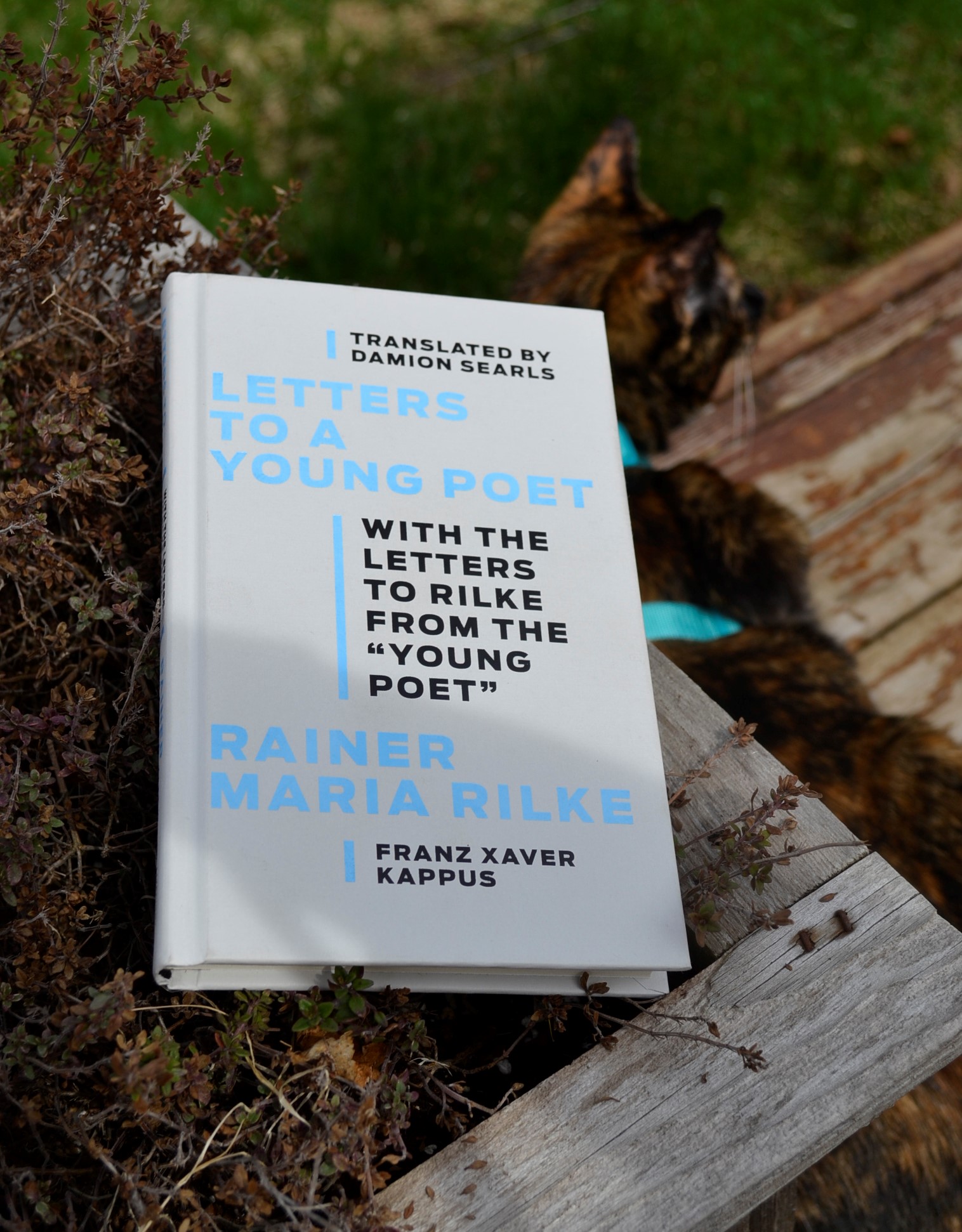
Reading correspondence is not quite the same as reading a novel, obviously, but it can be just as valuable when it comes to understanding a writer, their work, literature of the period, or the general customs of the time period. Writers writing about writing can be a very enlightening read. This is a review of Letters to a Young Poet.
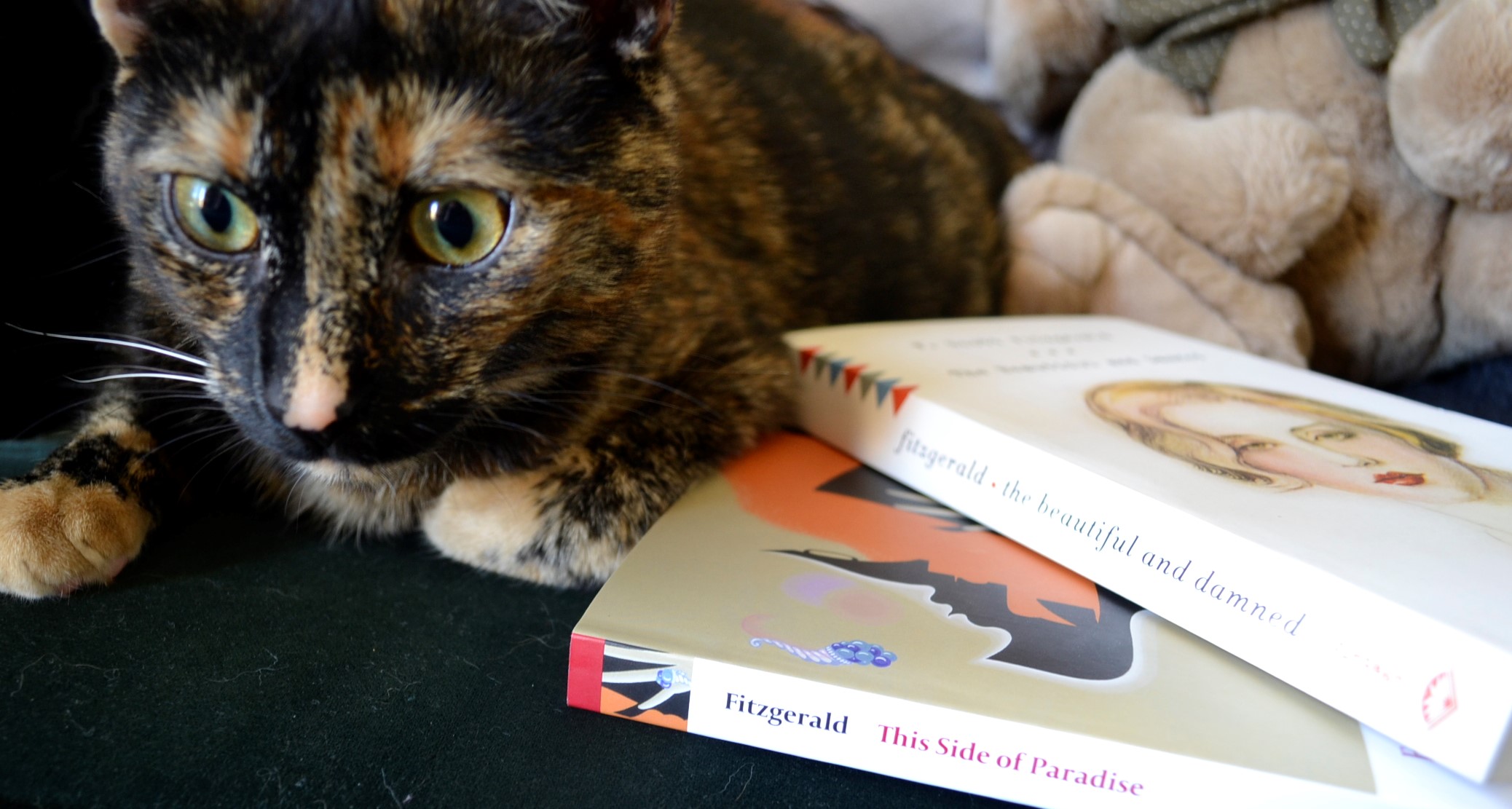
This week I’ve decided to write a double review since both books are by the same authors and both are at least semi-autobiographical. This is a review of two books about the Fitzgeralds: This Side of Paradise and The Beautiful and Damned.
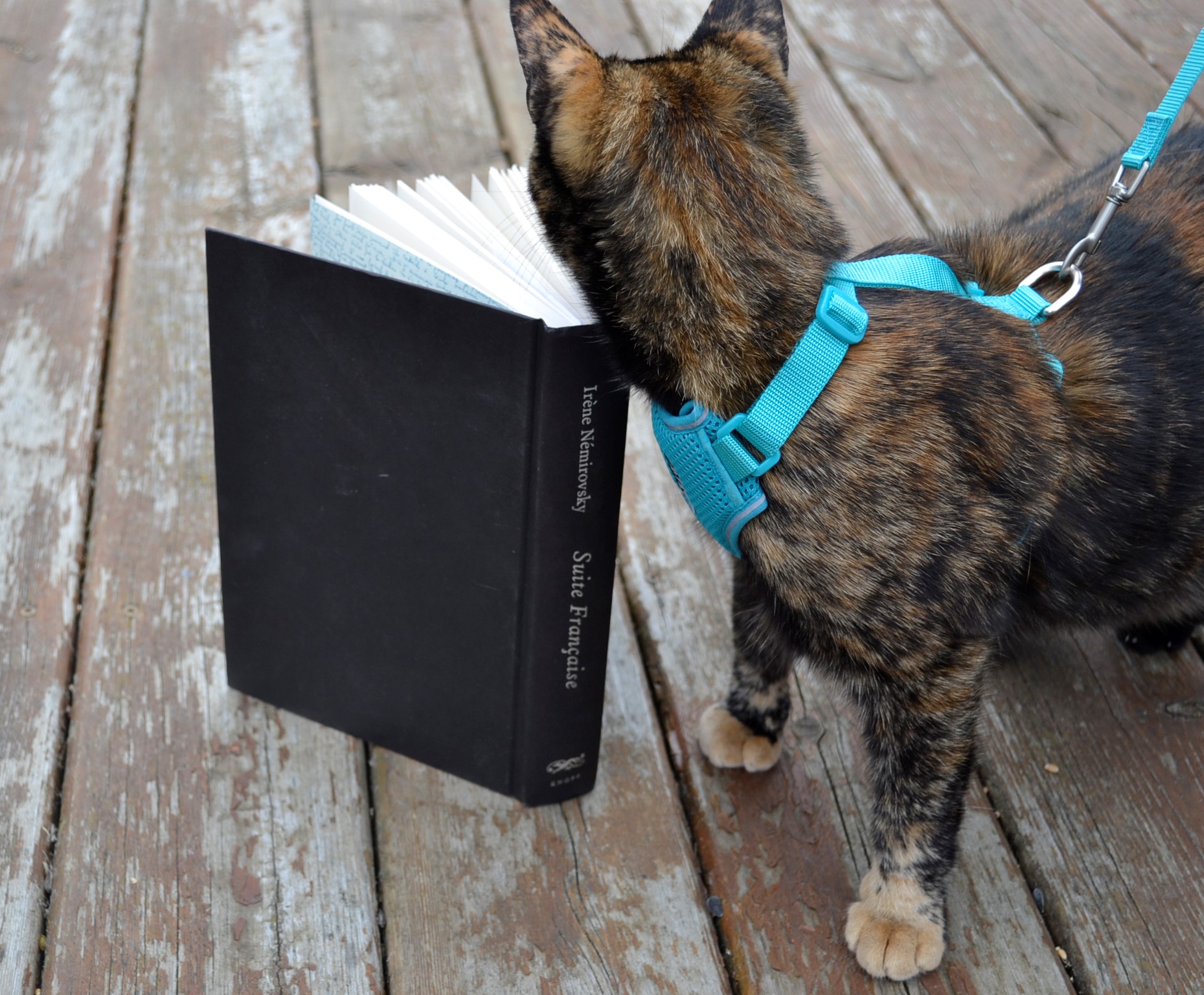
These two novels were written in 1942, before their author was arrested by the Nazis and sent to Auschwitz where she died of typhoid. The novels and notes were kept in a suitcase and taken by her daughter when she fled from the Nazis during the war. After that, the suitcase remained unopened until 1998. This is a review of Irène Némirovsky’s Suite Française.
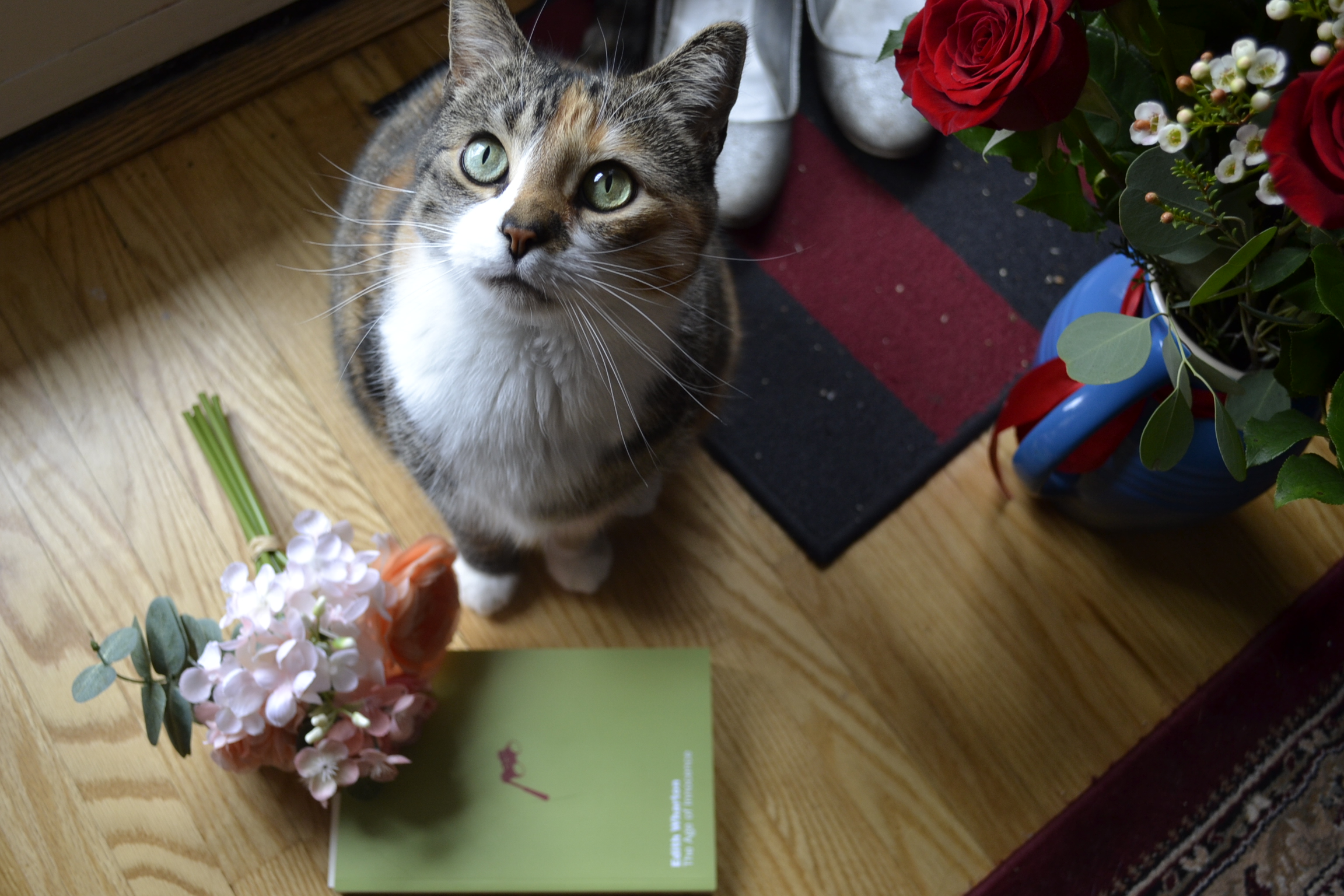
There’s been a lot of analysis on the character of Madame Olenska, but in my opinion it’s in the writing of a character like May Welland that truly shows how masterful writing. This is a review of Edith Wharton’s The Age of Innocence.
When Greenwood is asked to list her symptoms, she keeps repeating that she can’t read and she can’t sleep. She is studying English for her post-secondary education, and reading as well as words define her life. When she can no longer read, what’s left of her world falls apart, and it drives her to attempt suicide. This is a review of Sylvia Plath’s The Bell Jar.
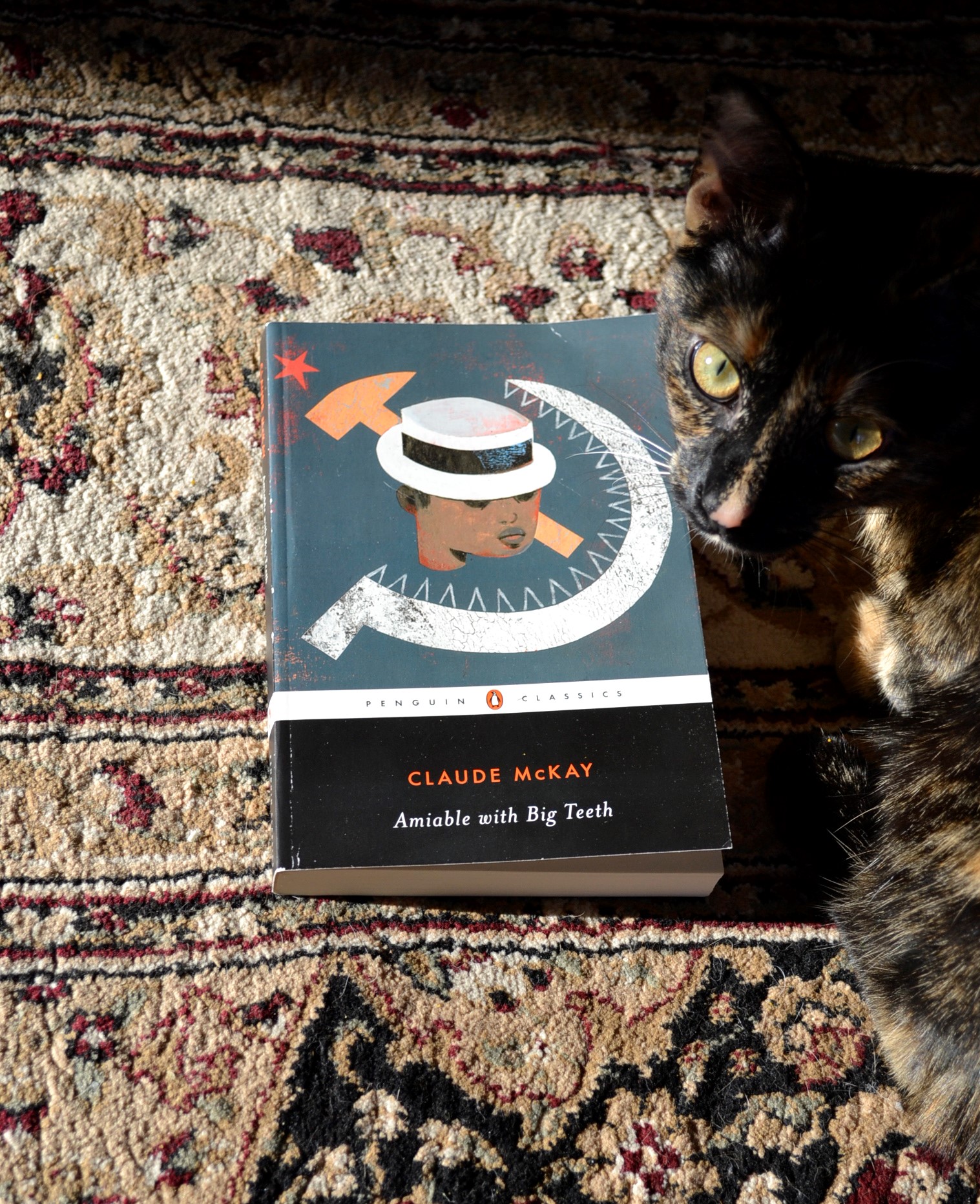
Where you live is such an integral part of your everyday existence, and this is a novel about Harlem in the Depression Era — covering social politics, racial politics, as well as the complex interplay of social clubs and both religious and charitable organizations. This is a review of Claude McKay’s Amiable with Big Teeth.
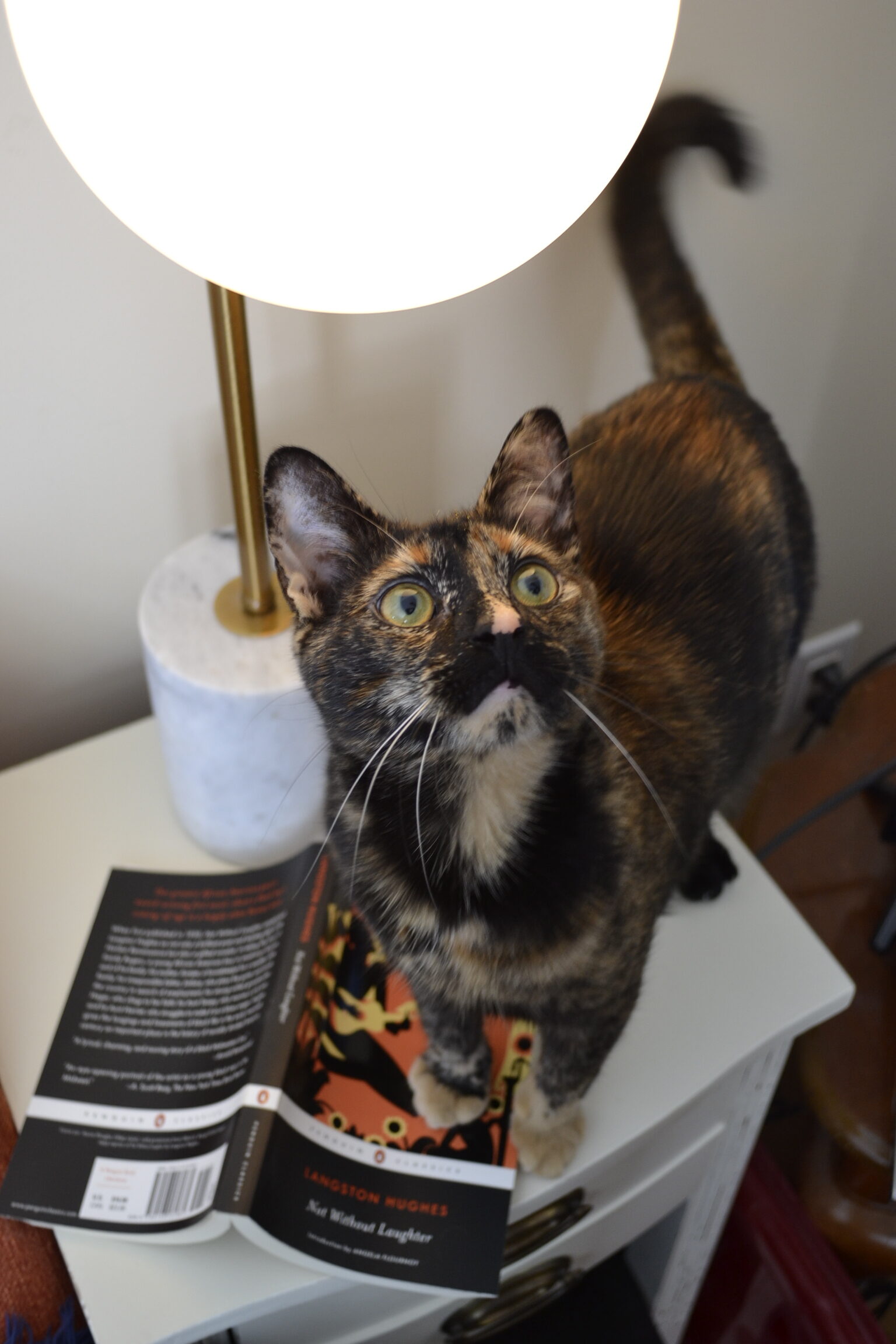
This is narrative about trying to find a place of belonging in the midst of a society that is alienating and cruel and has festered hatred not just between races but amongst families, dividing individuals from each other and parts of themselves. This is a review of Langston Hughes’ Not Without Laughter.
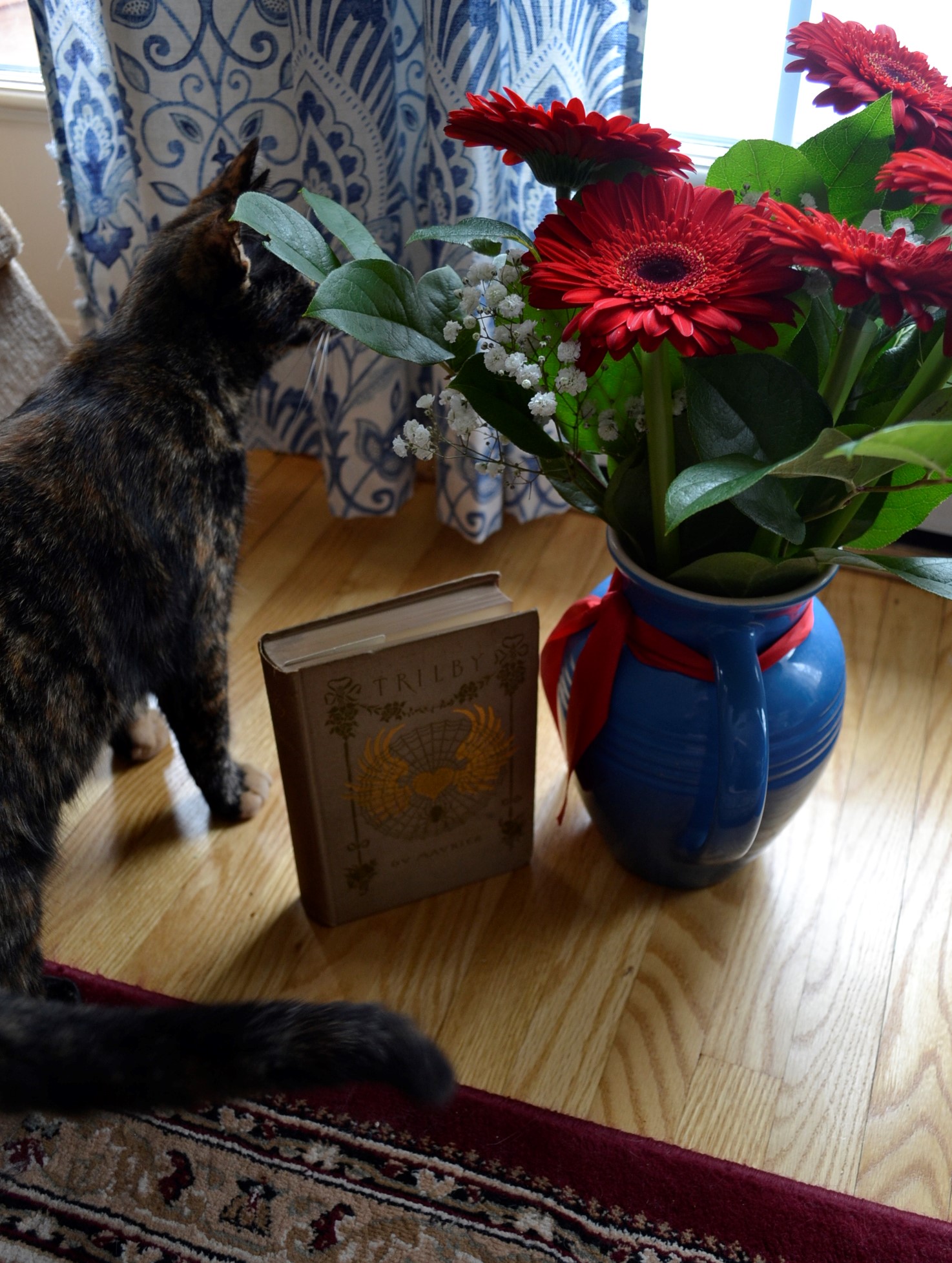
This book is one of the prettiest ones that I have come across in recent time in terms of book design and binding. However, it is definitely a work that should be limited to those that have a knowledge of the time in which it was produced or are studying this specific era of literature or history. This is a review of George du Maurier’s Trilby.