Rusalka

Rusalka is a tortoiseshell cat, with beautifully brindled fur and a silly Groucho-Marx moustache. She’s bossy, chatty, and very, very lovey.

She was adopted at ten weeks old in September 2020 and is the youngest cat in our household. People warned us about ‘tortitude’ when we adopted her — and she does have attitude, but not nearly as much as we expected.

Rusalka hates to be picked up. Except when she wants onto your lap, then you have to pick her up. Any other time, and she will stick her legs and claws out and flail like you’re murdering her. She goes where she wants to go, and she might be a little bit spoiled.

But you are guaranteed to be Rusalka’s friend. This cat has always been friends with everyone. She is friends with the vet. After her shots, she will rub against the vet’s leg to remind them that they are still friends. She is friends with the service technicians who fix our furnace. And the plumber. And anyone who visits. And her sisters most of all. Rusalka even gets along with the famously anti-friends Jabberwocky.

She is very serious when she plays, whether that’s chasing a string or screaming before running after a felt bee thrown down the hallway. Her favourite toy is the bee on the string, but we don’t play that very often. When she catches the bee on the string, she bites down and growls and gets very, very serious about keeping what she has caught.

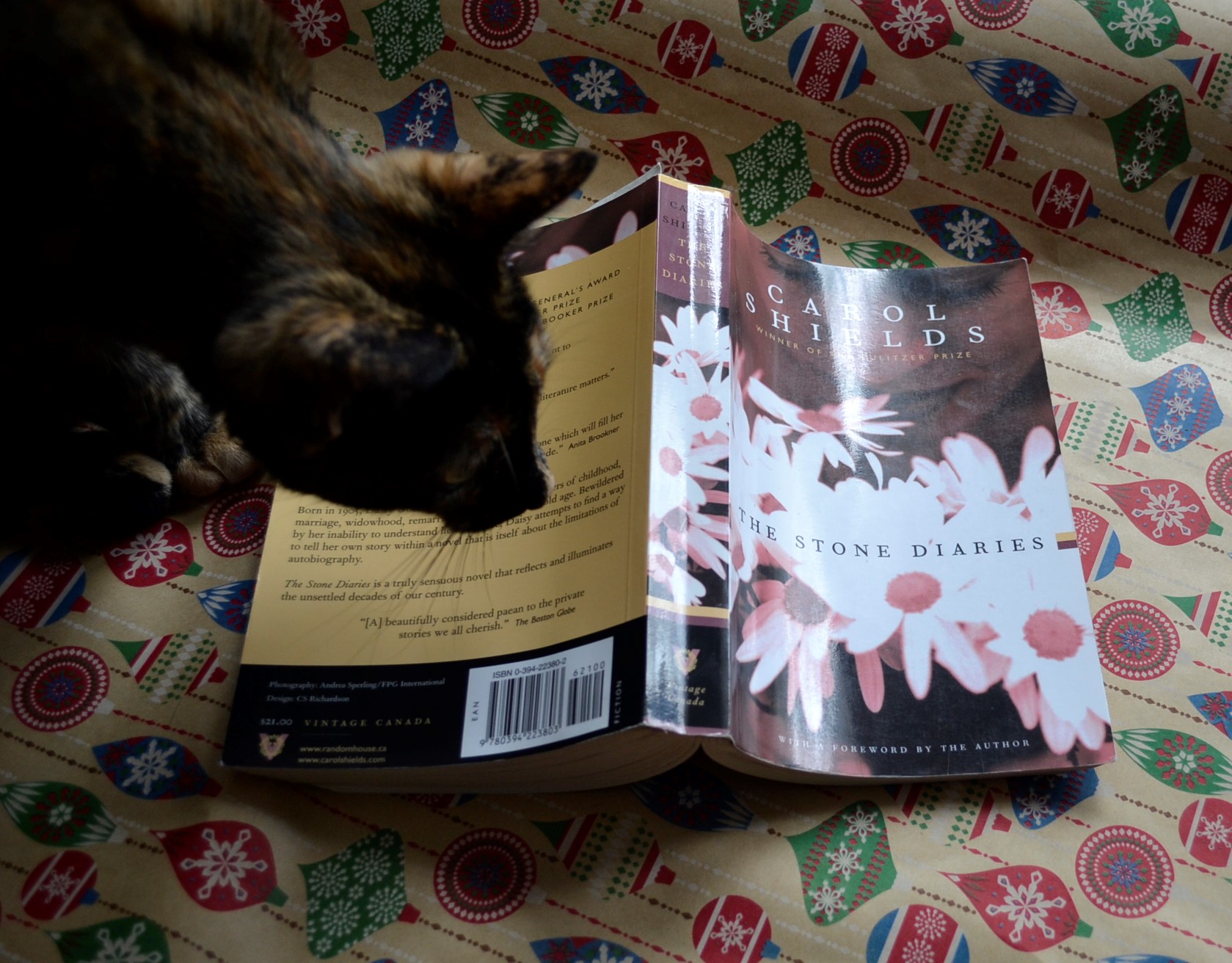
She’s the biggest, cuddliest Mama’s girl, and Hargrave rarely gets to lie down and read without Rusalka insisting on being put on her lap.


Mary Olivier


Interwar

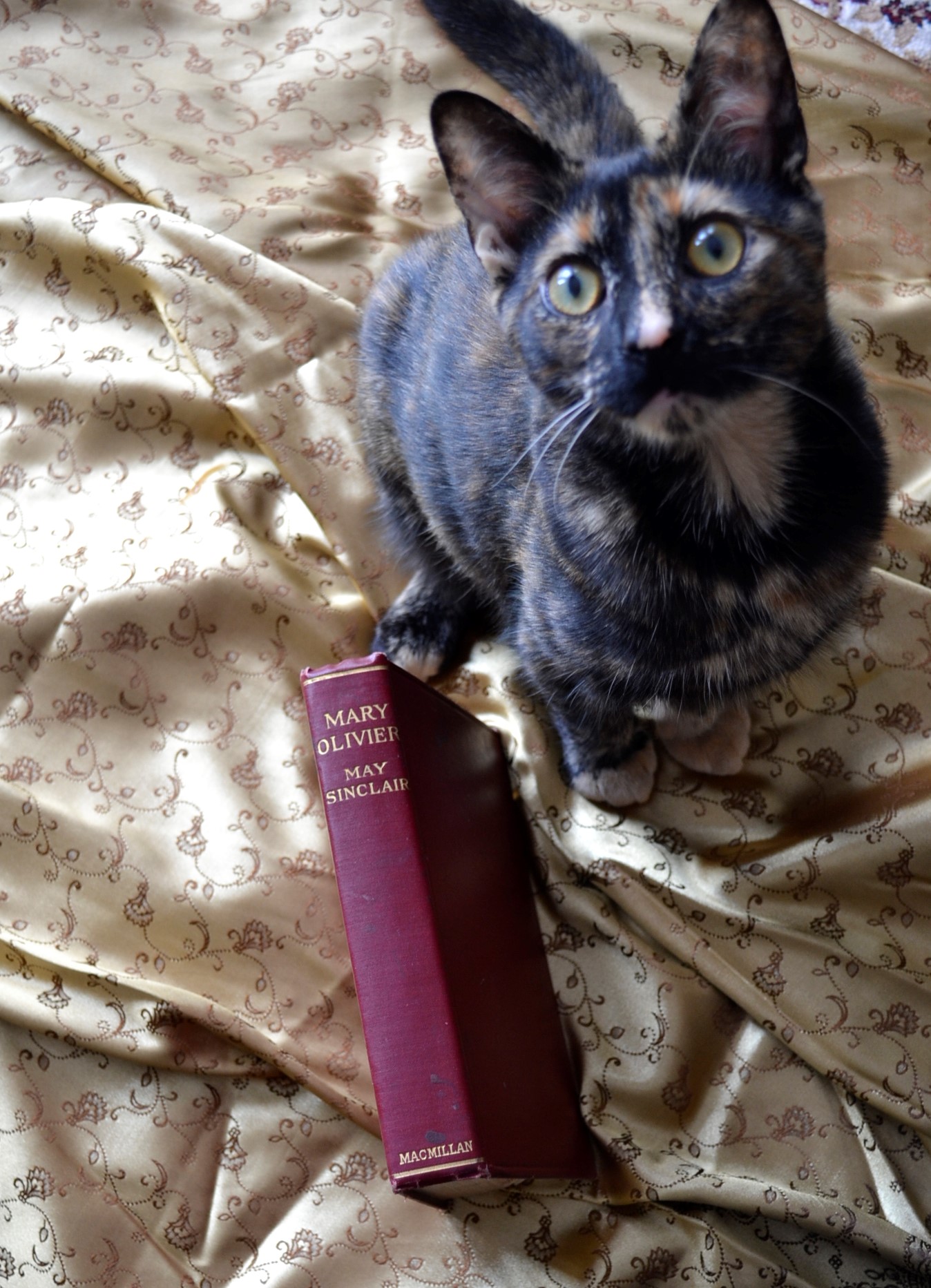
Sometimes when the New Year is young, it’s easy to look back on other times of transition. I know a lot of fiction describes a moment where suddenly one transitions from childhood to adulthood, but I think the reality is that childhood ends in a series of moments, realizations, and formative events. This is a review of May Sinclair’s Mary Olivier. The book is a 1919 first edition.

The Apprenticeship of Duddy Kravitz


Contemporary

The book is one about the ruthlessness and all-consuming nature of greed as well as the eventual consequences of leading a life driven by monetary gain. I won’t give away the ending, but I’ll warn you that it’s nothing like Ebenezer Scrooge’s and there are no warm fuzzies involved. This is a review of Mordecai Richler’s The Apprenticeship of Duddy Kravitz.


Pamela; or Virtue Rewarded, Shamela, and Joseph Andrews

,
18th Century

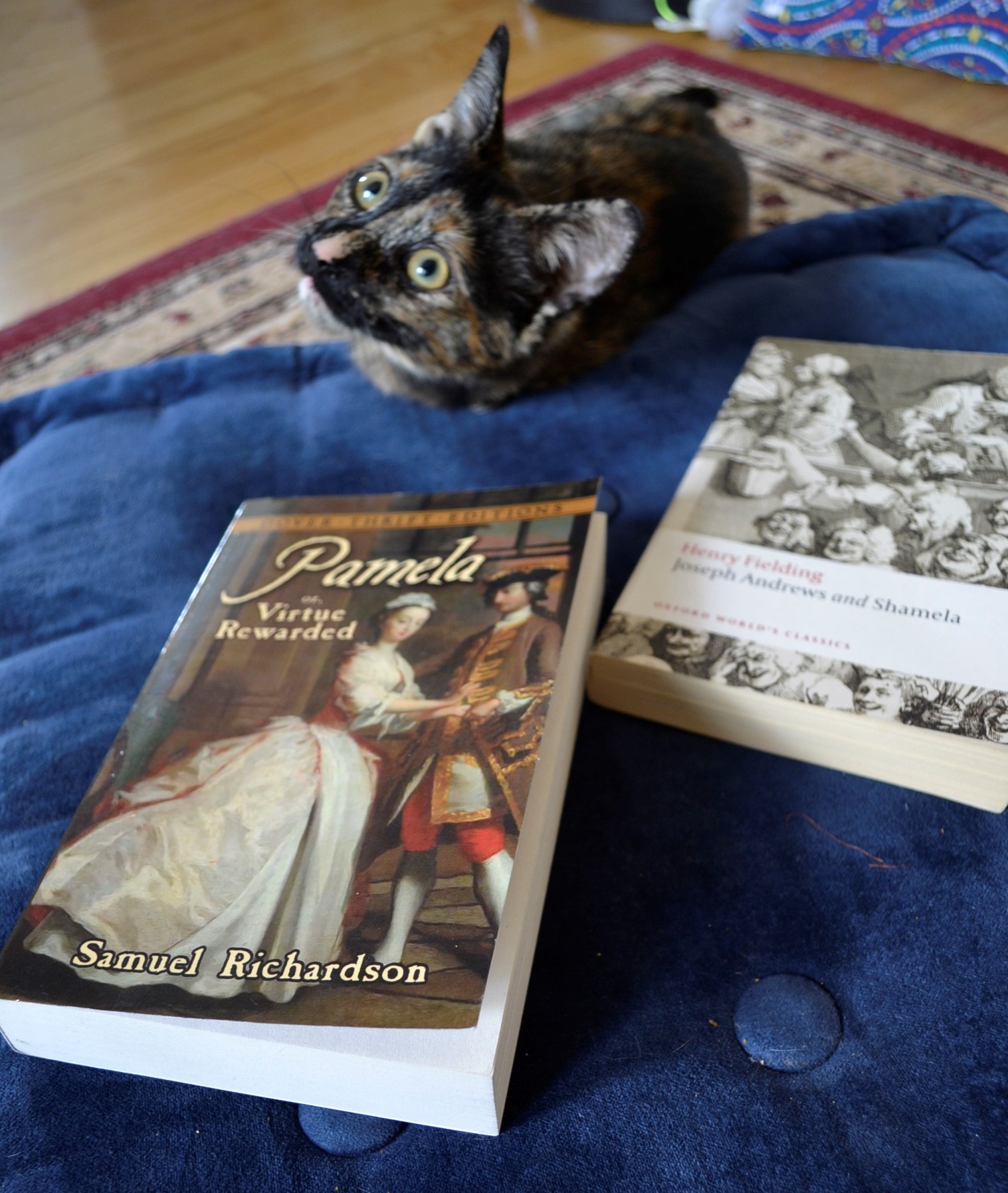
This November, I want to celebrate that with a month dedicated to essential romance novels from classic literature. Romance is not a genre I often read, but these books have made a profound impact on literature in general, and as such deserve their due consideration and analysis. This is a review of Samuel Richardson’s Pamela; or Virtue Rewarded and two books best read with it Shamela and Joseph Andrews, both by Henry Fielding.


The Life and Opinions of Tristram Shandy, Gentleman


18th Century -

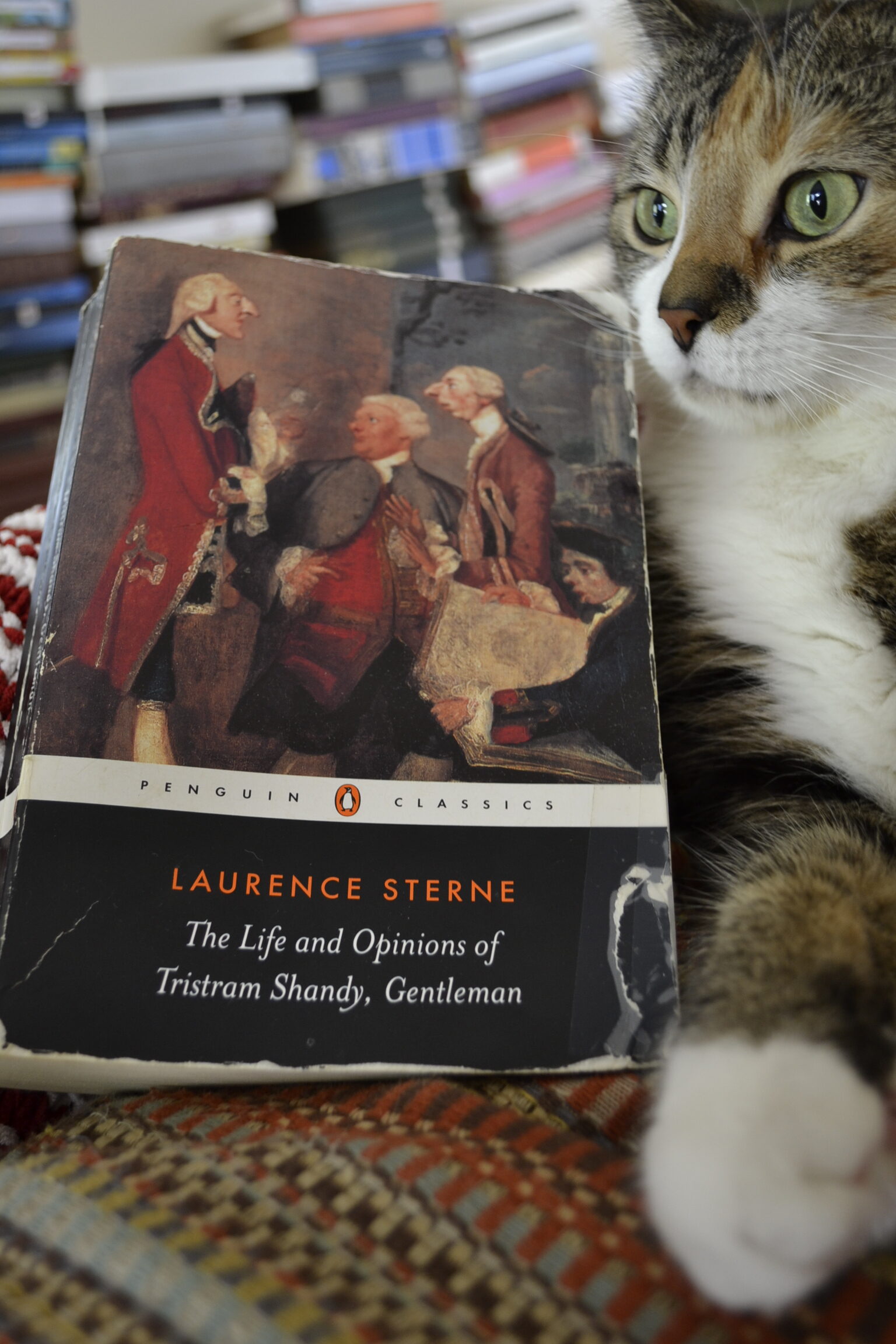
The little details and techniques matter, and can be the difference between a good book and an unforgettable one. This book changed the way I saw font, style, technique, and it showed me the power of humour to be as immortal as literature itself. This is a review of Laurence Sterne’s Tristram Shandy.