The Orange Eats Creeps
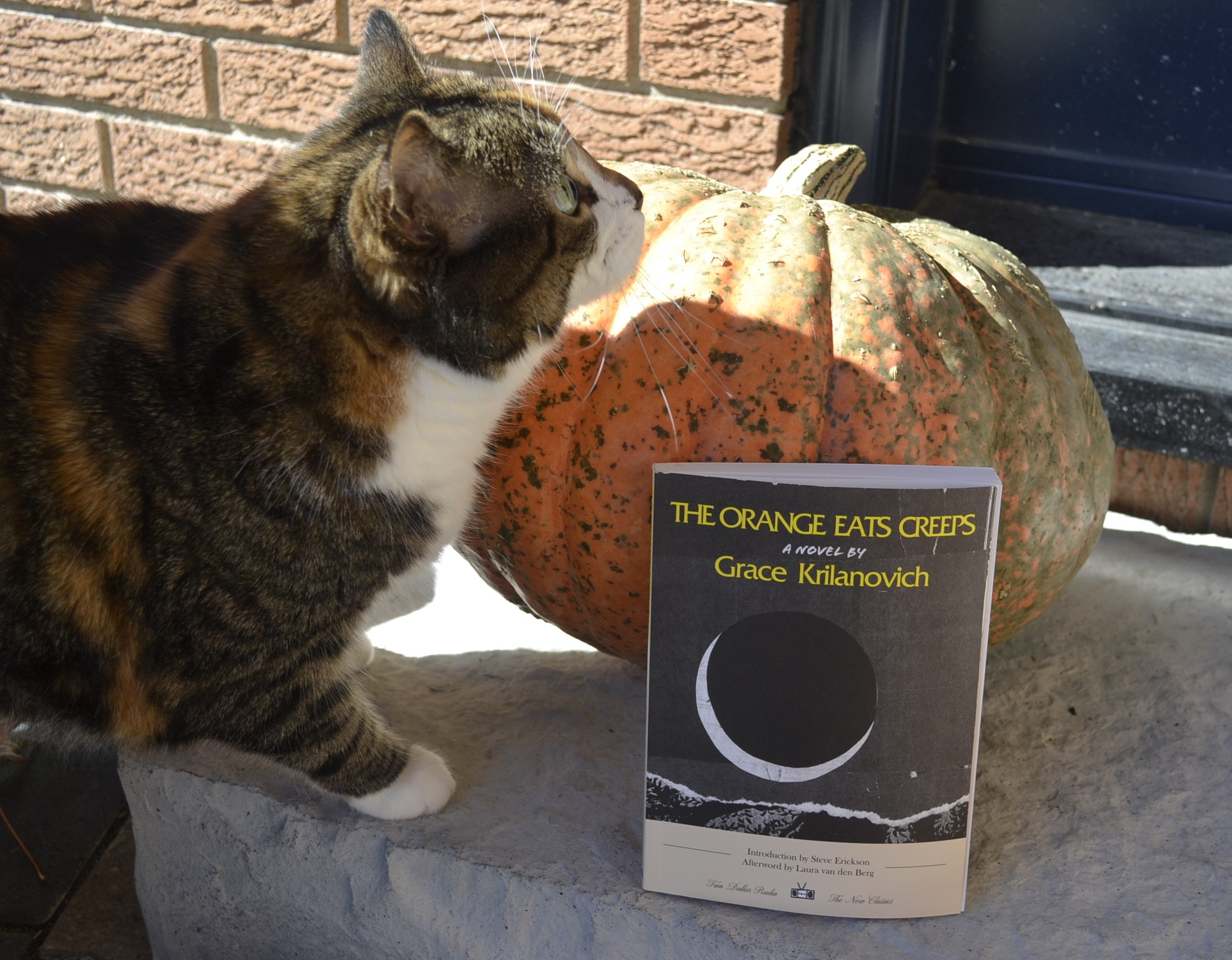
The Orange Eats Creeps is that magnificent kind of spooky book that takes an archetypal story and monster and turns it on its head to make something new and even scarier
Antiquarian and Classic Book Reviews
Hargrave reads voraciously and diversely — mostly antiquarian and classic books in translation. These are her book reviews.
While she reads more books than she could possibly write about, she does consistently post weekly reviews. New reviews are posted on Mondays.
Looking for one of the books that have been reviewed? Want to find some vintage treasures of your own? Second-hand and used books are unique and eco-friendly, and can be found at your local independent bookseller. If you’re looking for an American bookseller, you can check here. UK booksellers can be found here.
If you’d prefer to buy books online, many vintage and rare editions can be found at ThriftBooks.
Follow Old Paper & Cats on your RSS Feed or Instagram!
The Orange Eats Creeps is that magnificent kind of spooky book that takes an archetypal story and monster and turns it on its head to make something new and even scarier
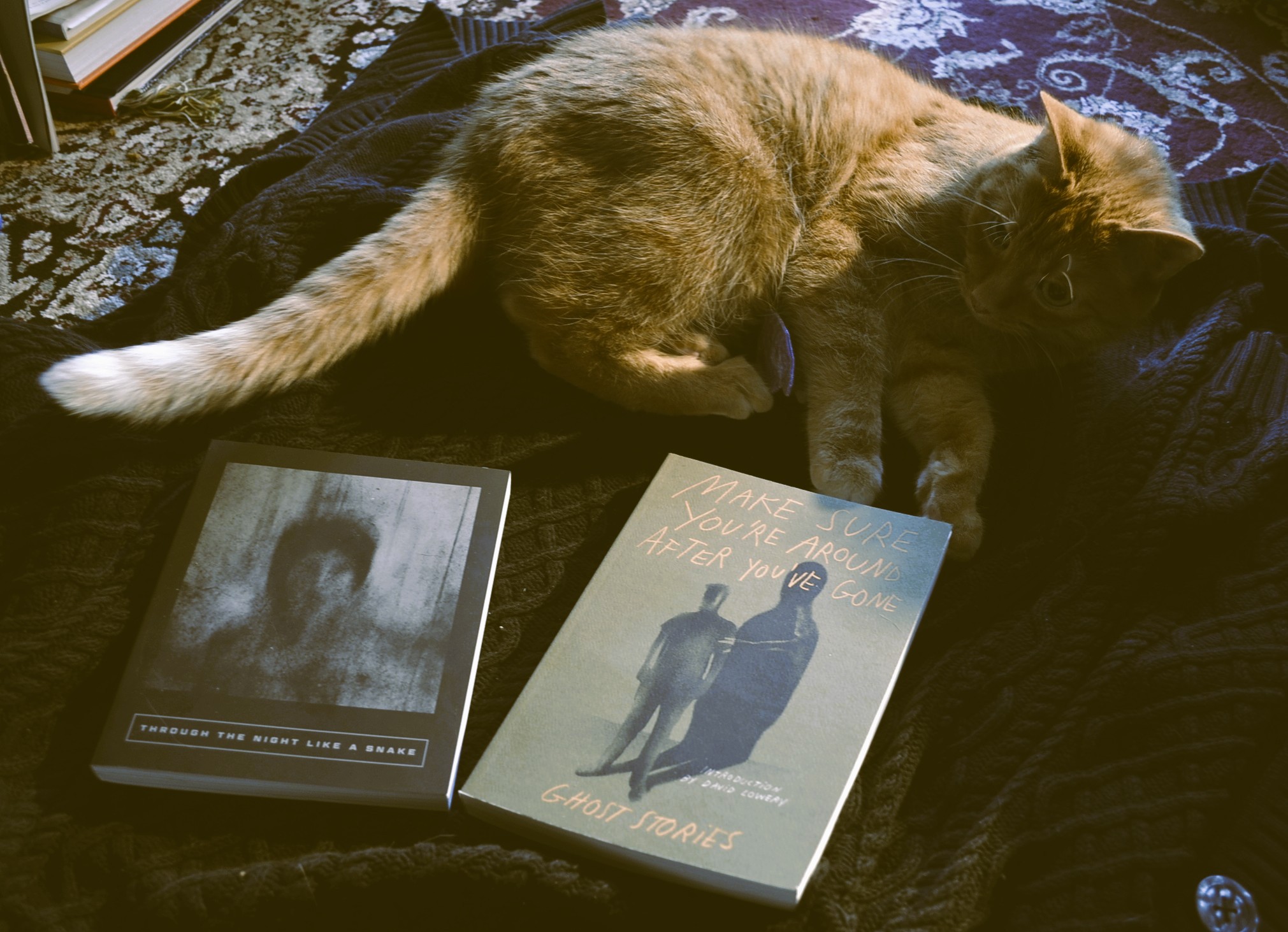
It’s a double feature! Make Sure You’re Around After You’ve Gone, which is a collection of ghost stories, and Through the Night Like a Snake, which is a collection of horror stories specifically from Latin America.
Is there anything more Halloween than a good gothic narrative? Well, maybe, but gothic is definitely a staple at our house.
Spooky Season is Here at Last October is finally here and I have a whole bunch of spooky books saved up just for the occasion. I’m excited to start bringing out the holiday content and diving into it. However, this year with the amount of things we have packed into the month, I can admit […]
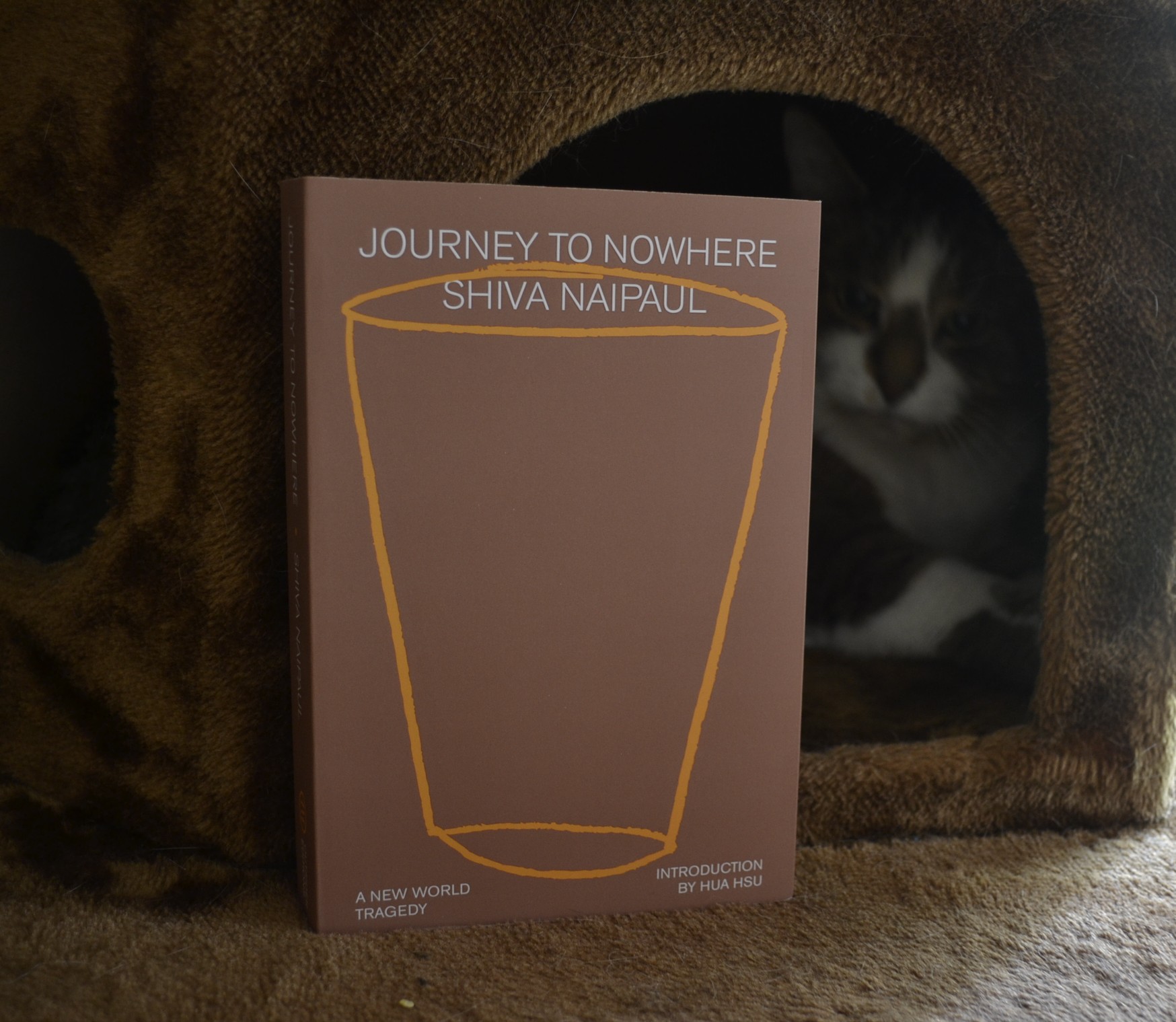
It gives life to this rather harrowing story of random and brutal violence, bringing humanity to what often just becomes statistics of cruelty.
The first part of the book examines Jonestown itself as it sat in the political climate of Guyana, including shifts in political power and colonial history as well as the poverty present there.
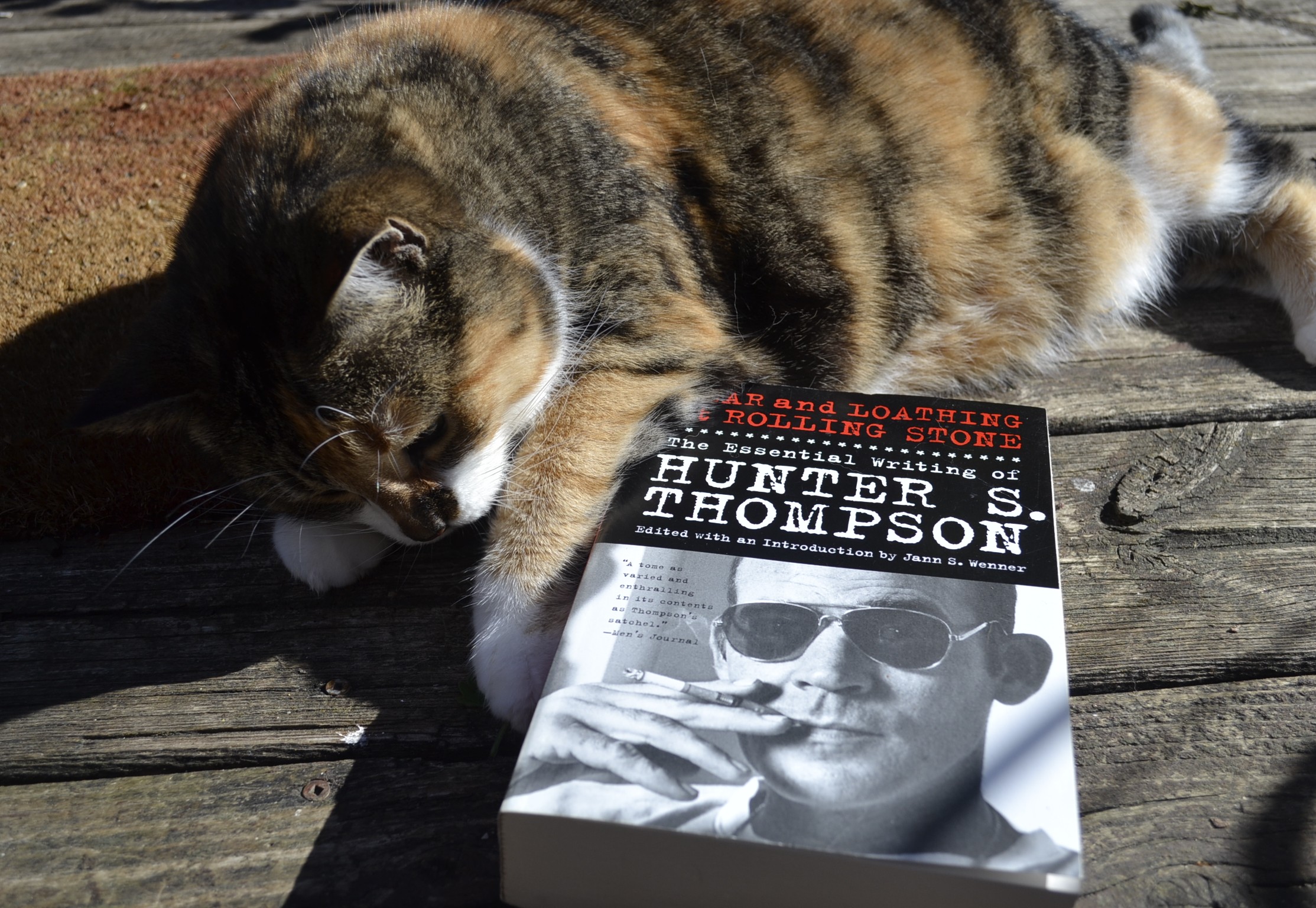
When you start reading this very thick book it becomes rapidly clear that Rolling Stone threw Thompson at anything and everything in the hopes that his style would turn whatever reportage he gave them into an instant hit.
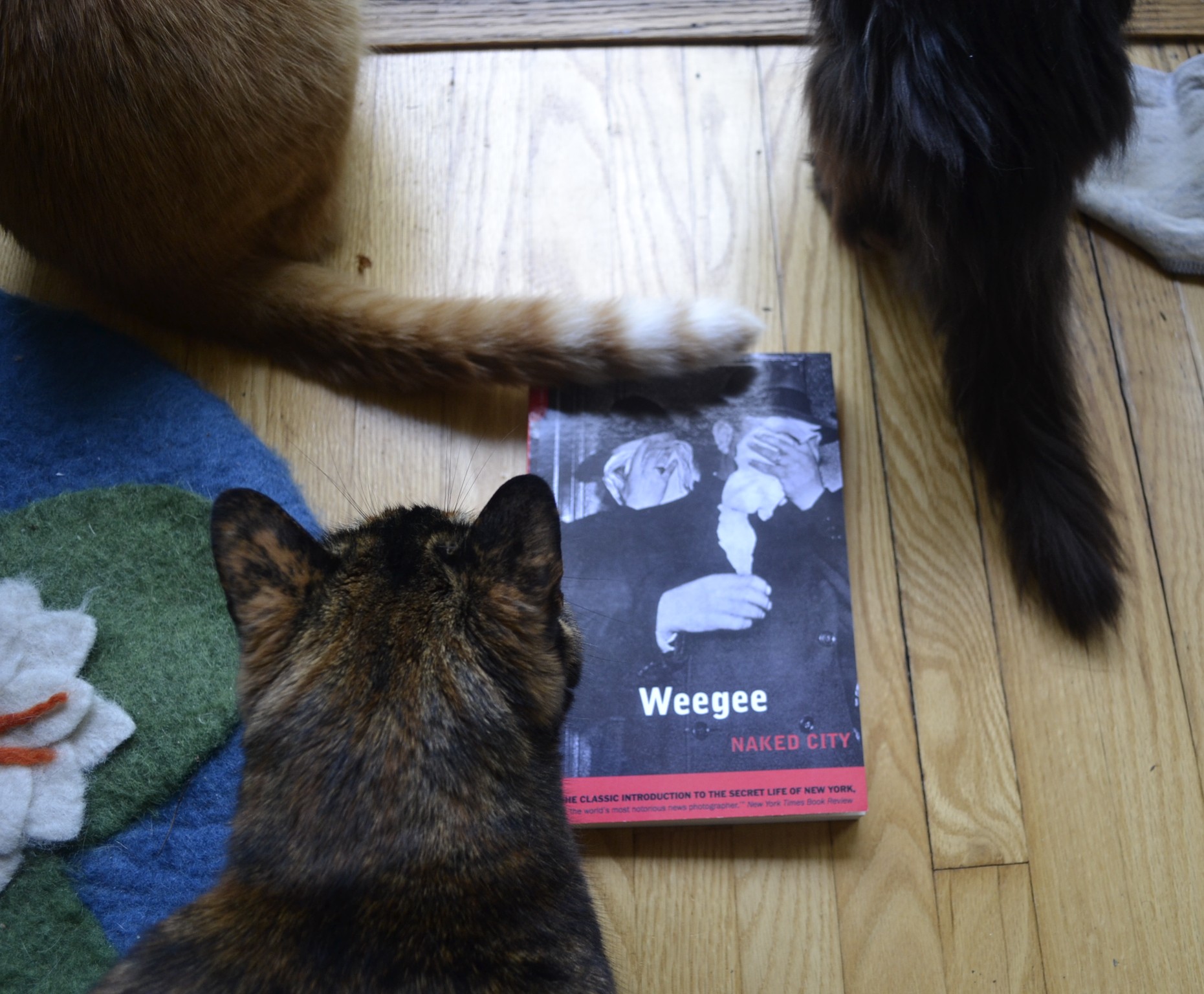
I think I love Weegee because he is a chronicler of daily life in days gone by. He doesn’t shy away from the ugly parts, but he doesn’t deny the beauty of the ordinary moments that we all take for granted.
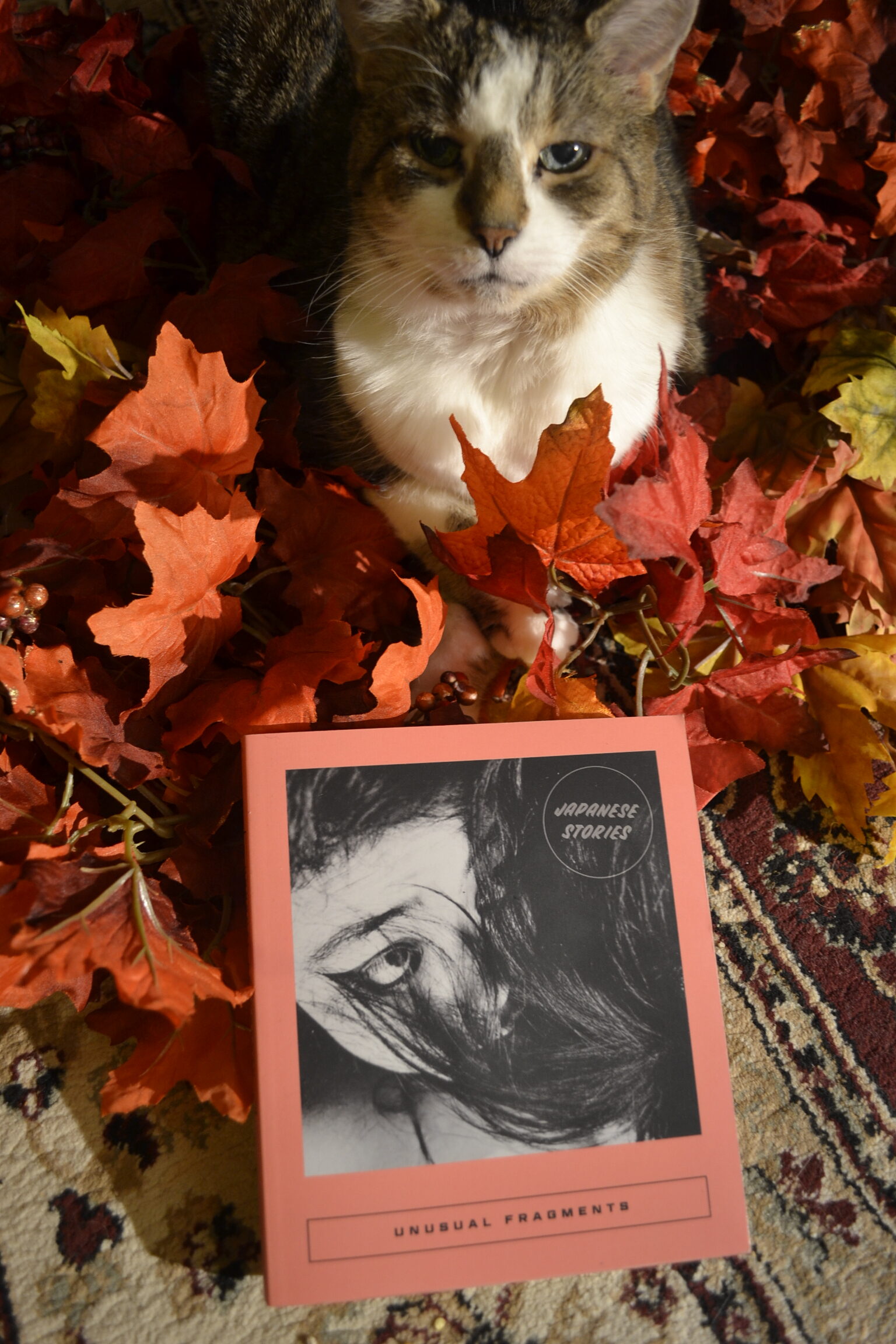
I’m including Unusual Fragments as a spooky selection because all of these stories share some aspect of the unusual and arguably supernatural — or at least just plain eerily weird.
I love a haunted house story, and though this isn’t a novel about actual ghosts (for the most part), it is a story about how human lives haunt the places they played out in.