Waiting for Godot
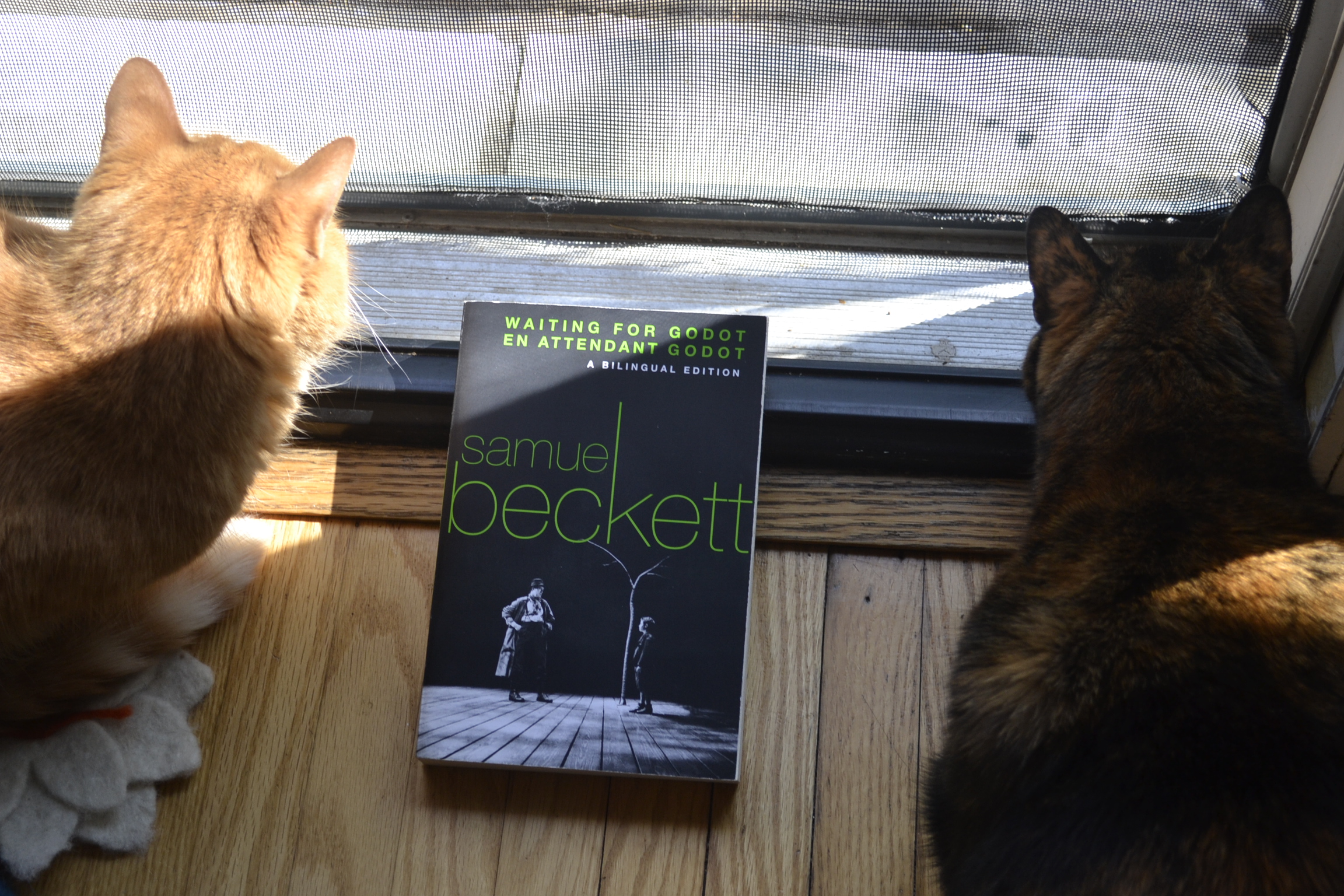
I was excited to see a performance offered in our local festival this year. The performance did not disappoint, so I decided to review the play here.
Antiquarian and Classic Book Reviews
Plays, dramas, and theatrical works. Both intended to be performed and not intended for stage.
Theatre is a genre.
You can view all genres, or you can search by language/region, editor/translator, era/movement, book authors, or year of edition.
I was excited to see a performance offered in our local festival this year. The performance did not disappoint, so I decided to review the play here.
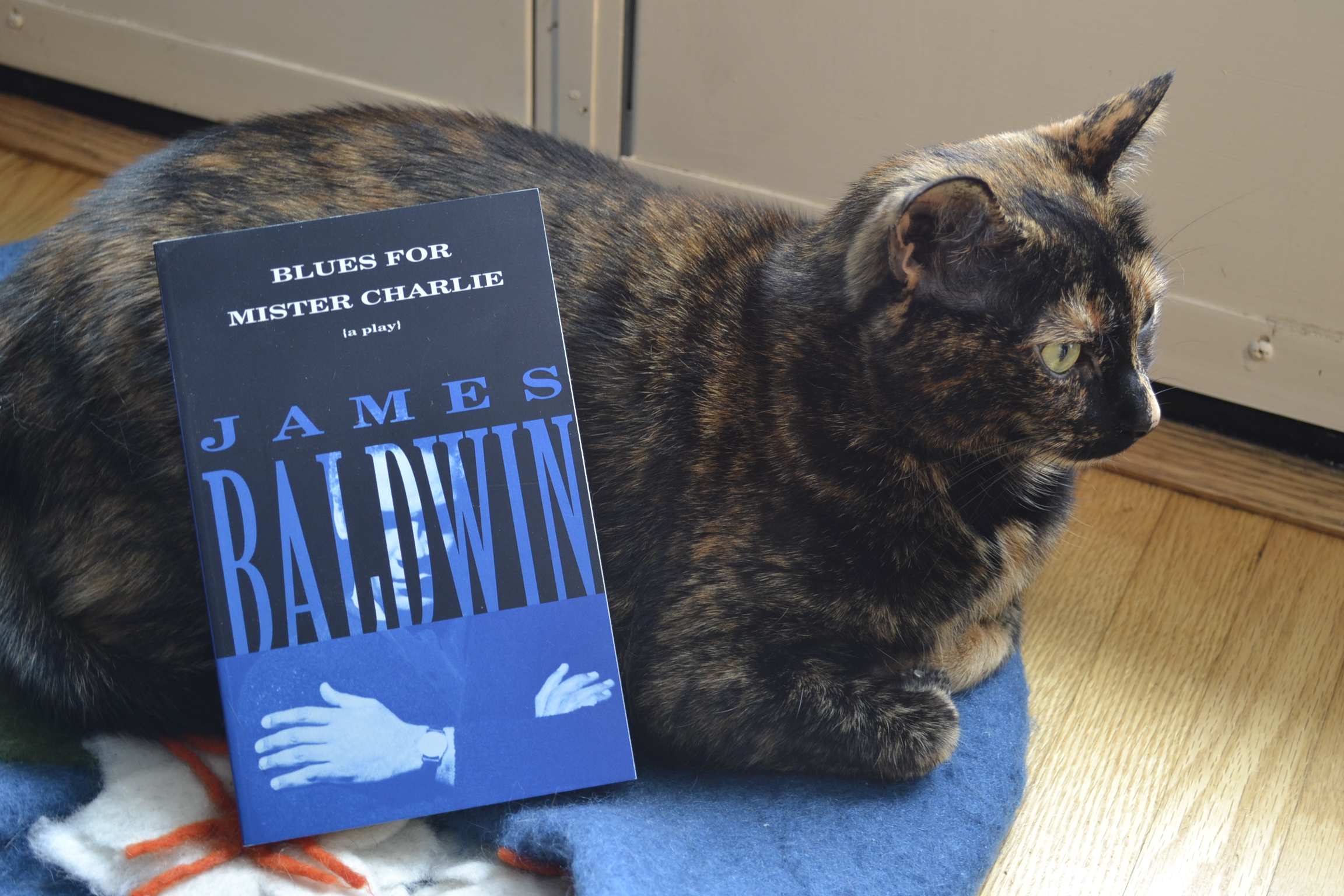
‘Blues for Mister Charlie’ is a drama in three acts that is loosely based on the Emmet Till case — a notorious lynching that happened in Mississippi in the lead up to the Civil Rights Movement.
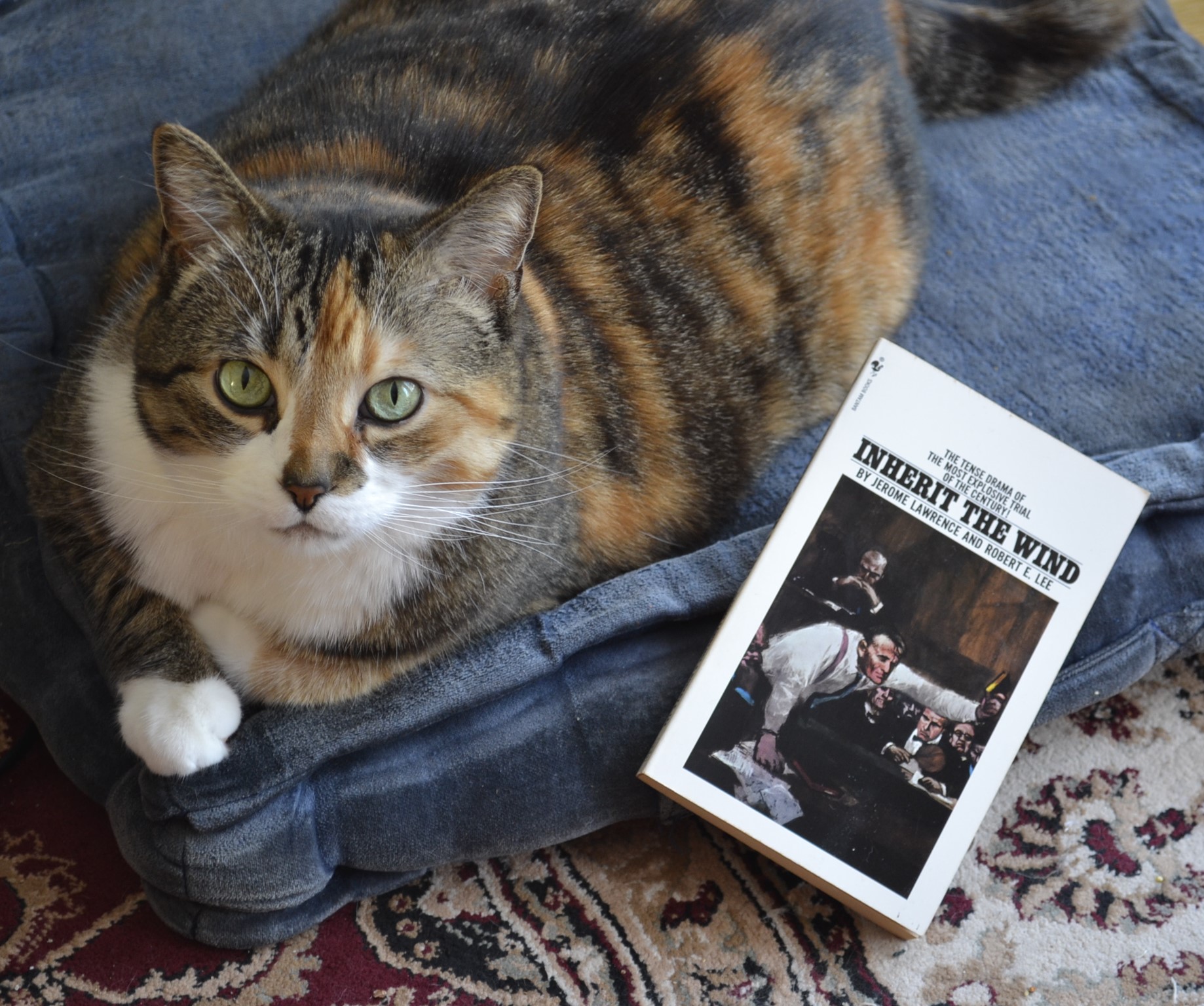
Lawrence and Lee make a powerful statement about what it means to stand up for what is right in the face of an overpowering multitude fixed on carrying on in the wrong.
A New Tradition Maybe? This year the holiday season proved strangely elusive, and then, when it finally felt like it arrived, it was fraught with problems. Wesker had a bad weigh in. First, my lovely spouse was sick, then I fell ill and am still not well two weeks later. There were so many blizzards. […]
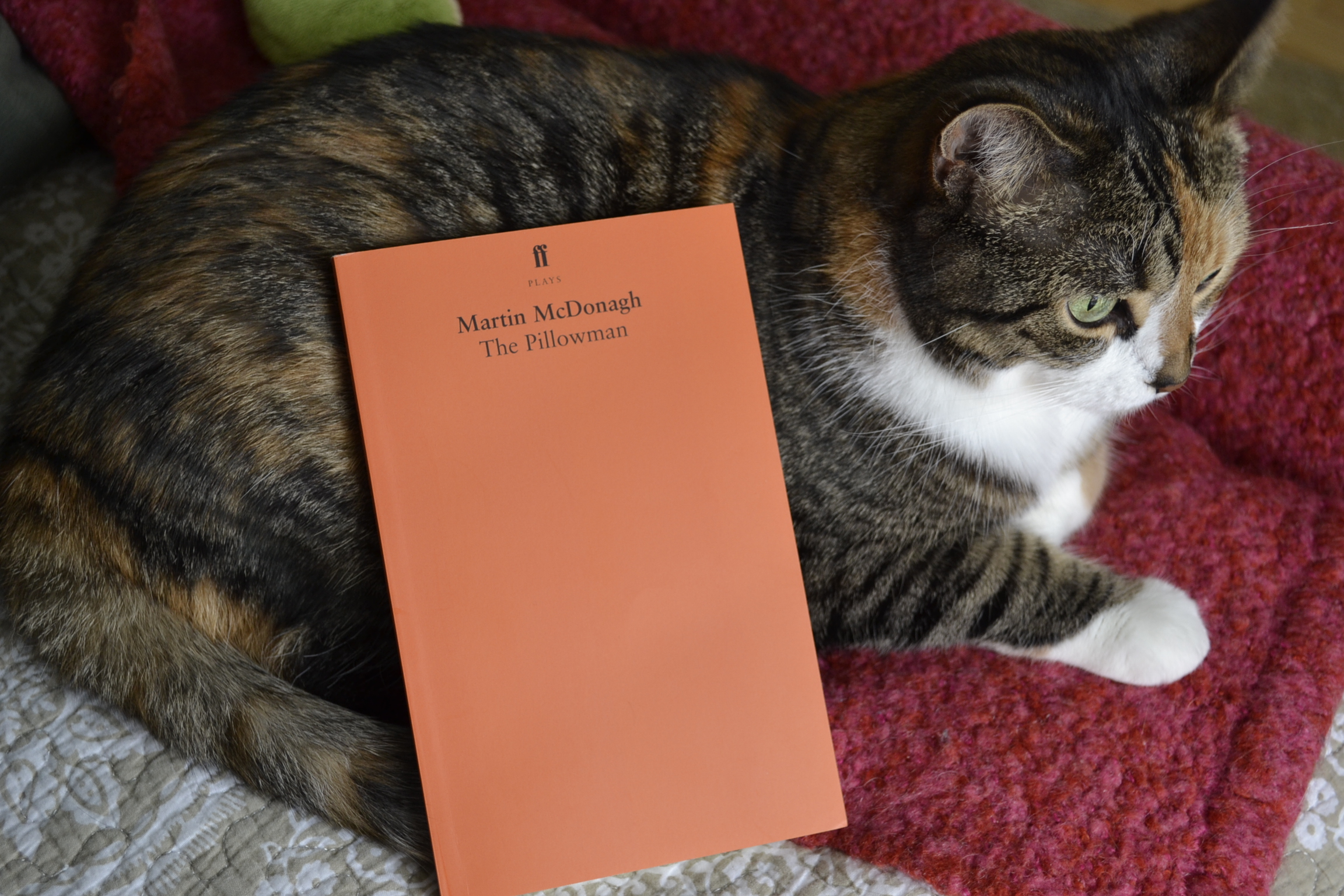
This drama is a great example of the power of monologue. If you come from a place of studying prose literature, your urge is to cringe when you turn the page in the play and come across a big block of text. But, actually, a monologue is a blessing rather than a curse.
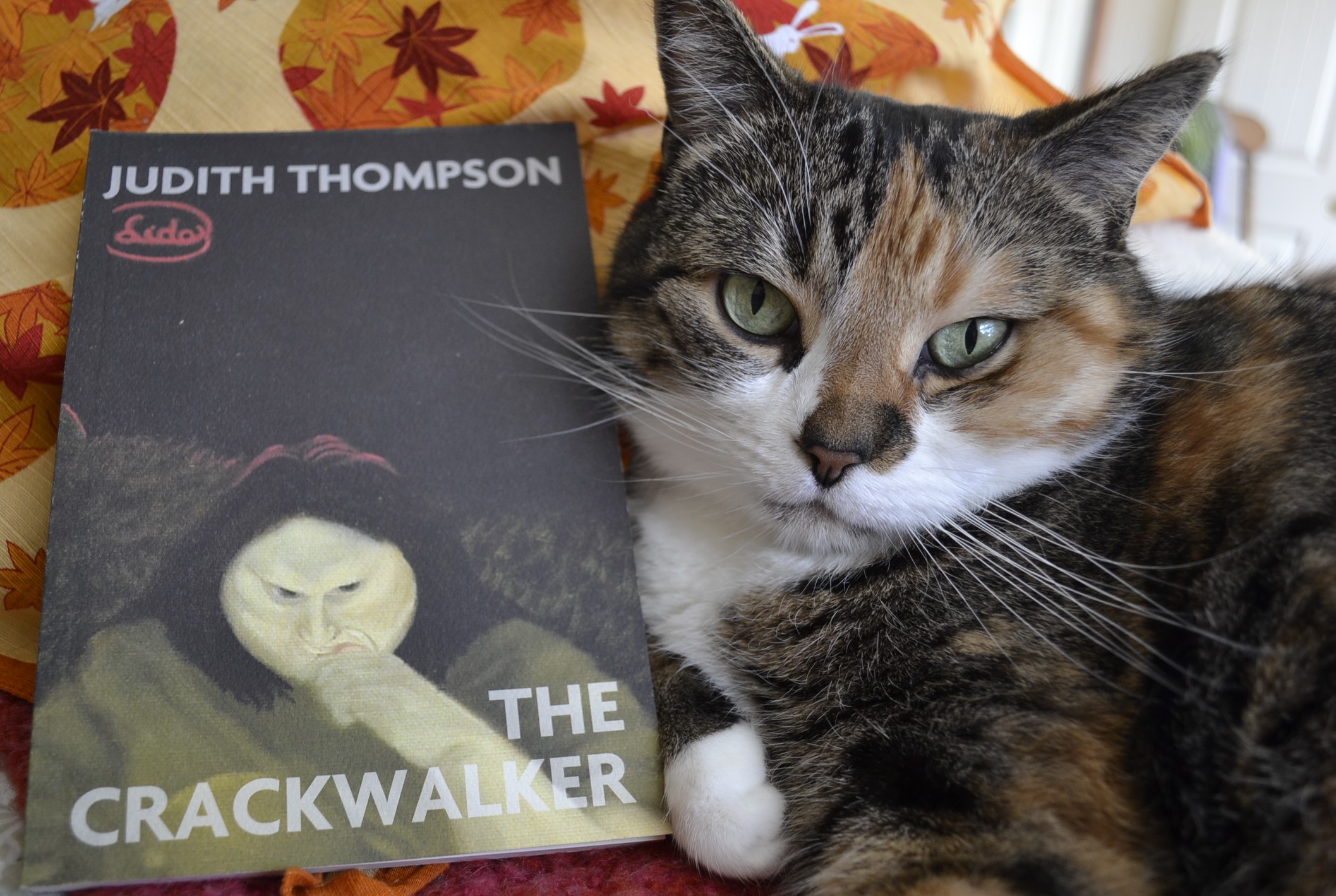
The action centres around a writer named Katurian who is living in a totalitarian state. He has been brought in for questioning (and torturing) by police who are investigating a series of child murders based on Katurian’s stories.
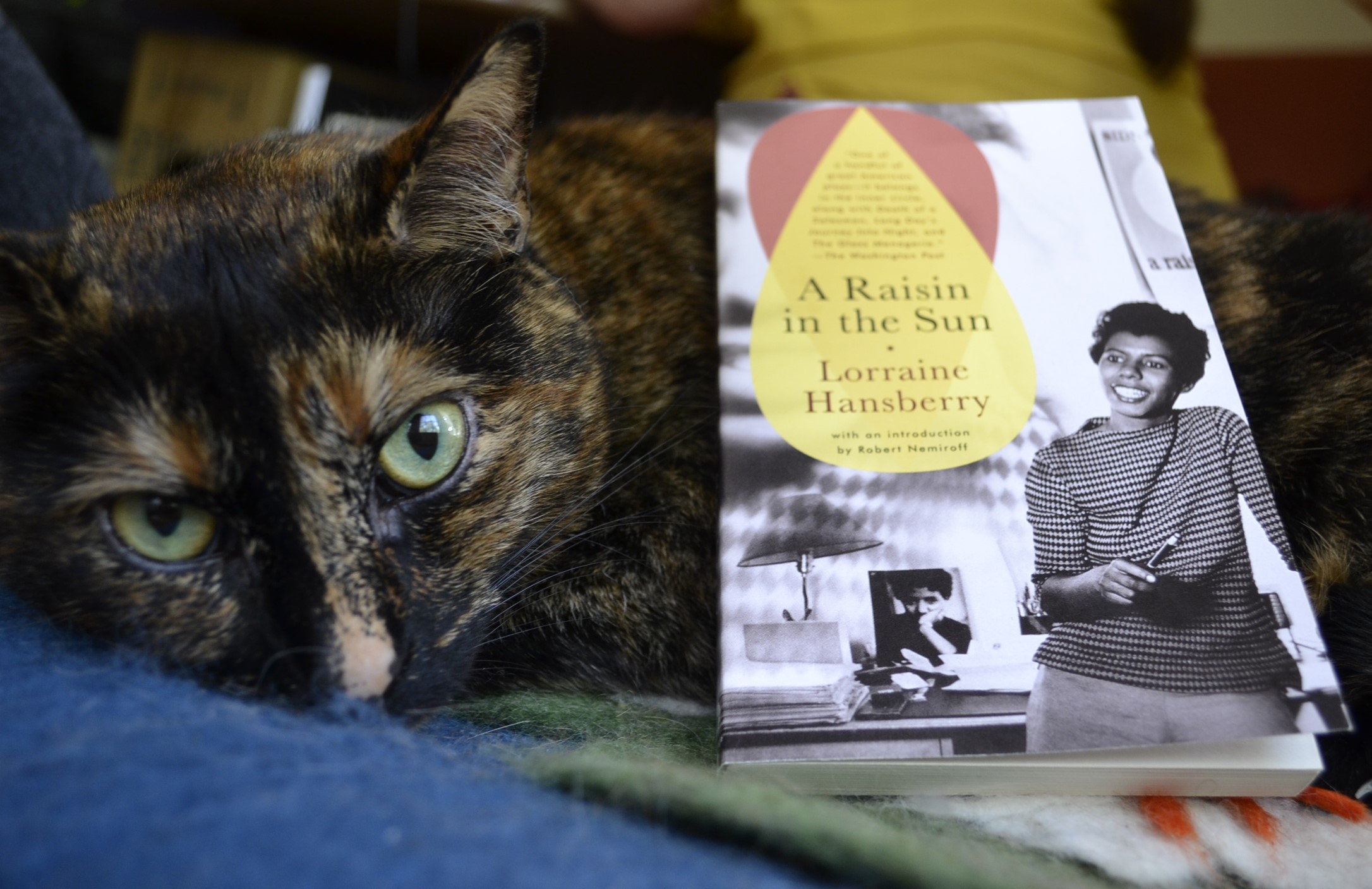
Lorraine Hansberry’s A Raisin in the Sun is a classic and compelling play centering around one poor Black family struggling to get ahead in 1950s Chicago.
What Kushner excels at is creating a sense of endings and of a grief that hangs above each of the characters as they accept illness, accept death, and accept that change is coming whether they want it to or not.
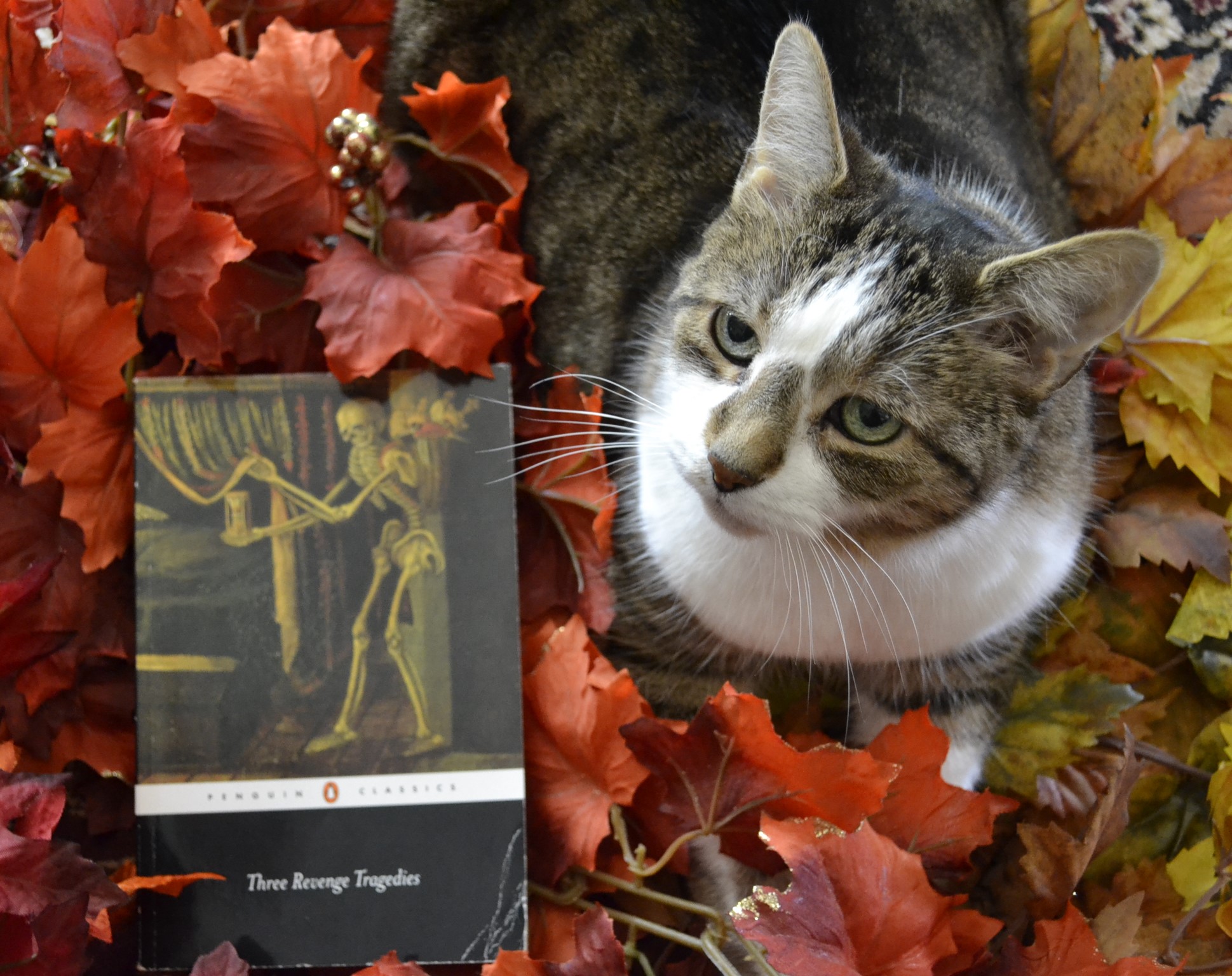
According to Google, a revenge tragedy is: A style of drama, popular in England during the late 16th and 17th centuries, in which the basic plot was a quest for vengeance and which typically featured scenes of carnage and mutilation.
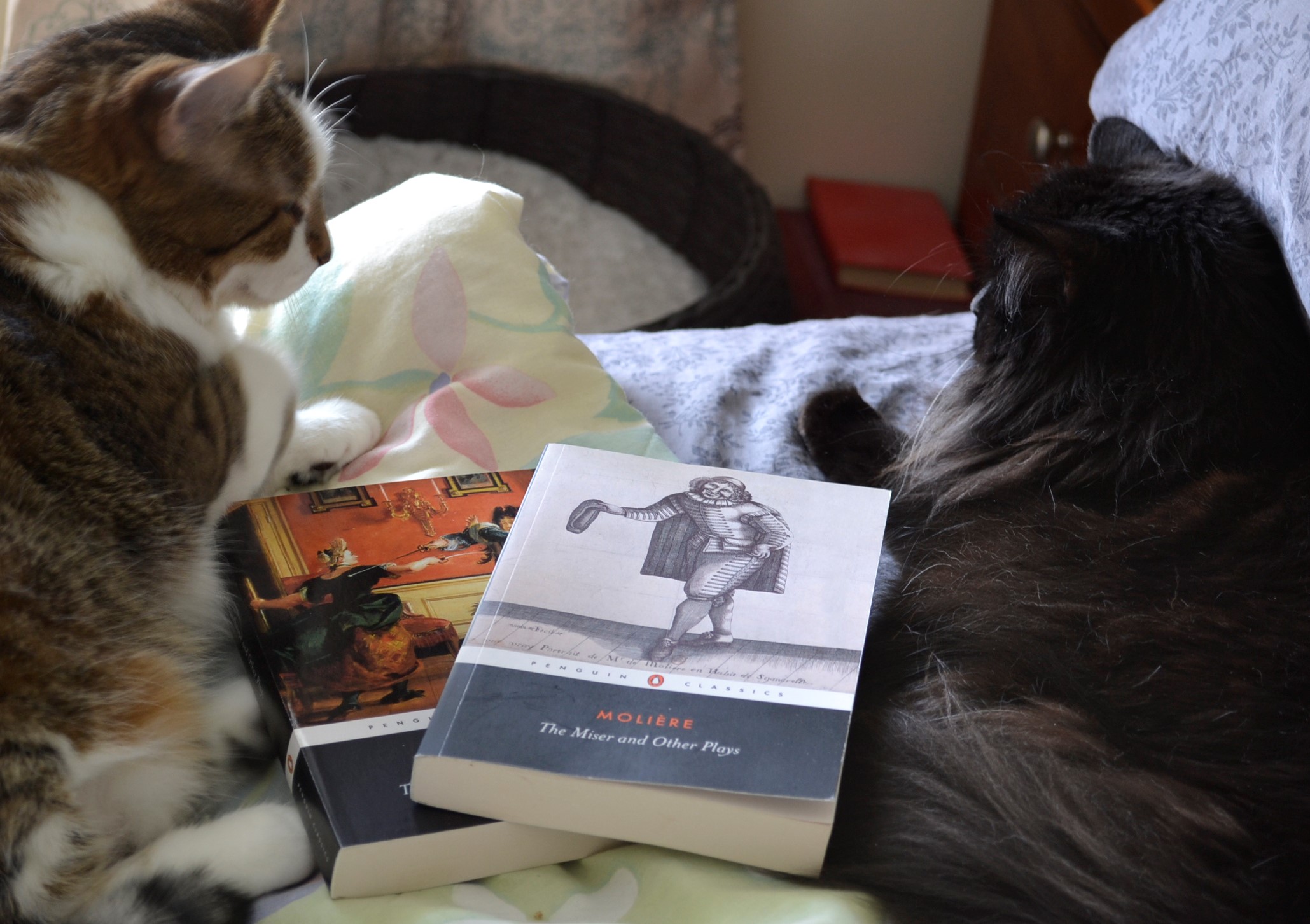
Molière was a seventeenth-century playwright and I have seen readers approach him with a comparable trepidation to which I’ve seen when high school students approach Shakespeare for the first time.