Days Spent Sequestered
It’s finally time. The landscaping we contracted in the fall is finally being done because the snow is gone. I am excited for a lot of things. Plants. A front step that isn’t a stool. I’ve been less excited by noise and more digging and all of the normal things that construction entails. It’s such a push and pull inside of me between worrying and joyousness.
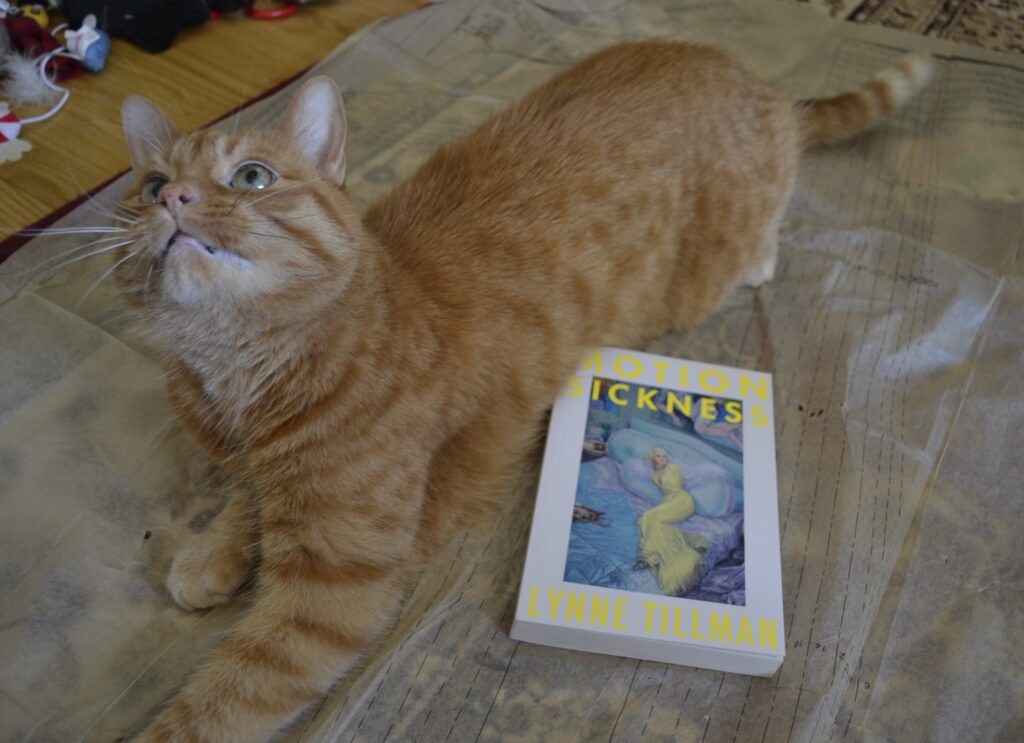
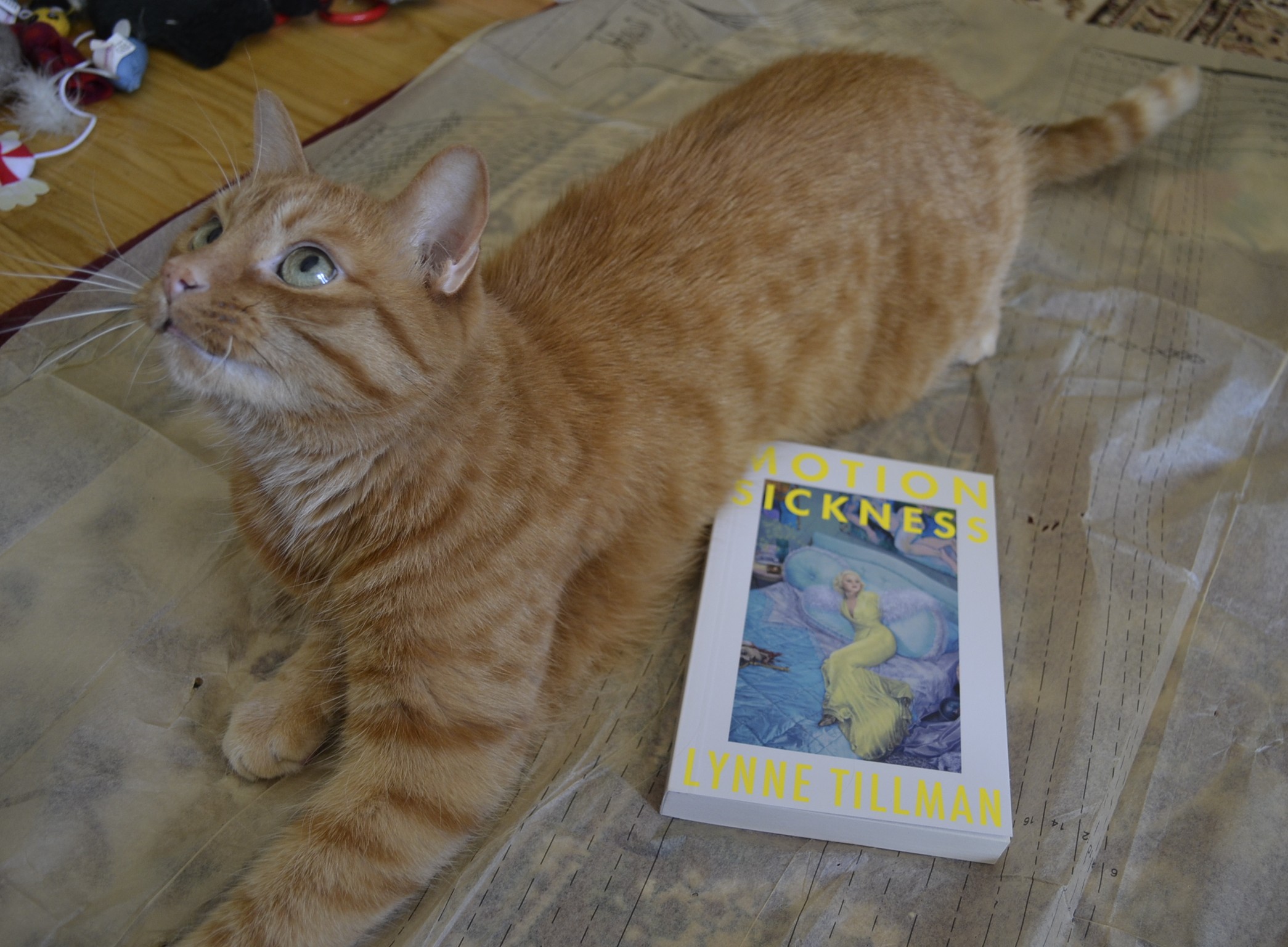
I’ve been dealing with this by trying to distract myself by doing some stitching and listening to some podcasts while I stay in a quiet room. I feel a bit like I’m in a nest of crafting stuff — with the occasional cat visitor — but it’s a lot more relaxing than watching the work being done or focussing too much on it.
All Who Wander Are Not Lost
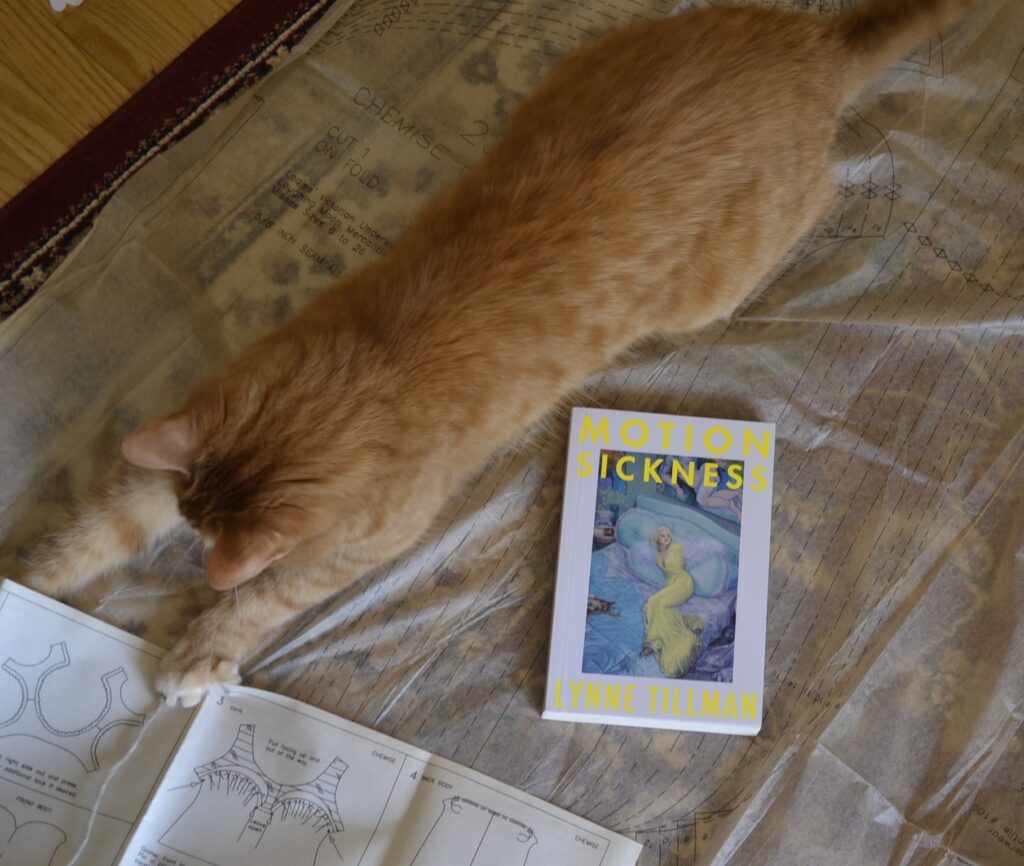
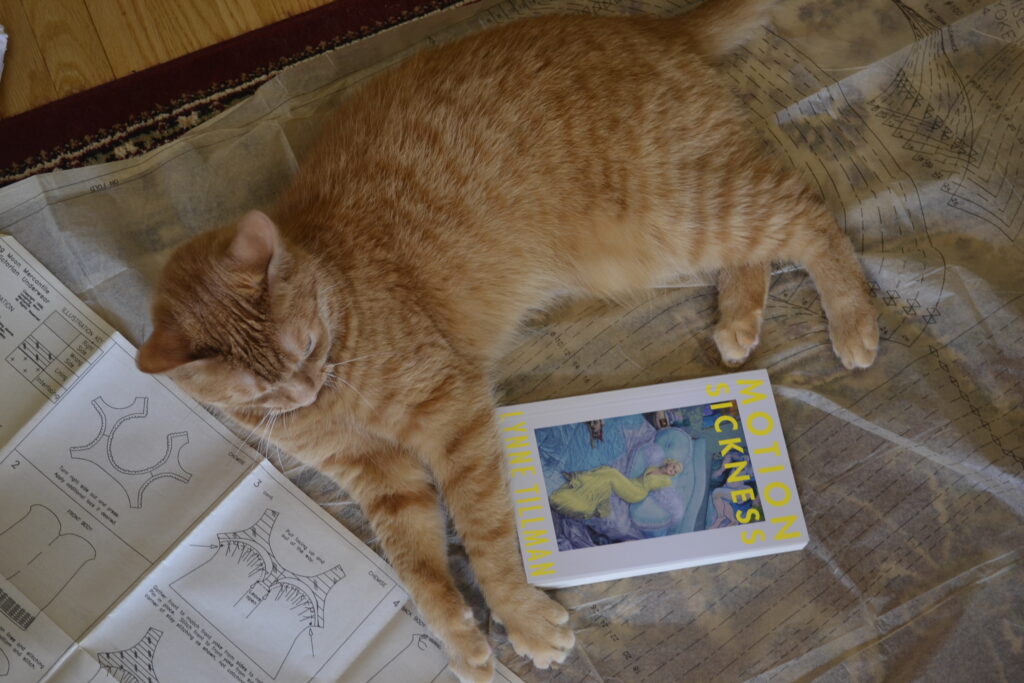
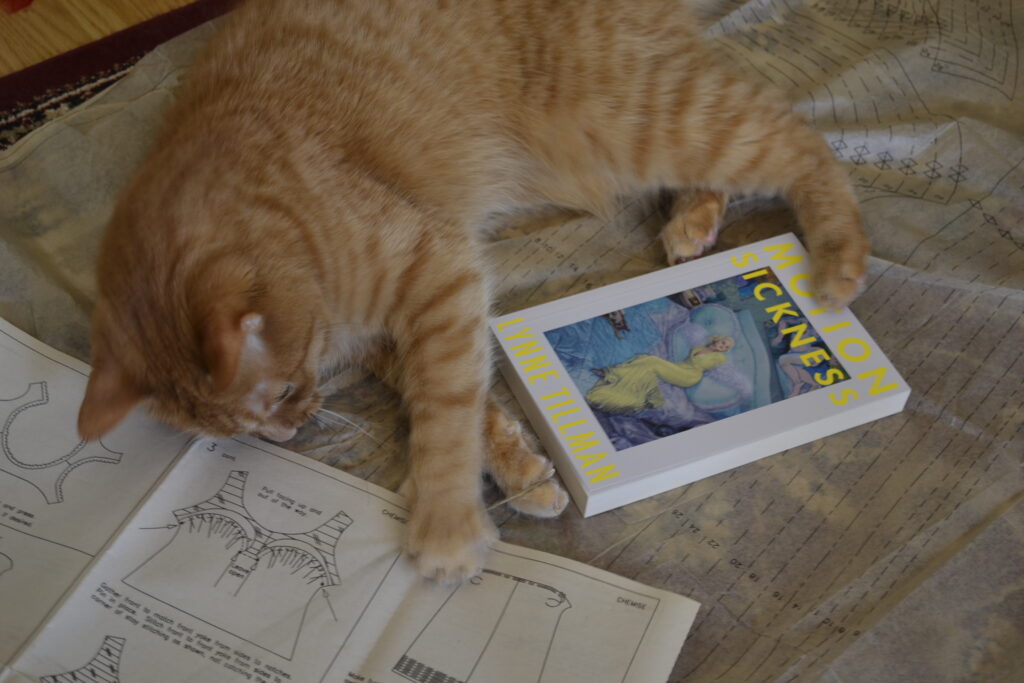
For the holidays, I was gifted a beautiful set of Lynne Tillman’s work recently re-published by Peninsula Press. Not only is her work technically spectacular, but she also is a feminist writer who extensively questions how women are depicted in literature and the cage that female experiences are defined by. In Motion Sickness, Tillman is delving into the ‘fish out of water’ novel. Literature is full of books about young men wandering Europe and beyond trying to find themselves. In Motion Sickness, it is a young woman who is on this journey.
While she goes from encounter to encounter and tries to determine who she is and where she wants to be, she has an existential awakening of what it means to live in the modern world and to interact with it on her own terms. This can be especially harrowing for a woman who is battered by unsolicited advice, double standards, and the pull of responsibilities at home that would probably not be inflicted on a son, but are definitely expected of a daughter.
A Note on Style
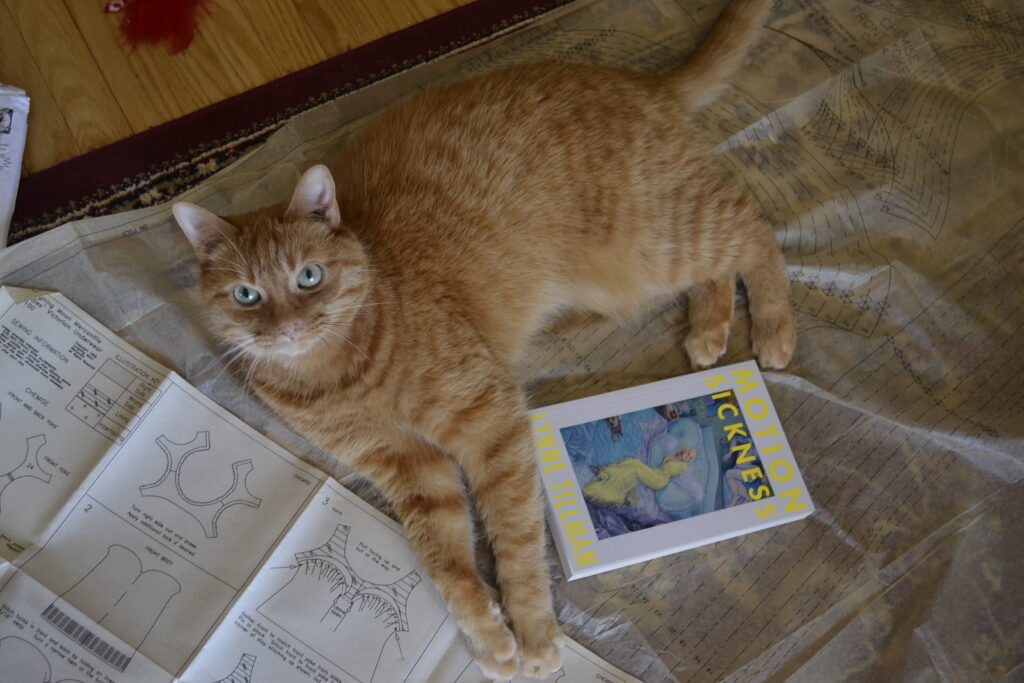
If you are the reader that wants a straight-forward, linear narrative, Motion Sickness is probably not for you. Like the narrator, the novel wanders between past and present and often between locations themselves. This style encourages the reader to let go of time and focus on place both inside the mind of the woman roaming and the settings she is wandering through. It makes for an effective novel, but it doesn’t make for a book that falls within traditional constraints or patterns.
Suggestions for Reading
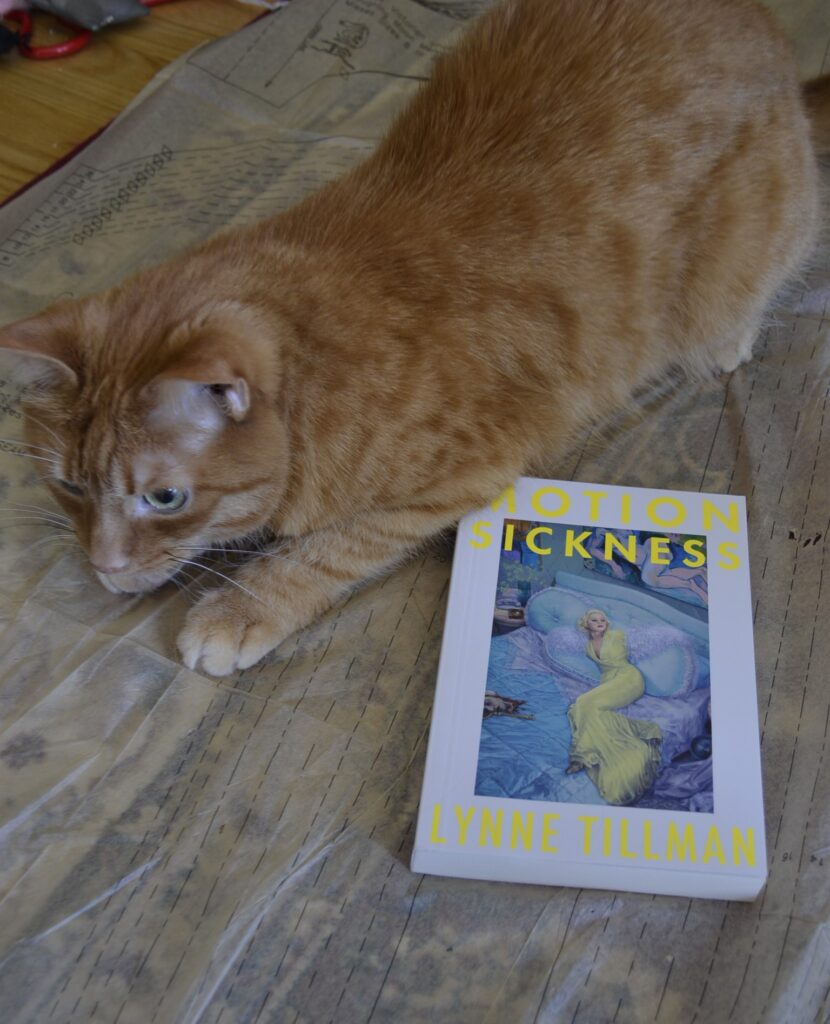
Because of the non-traditional structure, I would seriously consider reading this book in as few sittings as possible. Or at least focussing more heavily on it if you are a reader that is used to reading multiple books at once. In order to get the full effect of what Tillman is trying to achieve, you need to put in a bit more time and attention to the novel — especially if you want to organize events into a logical order and keep them fresh in your memory.
Lineups at the Door
Since the temperature has gotten warmer, the cats have started to politely line up at the door whenever the sun comes out. They’re ready for the harness and they’re ready for their little tours around the backyard to see what’s changed since the snow started. I’m grateful that the younger girls are patient when Wesker comes up and wants to take a walk. She’s the most senior and she gets priority. Especially when it really helps her appetite.