Changes in the Birds
The juncos have finally left for the season, so I think it’s safe to say that spring is here and there will be no more snow. I love watching the patterns of wildlife changing. We’re seeing more doves. A baby bunny has made an appearance. The lawn is lush and green and full of newly awakened but still slow-going bees.
I wish that maybe the sun felt a bit warmer, but unfortunately it is spring in Canada and that means it’s going to be the same rollercoaster that everyone has ridden their entire lives yet somehow is surprised by every April and May. It’s one of the many glues that hold this country together.
The Back-of-the-Book Puffery
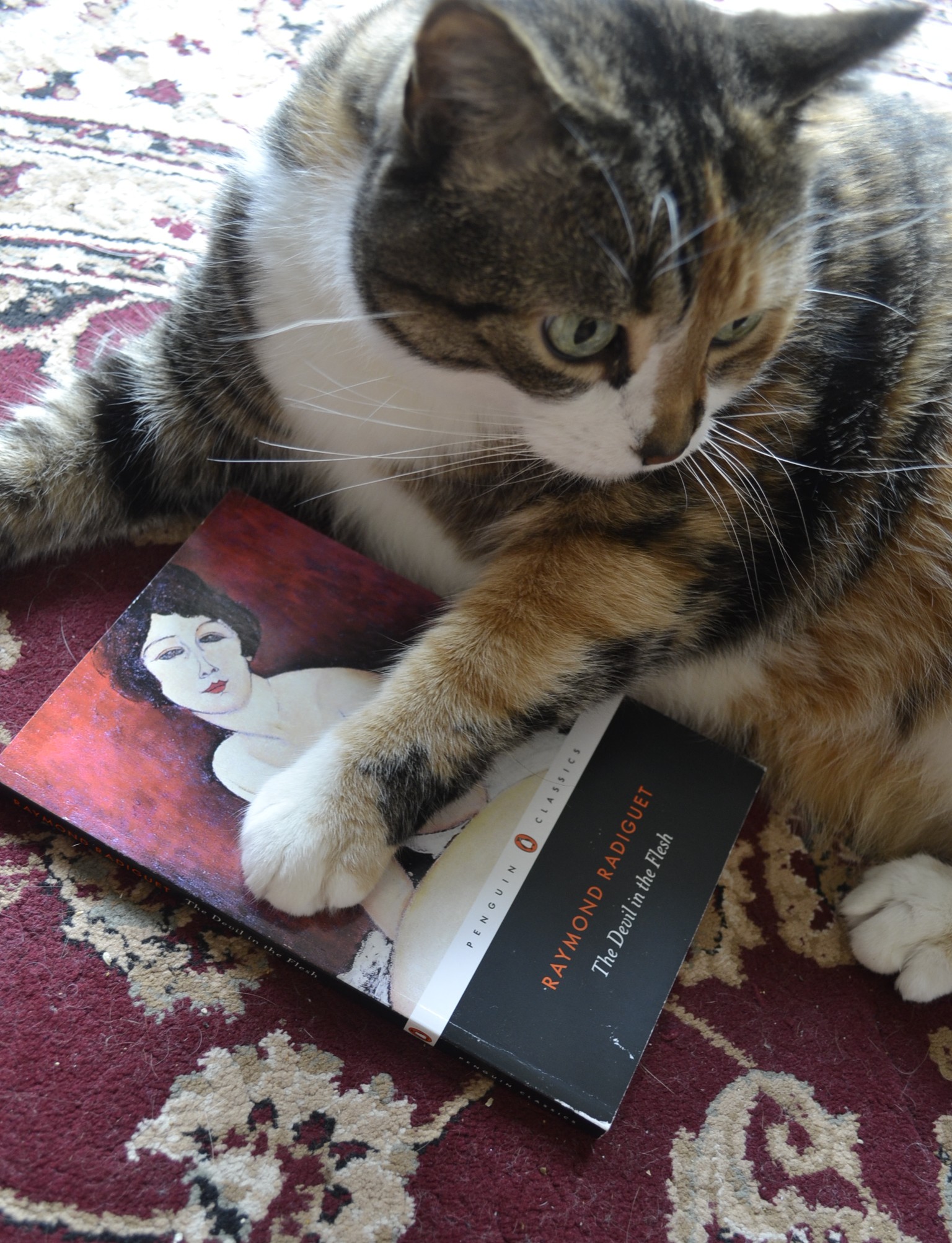
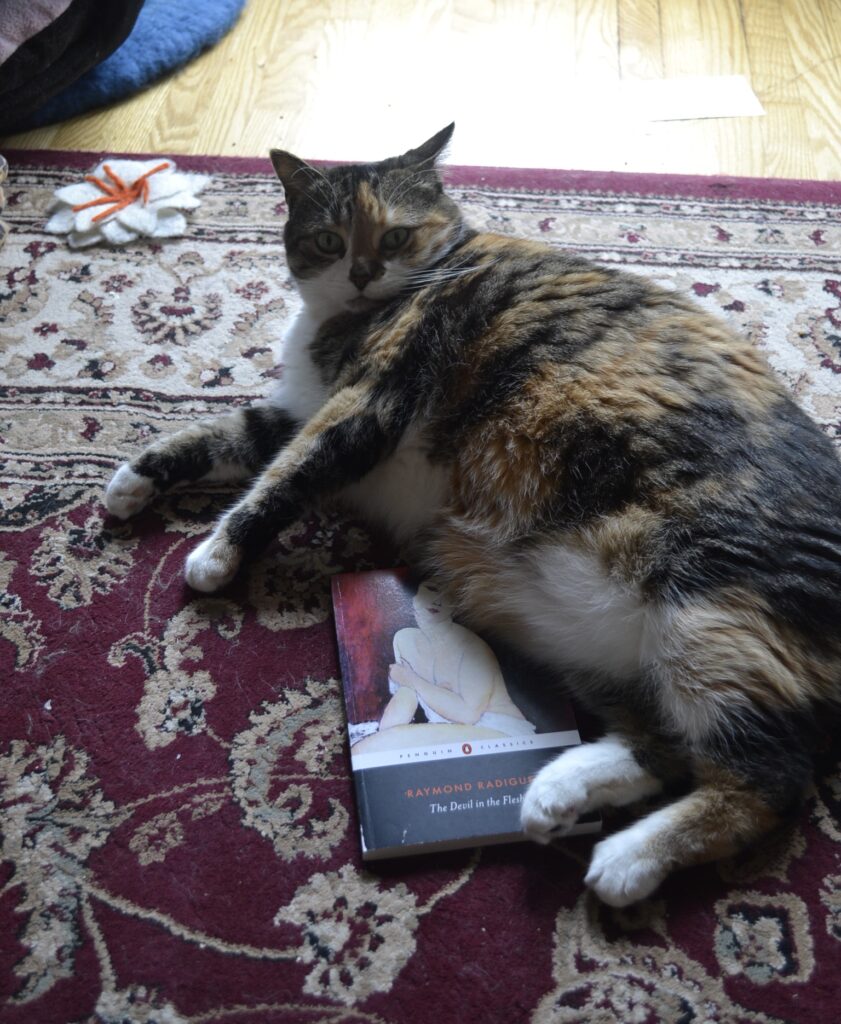
When I saw this book and read the back blurb, I thought that the age gap between the main character and the soldier’s wife was much more substantial than it was. The narrator is a sixteen-year-old boy and the soldier’s wife, Marthe, is nineteen. Don’t get me wrong, that age gap is still disturbing, especially considering the relative maturity levels involved.
Mistaken assumptions or puffery aside, The Devil in the Flesh (Le Diable au corps) is a twisting story of obsession and betrayal and the destruction that follows when people decide to throw morality to the wind. It’s a story mostly told in clandestine meetings, burning letters, and obvious consequences that lead to a predictable end. Whether or not it is truly tragic is up to the readers to decide.
Misogynist
The misogyny really made this book difficult to get through. Though Marthe is the older lover, she is depicted as almost a child in terms of intelligence and agency as the narrator controls her and dominates the narrative. Yet at the same time that it is insisted that Marthe is not a true adult, by turns she is also mentioned as being just so, so old.
Old? She’s nineteen. She is older than the narrator. But it is almost difficult to forget that she is not, in fact, forty because that is what the entire cast of characters treats her as. At the same time as the infantilization. Yeah, this book is a confusing mess when it comes to Marthe’s characterization.
Through the Lens of History
This book is autobiographical, and I don’t think Radiguet is a very objective narrator. What I mean by that is that I suspect that Marthe’s often ridiculous characterization is due to him not wanting to acknowledge the truth of what happened in one way or another. Perhaps he doesn’t want to think of himself as being taken advantage of and Marthe was not in any way the silly immature woman of the book. Who knows? What I do know is that it really shows that someone under twenty wrote this novel. It is juvenile and shows a very keen immaturity. Nonetheless, there is potential here that would have probably been realized had Radiguet not died of typhoid.
Changes in the Cats
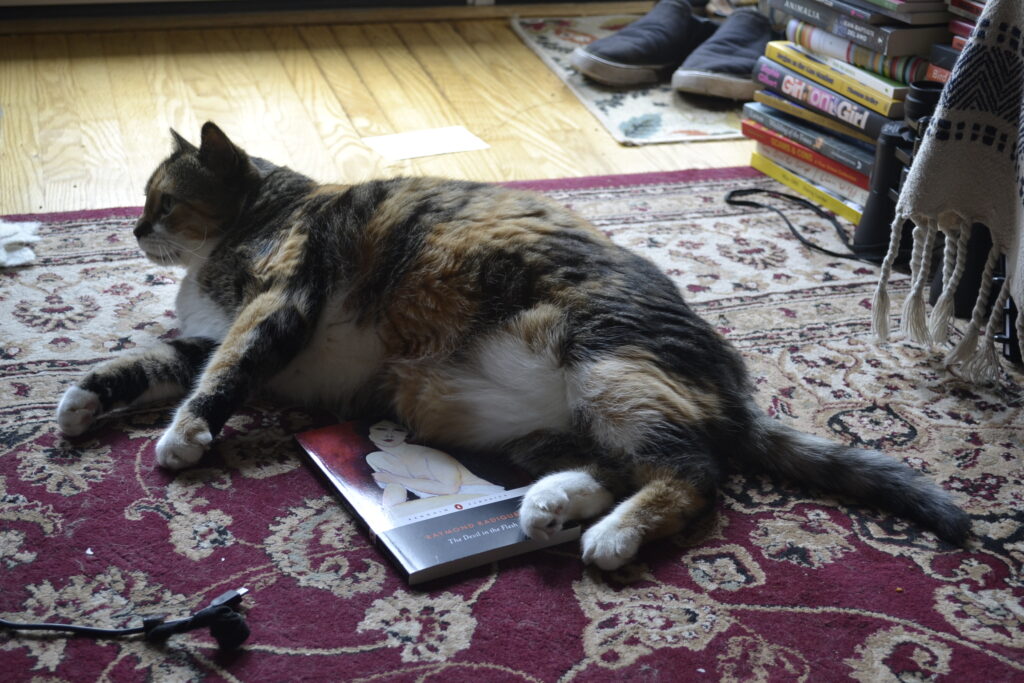
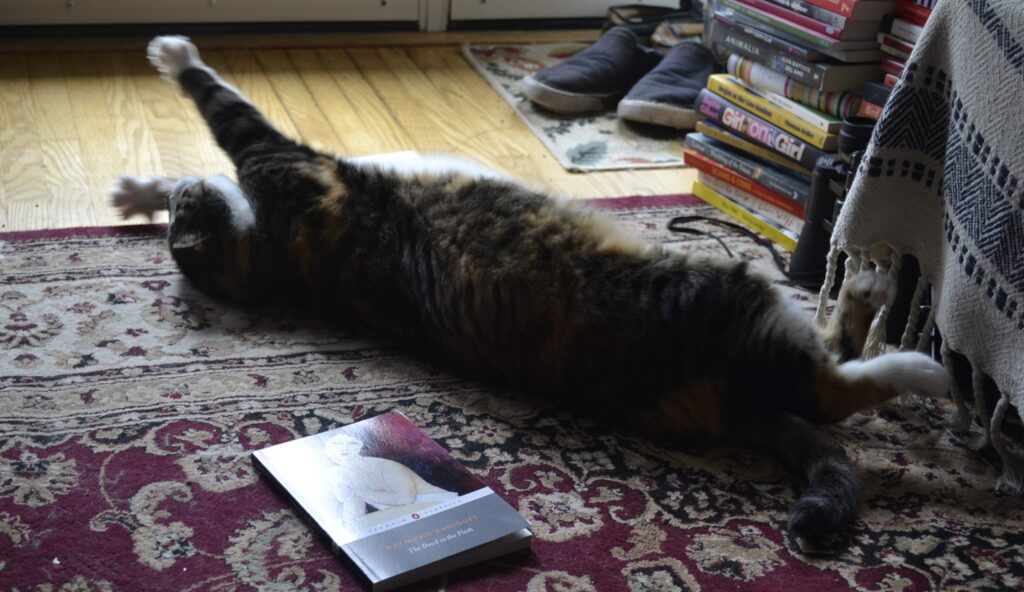
Finally. Finally! We are seeing the end of the spring shed. We no longer need to vacuum the sitting room rug twice a week. We no longer have to brush the orange menace twice a week. The air is a bit less irritating to the lungs. Also? Wesker’s coat has gotten fluffier as her undercoat is finally brushed of its excess and she’s started to gain a little bit of weight with the warmer and less rainy weather. We’ve gotten out the screen too, and on warm days that fresh air is much better than catnip!