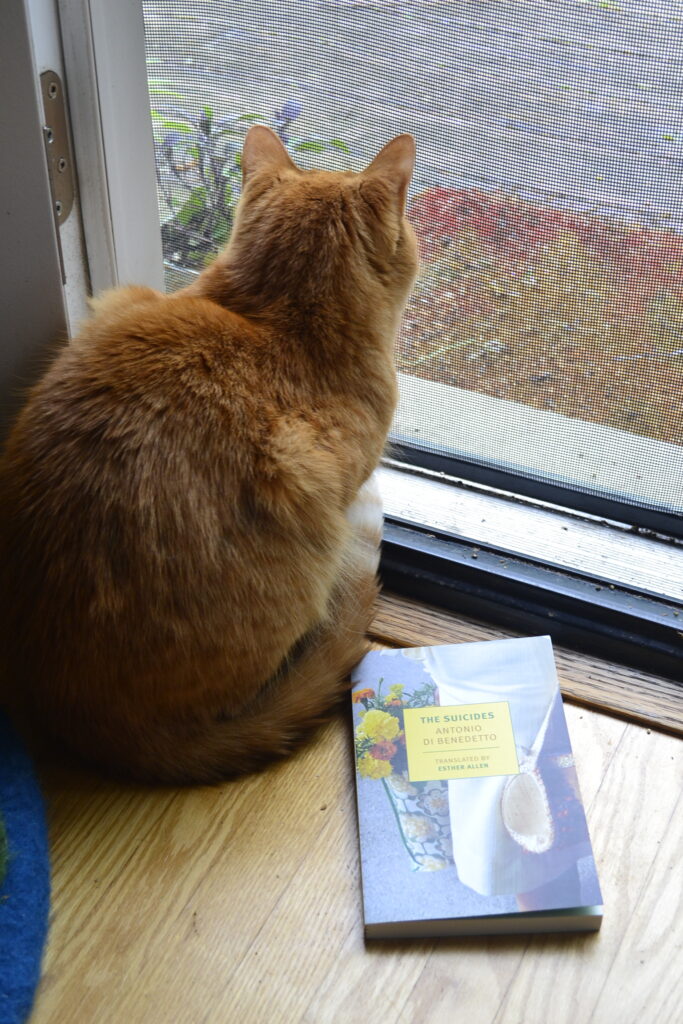
Getting the Books Off the Floor
Recently the shelves that have remained in their flat-packed boxes in our foyer through the busy spring publishing season have finally been constructed by my lovely spouse and found their way to our library. Now the books that were in stacks on the floor have found a new home and there seems to be less dust in the air as well as less wobbling book towers. It feels great to have the library look more like a library. Less great? Sorting books.
Don’t get me wrong, I love going through books, flipping through them, organizing them. What I don’t love is boxing them up and finding them a new home. The actual locating of a new home is easy. We donate them or give them to bookish friends. But it’s always a process to get them from our home out into the world.
A Trilogy
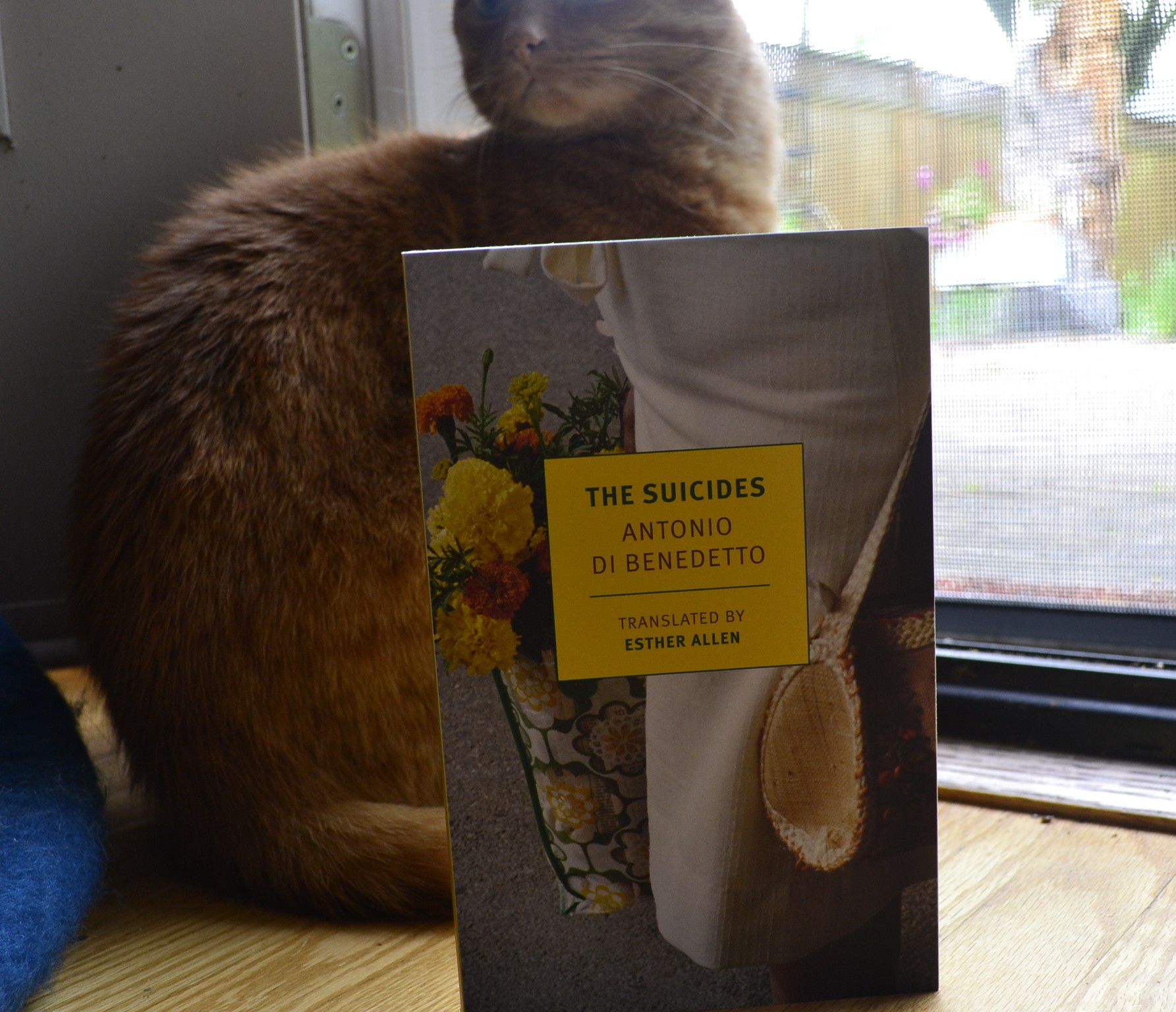
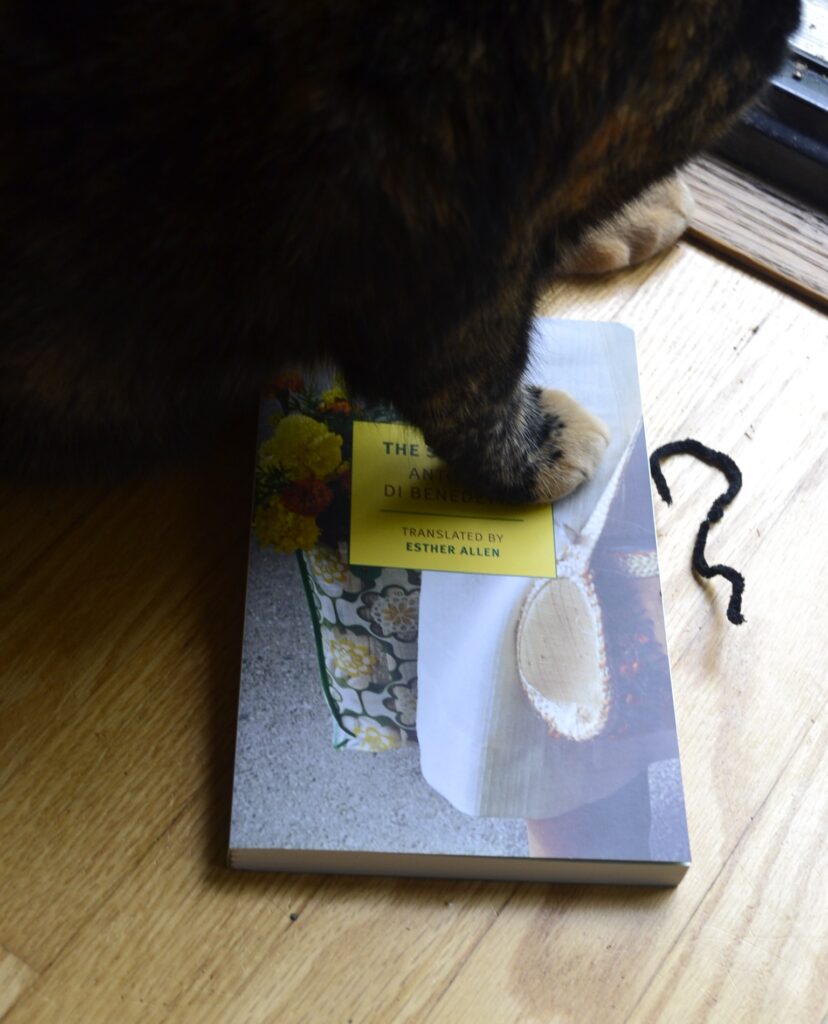
Antonio di Benedetto was an Argentine novelist, short story writer and journalist who, while he wrote some compelling prose, is perhaps not as well-known as the writers he is often compared to including Julio Cortázar and Ernesto Sabato. Three of his novels, Zama, The Silentiary, and The Suicides form The Trilogy of Expectation, though each one stands on its own.
Di Benedetto’s style is stark and precise. There are no extraneous words here. No time spared on unnecessary details. In The Suicides (Suicidas),the narrative follows a journalist investigating several suicides which may or may not be connected. As the journalist researches these specific cases, he becomes obsessed with historical and literary suicides and their stories and justifications. In the end, this becomes less of an investigation about suicide and more of a philosophical examination of what leads people to decide to end their lives or destroy themselves. And also? What makes them keep going.
How Much Do You Know
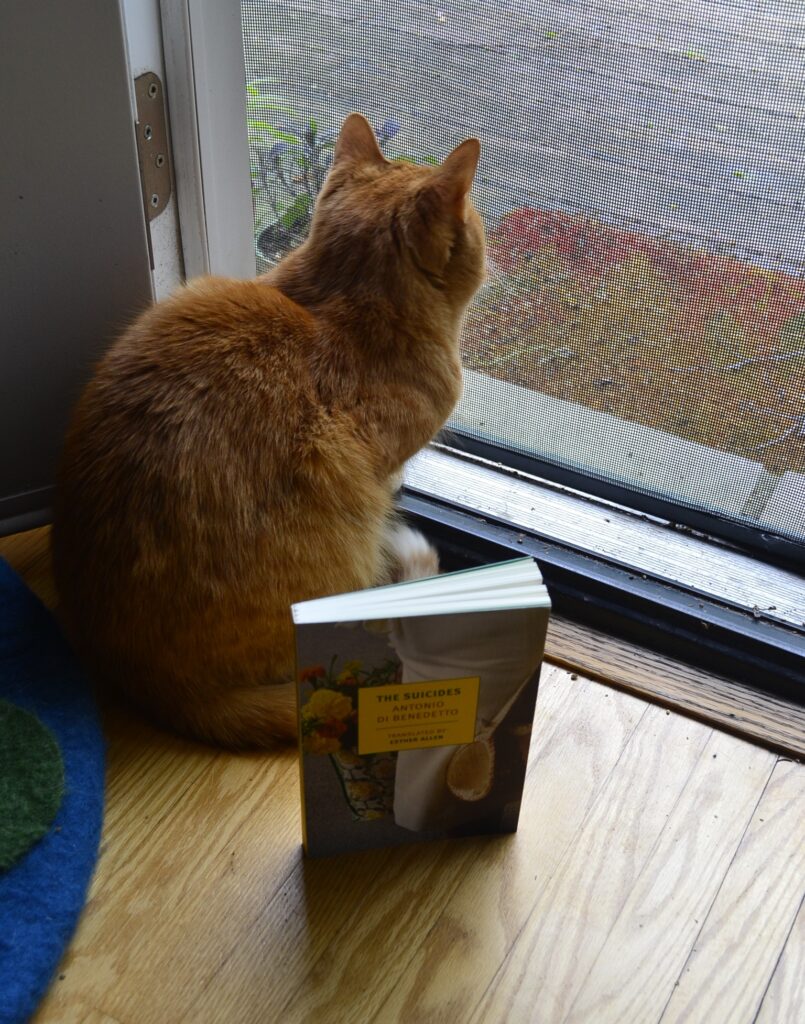
As the journalist begins to expand the scope of his questioning, the themes that di Benedetto is working with open up as well. He is writing about suicide, but he is also questioning how well we know others and how well we know ourselves and our own minds. How much do the people around us know us — enough to be able to see this very intimate kind of pain? Enough to stop the tragedy from happening? Is there anyone who can actually prevent self destruction other than the self? Is it truly obvious when those we love are suffering in silence? How good are we truly at checking in with ourselves?
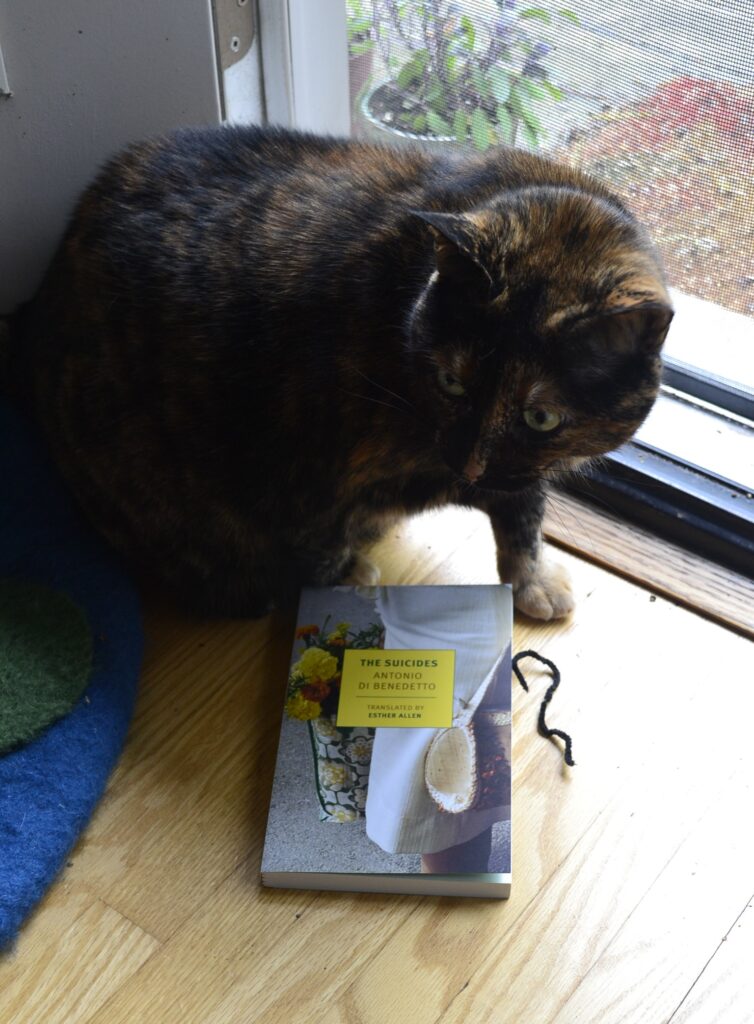
I will say that where this book falls flat is in its portrayal of women. All of the female characters are secretaries, mothers, lovers, wives, girlfriends. They do not have much of their own agency or stand on their own outside of the narrator’s interactions with them. The photographer is the closest to doing this, but she feels too opaque and her actions don’t quite make sense. It reads like she’s fulfilling a ‘mysterious, sad woman’ archetype popular at this moment in literature.
Dark Patterns and Histories
Where this book really shines is in di Benedetto’s analysis of the patterns that emerge when one looks at suicide on the societal level, including a few case histories and attitudes about suicide as they shift over eras, cultures, and even religious thinking. In fact, I think that is the stronger aspect of this novel. The plot seems to be secondary to this. The analysis seems more like the driving force of the book. When it takes a backseat to the plot, the novel slips away a bit.
Loving Them and Letting Them Go
Recently I had someone ask me how I decide what books to keep and what books to let go of. Sometimes it’s really hard. I can usually find something to love about even the novels I didn’t really like much. I can picture almost every book on my shelves into perpetuity. But we simply do not have that kind of space. So I only keep books that I see something special in. That had a particular resonance that I can feel when I look at the spine. Everything else I do my best to let go of.
Because I want other people to enjoy books too. And I want the books I give away to find their way to other shelves where they’ll be appreciated and loved.