The Ways You Miss the Internet
We went on a small trip and came back to the internet being out. My lovely spouse assumed that it was the traditional matter of unplugging the modem, waiting a bit, and then plugging it back in again. It wasn’t. And so we have been left without internet over the weekend. While WiFi isn’t needed for a lot of things we love to do — like reading and writing — it is pretty convenient for looking up information and for doing a lot of little tasks that we take for granted. For instance? Our light timers are linked to our phone and that means that there will be no adjusting them until we are back online. Not quite as convenient as I want it to be.
First Work Experiences
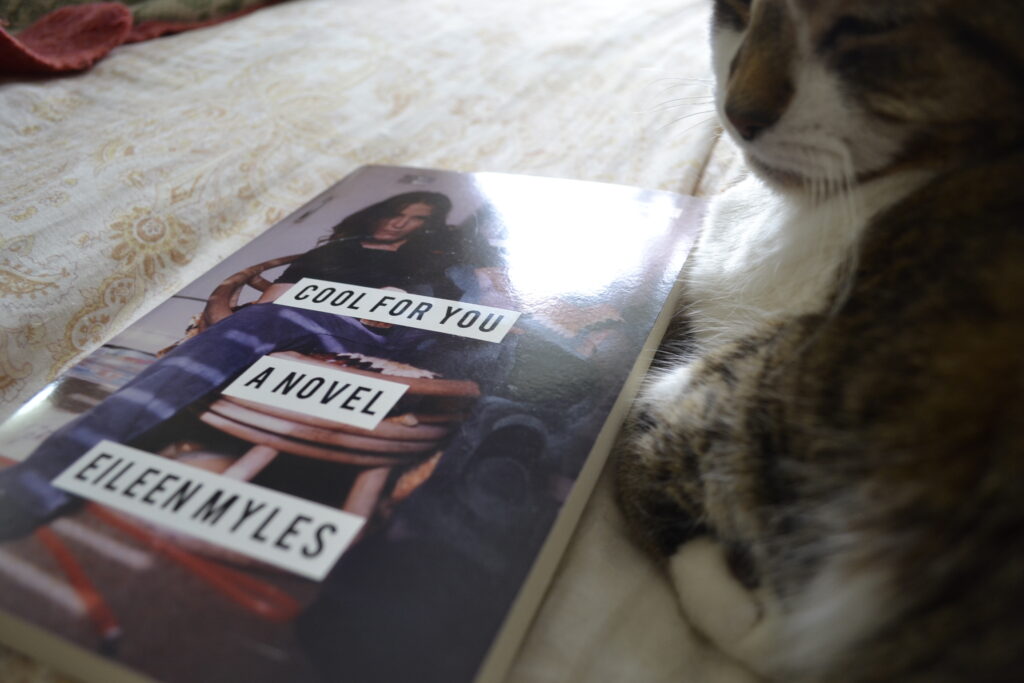
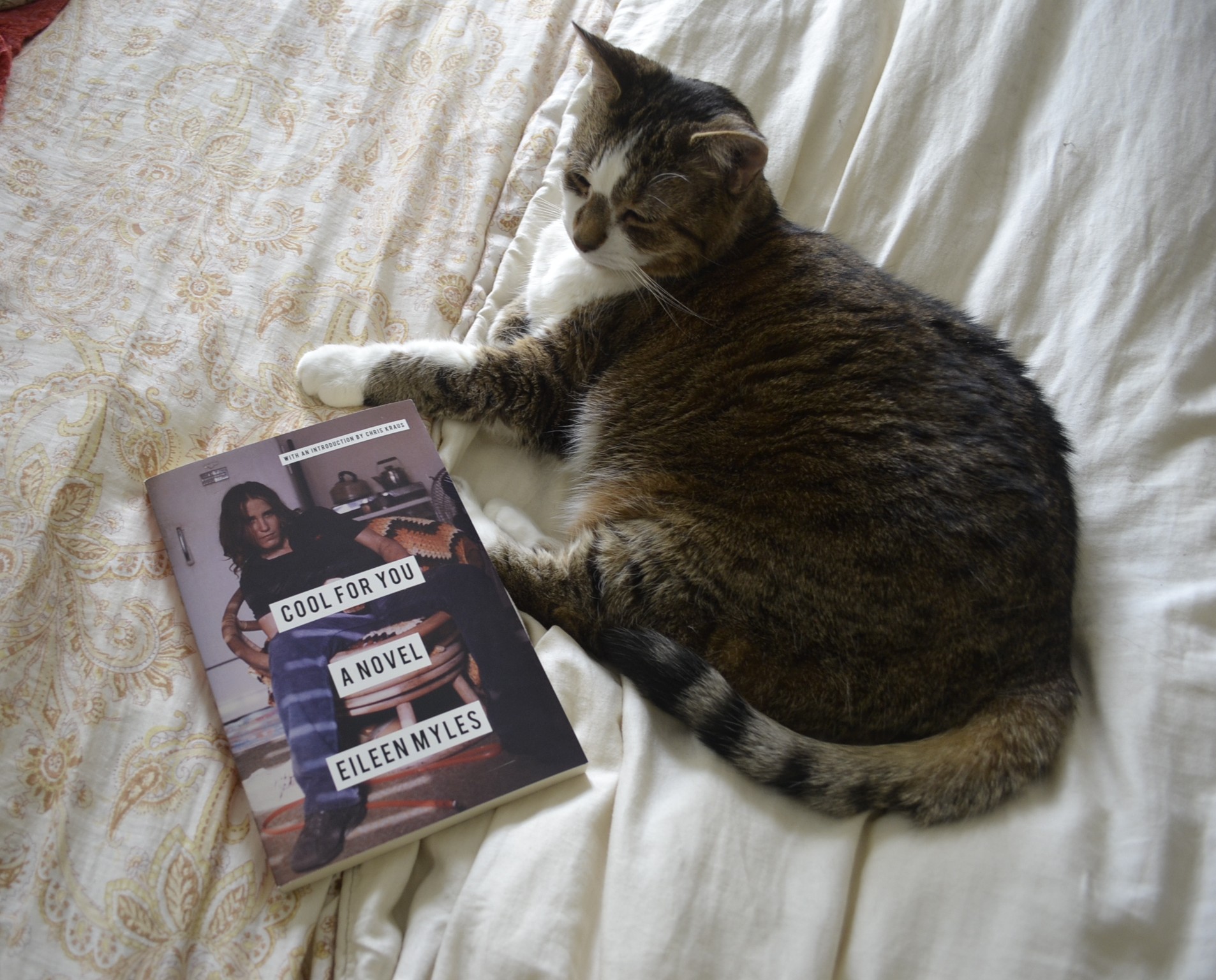
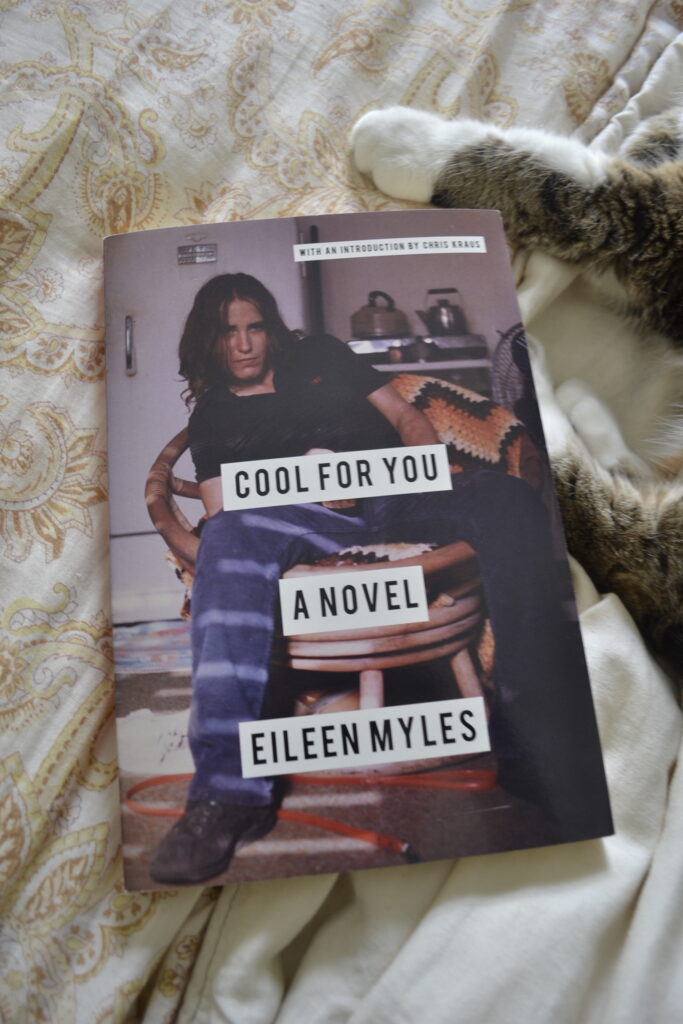
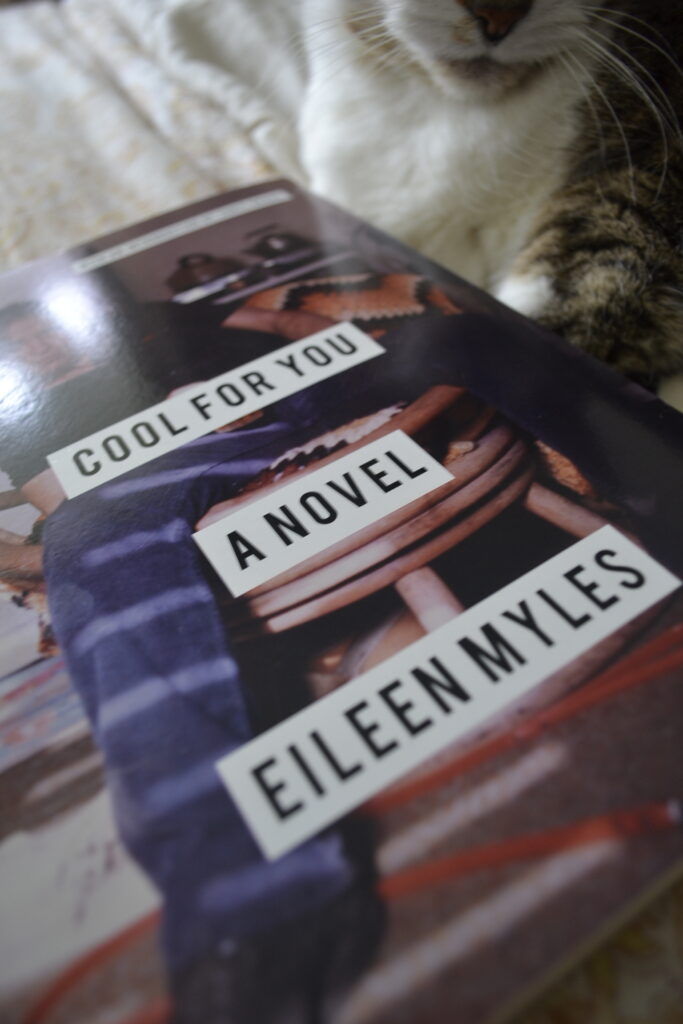
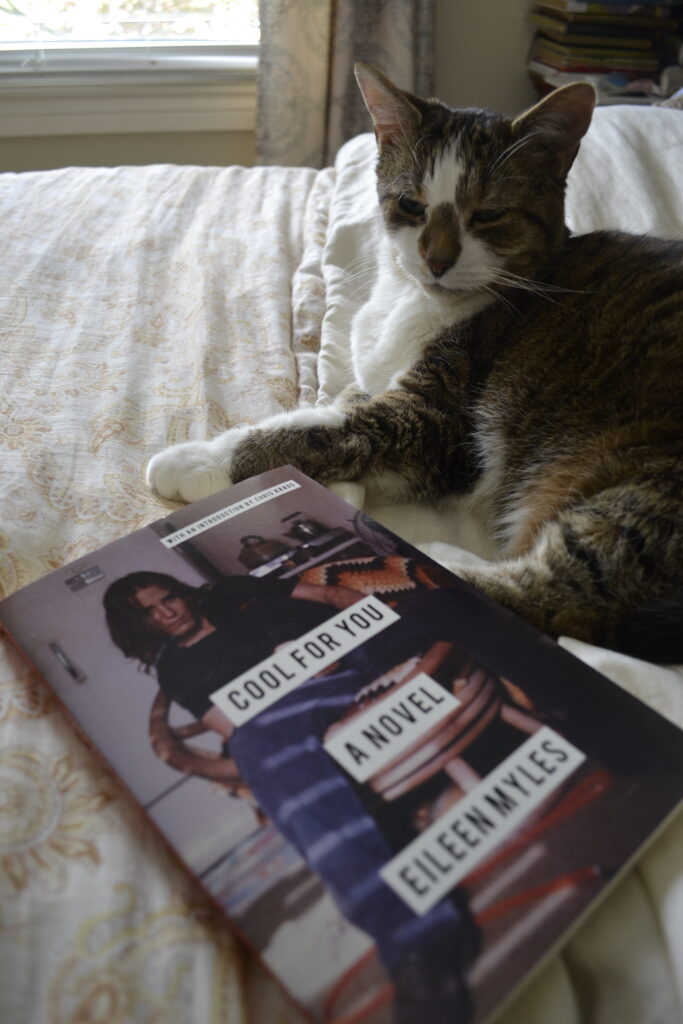
Eileen Myles’ Cool for You is about a young queer woman coming of age in working class Boston, and finally realizing that the forces that have shaped her childhood — like her family unit, the Catholic school system, summer camps, medical institutions, and a partially obscure but weighty family history — are not going to be very helpful or useful in shaping her adulthood. Myles describes working menial jobs at a school for developmentally disabled adult men, as well as a nursing home and various other places and, while their stories are funny tales of minimum-wage teenage drudgery, they are also stories of chafing at the world one inherits from their parents and of the factors of our birth, like gender, class, and body, that feel so out of our control but are pinch points to how we are perceived and treated.
The Vulnerable
In their descriptions of the treatment of the men in the school and the patients in the nursing home, Myles is subtly drawing a comparison between the vulnerability of these populations with the narrator’s vulnerability — that of being a young woman on the brink of adulthood and on the brink of discovering who she truly is and how she fits in the world. The narrator feels lost in a world that doesn’t have the time or the inclination to help or guide her through the turbulent years of adolescence and young adulthood. Just like it often doesn’t have the inclination or the time to take care of the cognitively impaired or the elderly. All of these populations are often left to their own devices and to their fates, and there is a very sharp injustice in that.
Looking Backward at Where We’ve Been
Throughout the novel, there is the feeling of looking back on adolescence through the adult lens and determining when the path branched away and off of the supposed ‘straight and narrow’. Perhaps one of the greatest turning points of young adulthood is being able to look back on the turbulence of youth with clear eyes and a better understanding of yourself and your origins. Especially when it comes to family and if they were trying to shape who you became for your good or for their own. Or if they even took the time to get outside of themselves to see you at all.
Lack of Focus
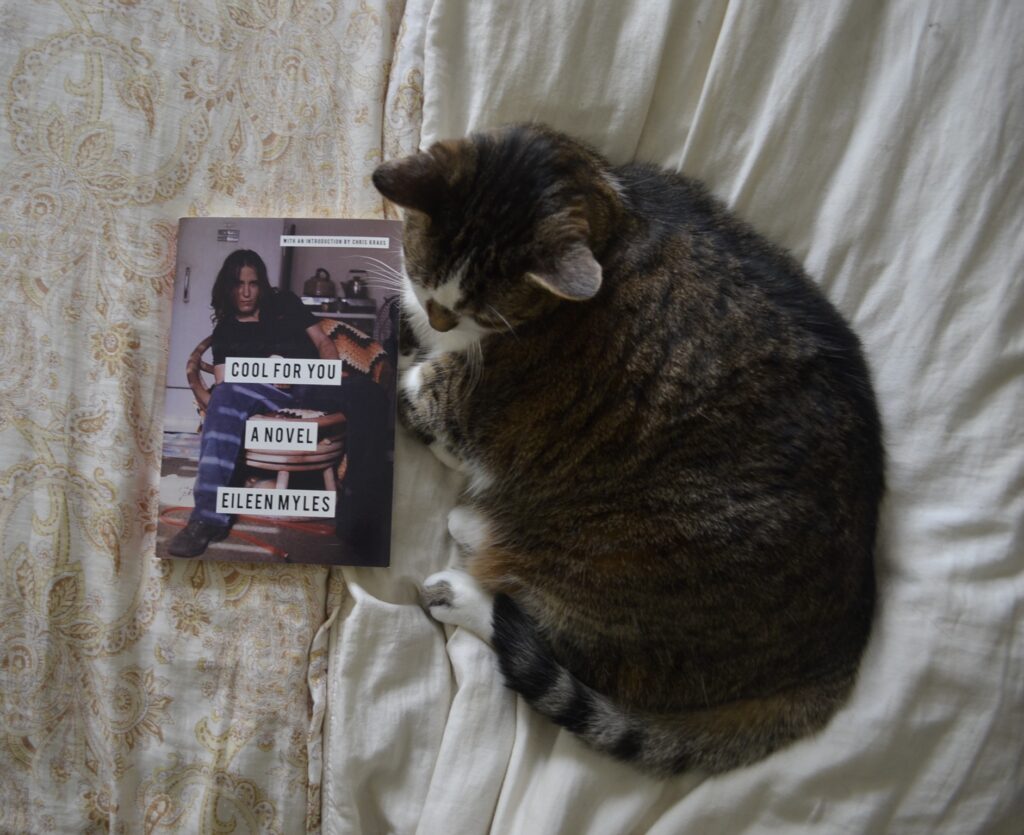
I’m a bit more saddened by the lack of internet this weekend because I haven’t had the focus to read. When I’m on my cycle, there are at least two days when I cannot force my brain to concentrate on reading. And it feels awful because I am so fatigued that I can’t do much more than lay on the couch and lament. It would be the perfect time for reading…except I cannot read. Lament. Lament. Lament.