Senior Cat Care
Bubastis, the senior who hasn’t given us much trouble so far in her senior years, finally had the medical emergency we were dreading. It’s been a whirlwind of vet visits, diagnostic tests, phone calls, and missed sleep. The good news? She’s doing perfectly well. A little bit of medication and she’s back to her Boo self. The bad news? We’re not sure what caused the initial emergency, but all signs point to some nerve damage from an old leg injury. Which means that more than a week later we’re still dealing with a few more tests just to make sure that she truly is going to be okay.
And of course this week, Wesker has decided to be fussy about eating. In short? I’m utterly exhausted and wishing that cats could understand human speech just so that I could both comfort them and tell them to maybe give me a break.
Art Imitates Life
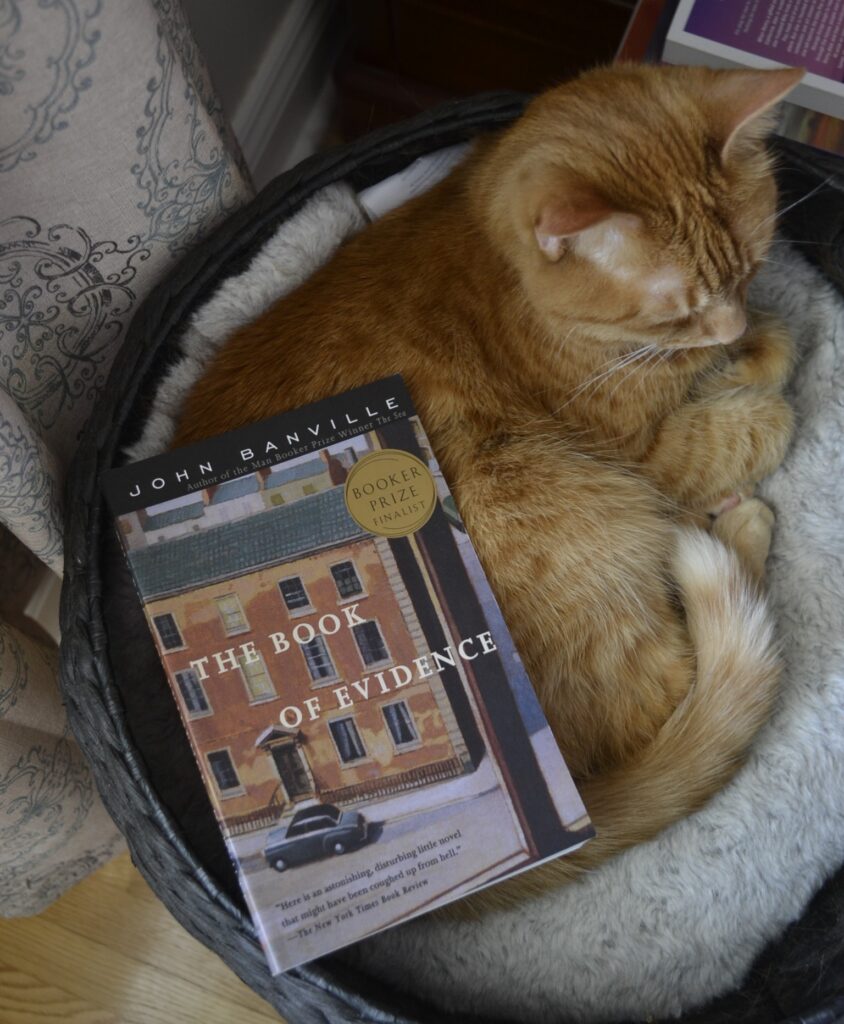
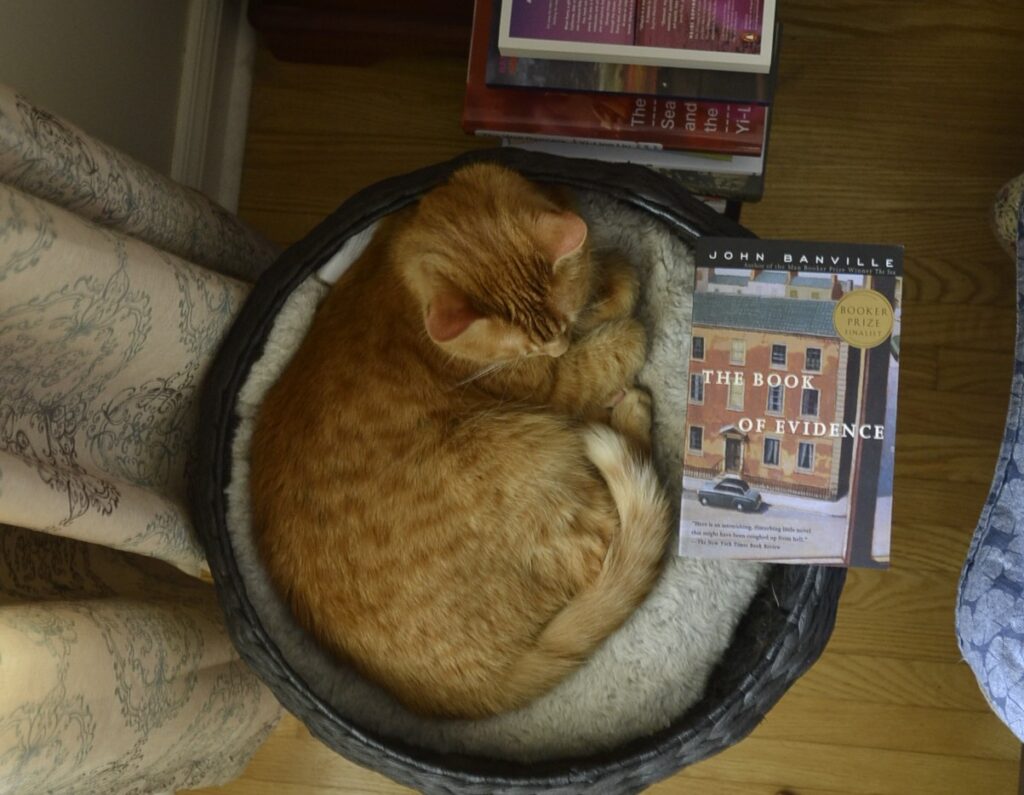
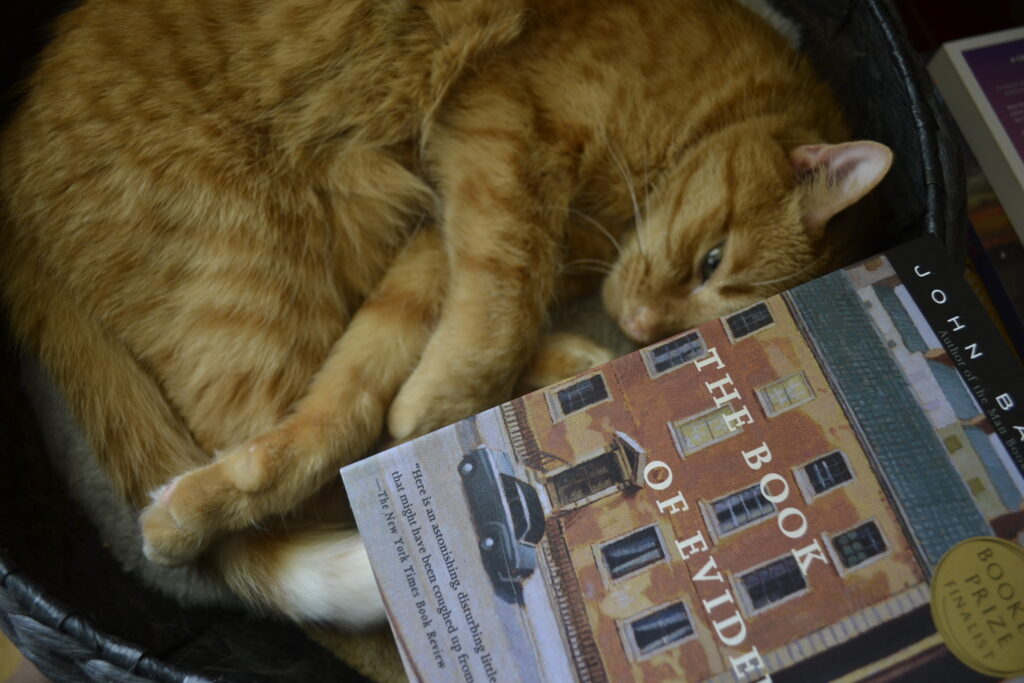
John Banville is a writer that is mostly known today for his mystery novels, however he’s a Booker-Prize-winning writer of literature as well. It’s in this capacity that I know his writing best. Specifically, I was drawn to The Book of Evidence through a book on the Malcolm MacArthur case, Mark O’Connell’s A Thread of Violence. O’Connell’s book is fantastic and I cannot recommend it enough, by the way.
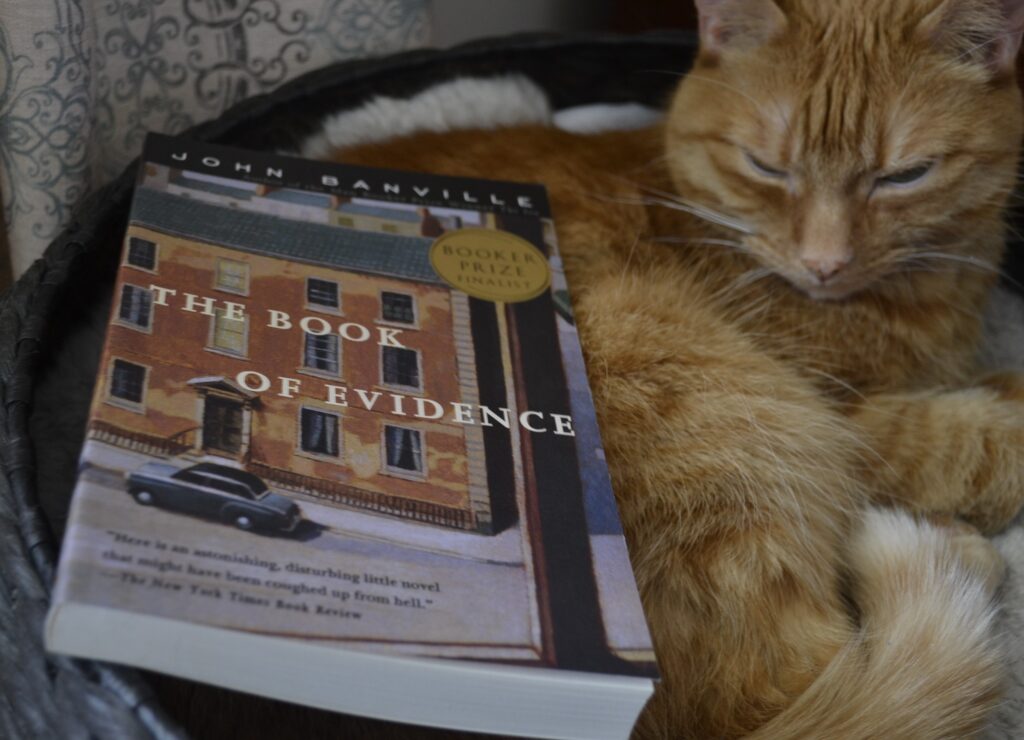
The Book of Evidence is based on the MacArthur case and takes many of the main details from it as Freddie Montgomery (a stand it for MacArthur himself) writes about a murder he committed while he sits in a cell and waits for his trial. Montgomery takes the reader through events and motivations and all of the gruesome details of his crime without any kind of apology or emotion. His arrogance drips off the page as he tries to explain the greater forces (societal, financial, trauma) that supposedly lead him to become a monster.
However, it’s still clear that Montgomery is a monster of his own making.
What Would You Do to Avoid the Grind?
So what leads Montgomery (and what lead MacArthur) to murder? The fact that he was up against the reality of having to actually find employment and work for a living. That all of the time he had for his own pursuits and to live how he wanted to was about to evaporate. Montgomery decides to rob and to kill in order to defend his own time from the daily grind that most of us go through every day. The entitlement is putrid and nausea-inducing and through it Banville is asking the reader to examine a very different question from the one Montgomery wants us to focus on. Banville wants to point out that the way society has truly failed is when it comes to catching these individuals before they do harm to others, and asking if it was possible to see this kind of dangerous and obsessive privilege before it cost a human life.
Unreliable Narrator
Having an unreliable narrator for an entire novel length piece is a gamble. It’s easy to make it not obvious enough that the narrator is unreliable, which is undershooting. Overshooting and making the narrator too obviously unreliable just makes everything cringey and hard to read. The Book of Evidence is one of the best examples of this technique I have ever come across. Montgomery’s arrogance and entitlement is completely obvious and completely palpable and while he is constantly dodging blame and responsibility for his actions, the reader can easily see through him to the truth. A perfect and complicated balance.
A Matter of Patience and Intuition
I think the best advice I can give anyone embarking on the senior cat journey is that sometimes the best treatment or course of action is a matter of patience and intuition. I tend to get very stressed and freaked out when Wesker has a non-optimal eating day, but panicking and going down a rabbit hole of causes is not helpful. It’s best to relax and wait it out and try a few strategies before getting too stressed to think straight.