The Outcast and the Rite

I’ve gleefully noticed that for the last two or three years there’s been an emphasis on the forgotten women writers of weird fiction. It soothes a sore spot in my child-self.
Antiquarian and Classic Book Reviews
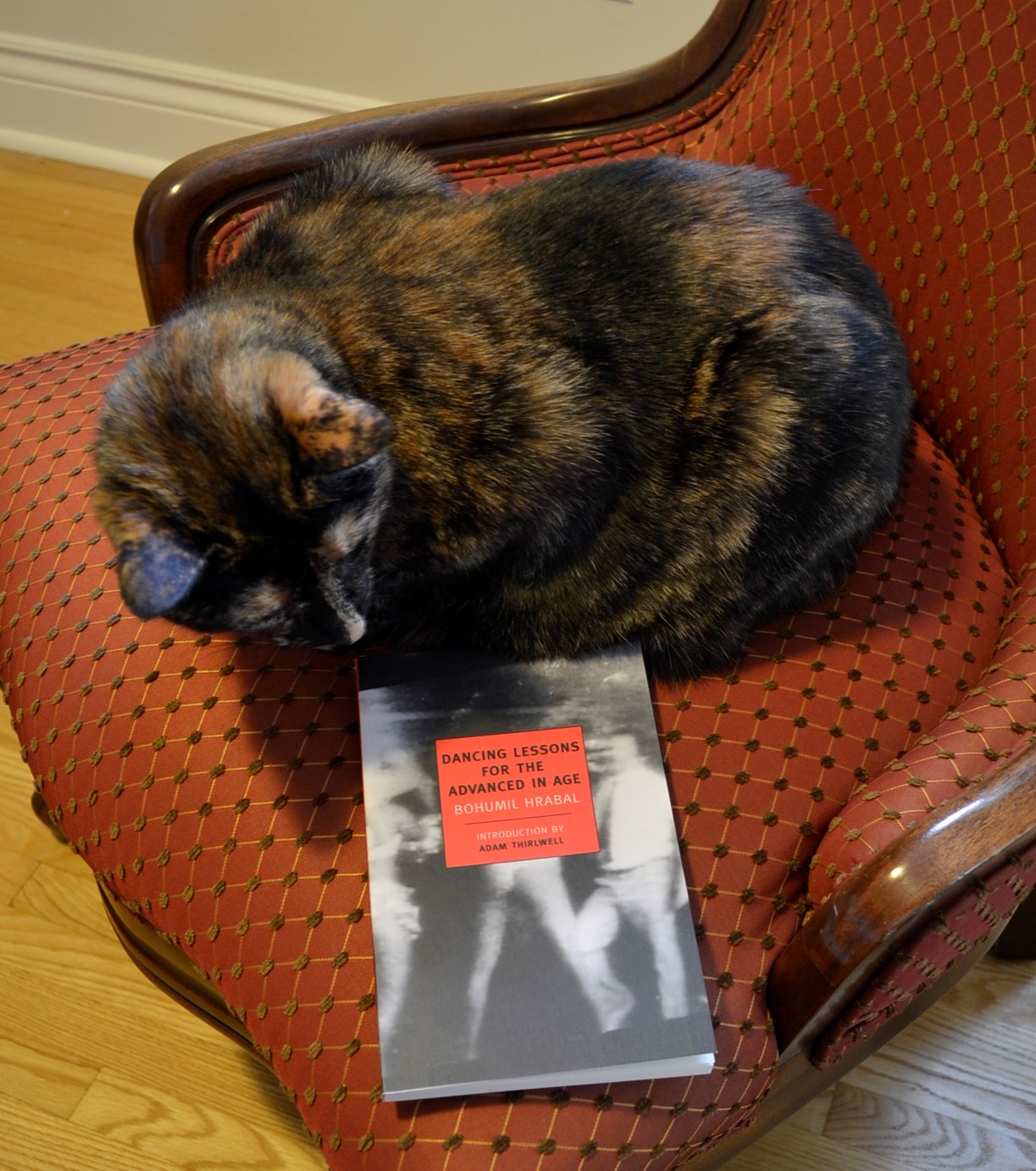
Rusalka is a tortoiseshell cat, with beautifully brindled fur and a silly Groucho-Marx moustache. She’s bossy, chatty, and very, very lovey.
She was adopted at ten weeks old in September 2020 and is the youngest cat in our household. People warned us about ‘tortitude’ when we adopted her — and she does have attitude, but not nearly as much as we expected.
Rusalka hates to be picked up. Except when she wants onto your lap, then you have to pick her up. Any other time, and she will stick her legs and claws out and flail like you’re murdering her. She goes where she wants to go, and she might be a little bit spoiled.
But you are guaranteed to be Rusalka’s friend. This cat has always been friends with everyone. She is friends with the vet. After her shots, she will rub against the vet’s leg to remind them that they are still friends. She is friends with the service technicians who fix our furnace. And the plumber. And anyone who visits. And her sisters most of all. Rusalka even gets along with the famously anti-friends Jabberwocky.
She is very serious when she plays, whether that’s chasing a string or screaming before running after a felt bee thrown down the hallway. Her favourite toy is the bee on the string, but we don’t play that very often. When she catches the bee on the string, she bites down and growls and gets very, very serious about keeping what she has caught.
She’s the biggest, cuddliest Mama’s girl, and Hargrave rarely gets to lie down and read without Rusalka insisting on being put on her lap.
I’ve gleefully noticed that for the last two or three years there’s been an emphasis on the forgotten women writers of weird fiction. It soothes a sore spot in my child-self.
There’s nothing quite comparable to the experience of reading transcripts and re-printings of primary documents. To read a trial transcript from two hundred years ago and hear the echoes of words spoken so long ago by innocent women accused of crimes that are literally impossible to commit is something powerful and weighty.
When I saw Robert Graves’ They Hanged My Saintly Billy and realized that it was a novel about William Palmer case, I leapt at the chance to read it.
The novel uses its single sentence in a way that makes it an accessible and compelling read. It goes to show that it’s important to see beyond the quirks and give even the weirdest sounding books a chance.
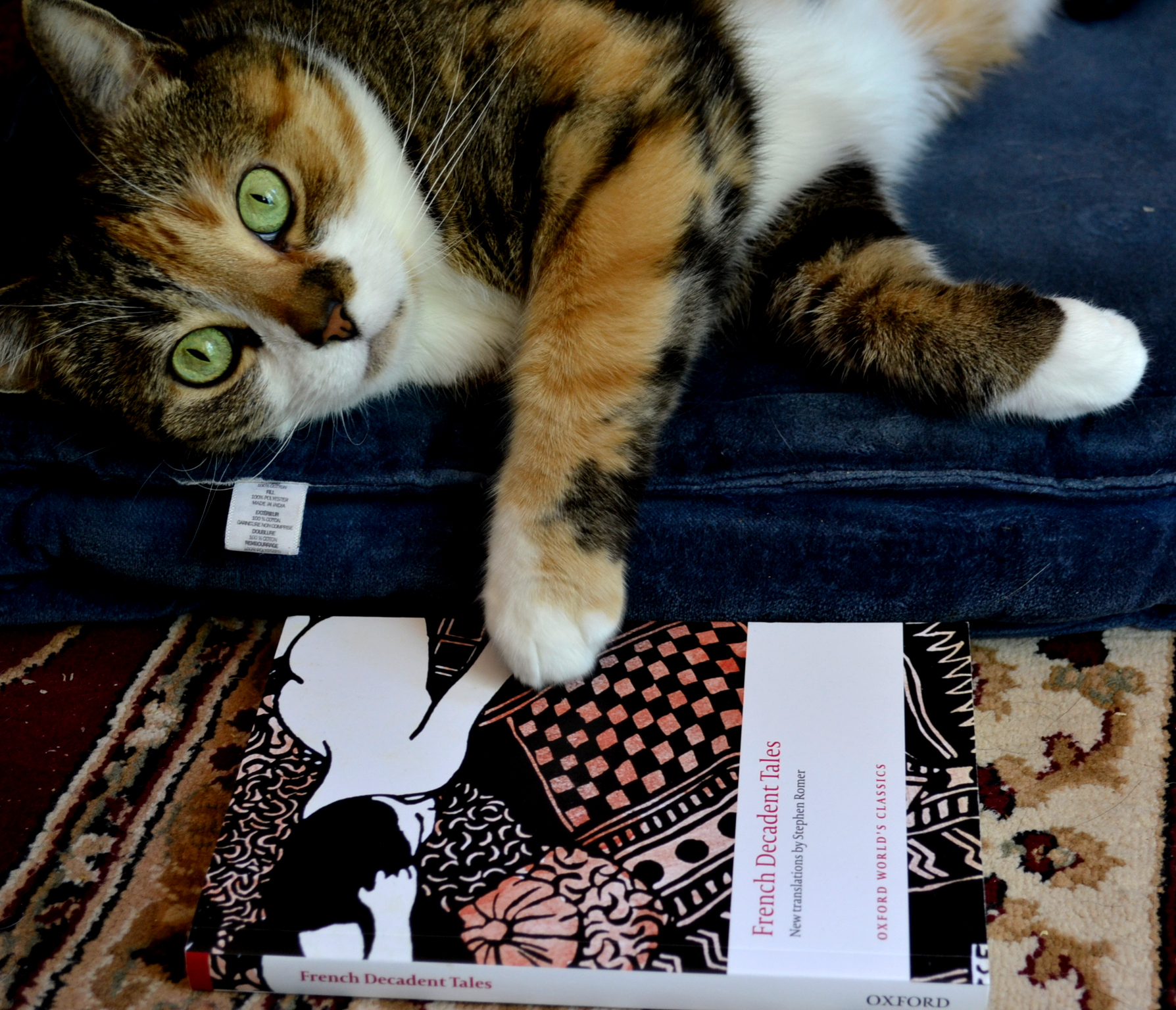
I saw the Oxford World’s Classics French Decadent Tales sitting on my local independent bookstore’s shelf and I got so excited. French Decadence was a movement that did so much to further the form of the short story in general, but it also has all of those dark stories to tell at twilight that I can’t get enough of.
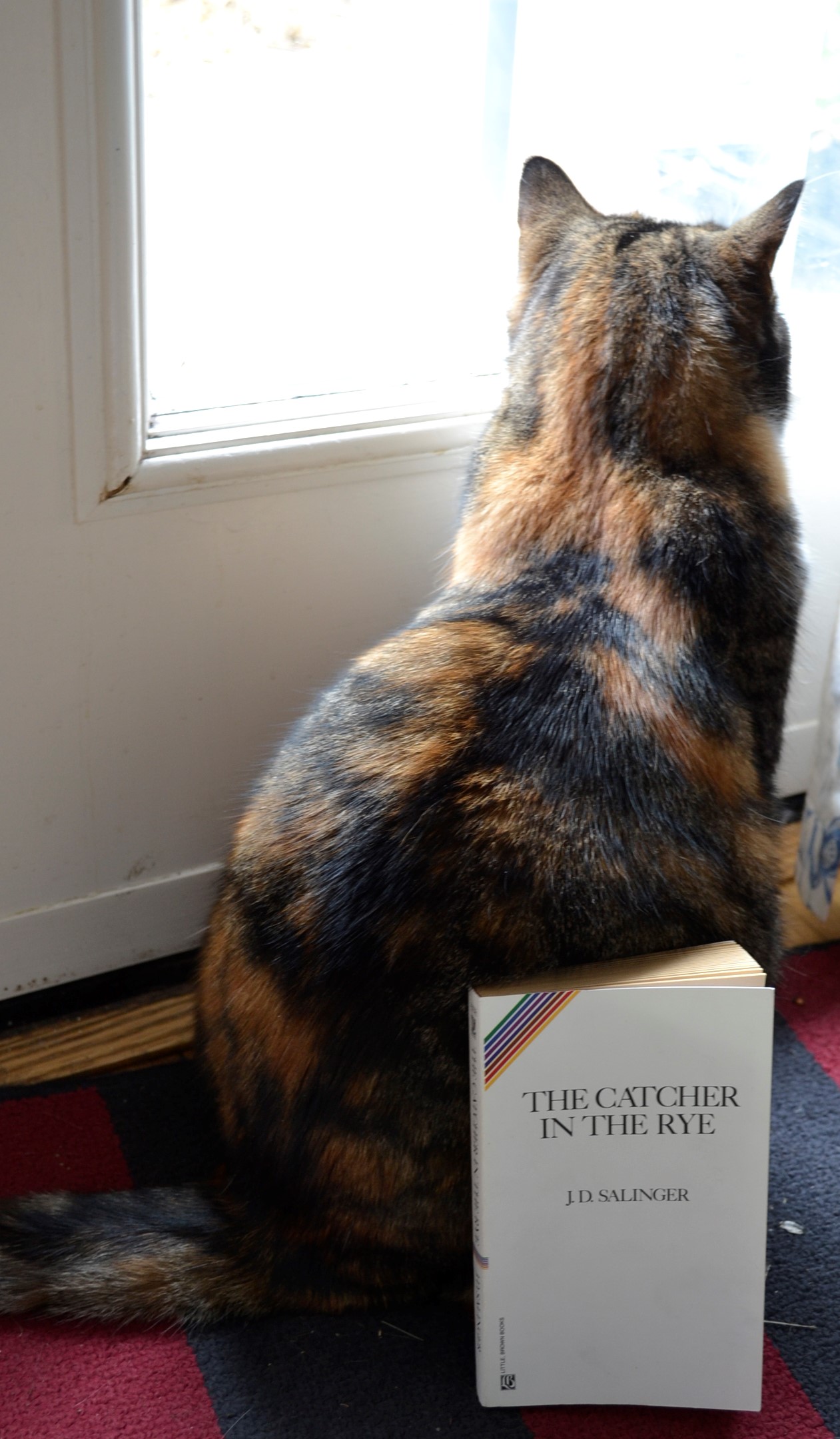
The Catcher in the Rye is much maligned. Accused of being misogynist, homophobic, and other horrible things, it’s a book that many people have a very strong opinion about one way or another.
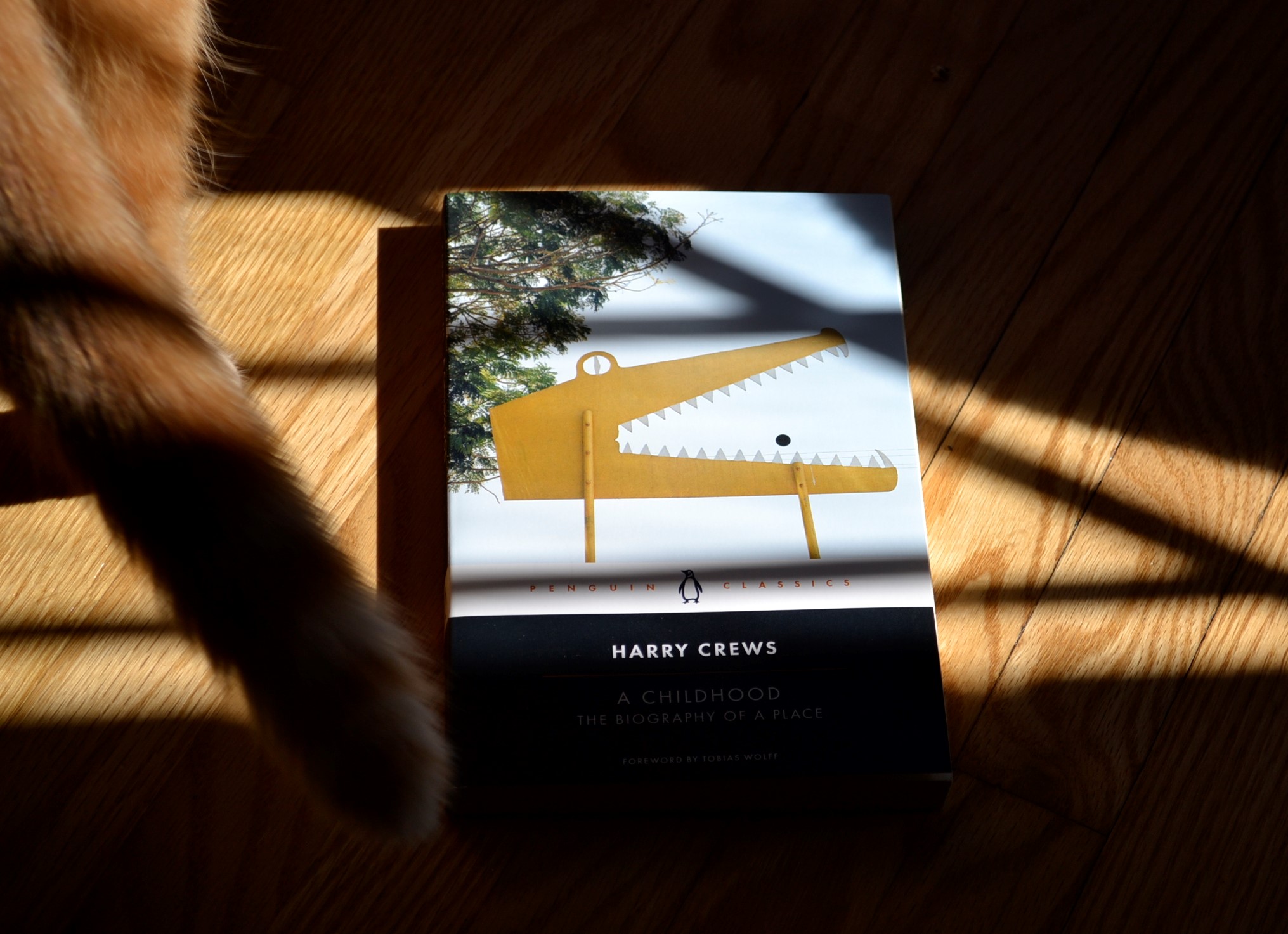
He details stories that float around the county, amongst the men working the fields, and also the stories that women trade while they sew around the dining room table and children play around their feet. Those stories mark time. They are shared county history.
Dyar is not a character you sympathize with, but he is a character that you can’t look away from. His questions about existence are common ones, it is where and how he seeks answers that compose his dissolution and downfall.
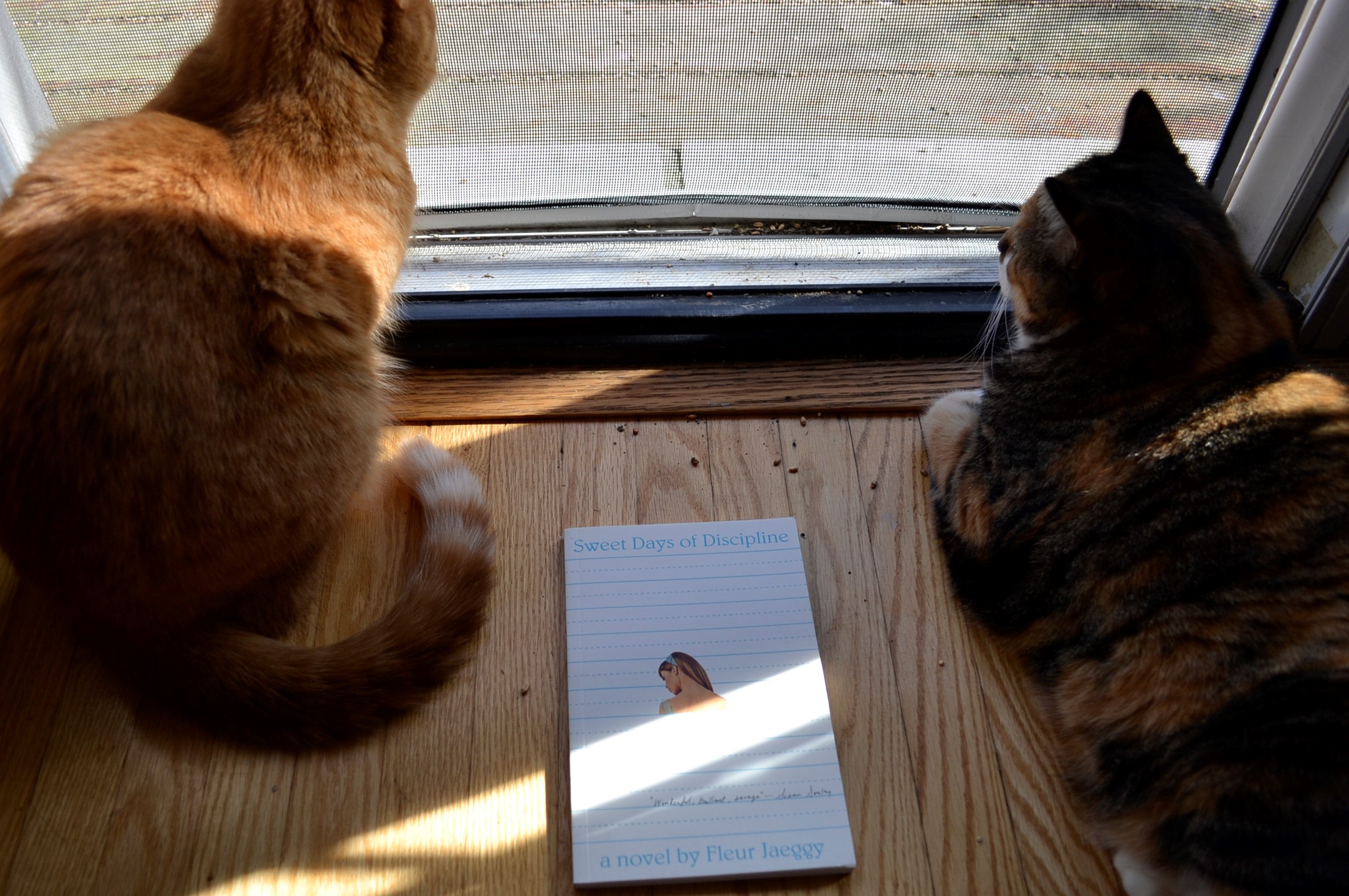
aeggy’s starkness has an edge almost of brutality. She doesn’t mince words, she doesn’t dance around what she is trying to say. A confidence and absolute assurance resonates in her work that I rarely see in other authors.
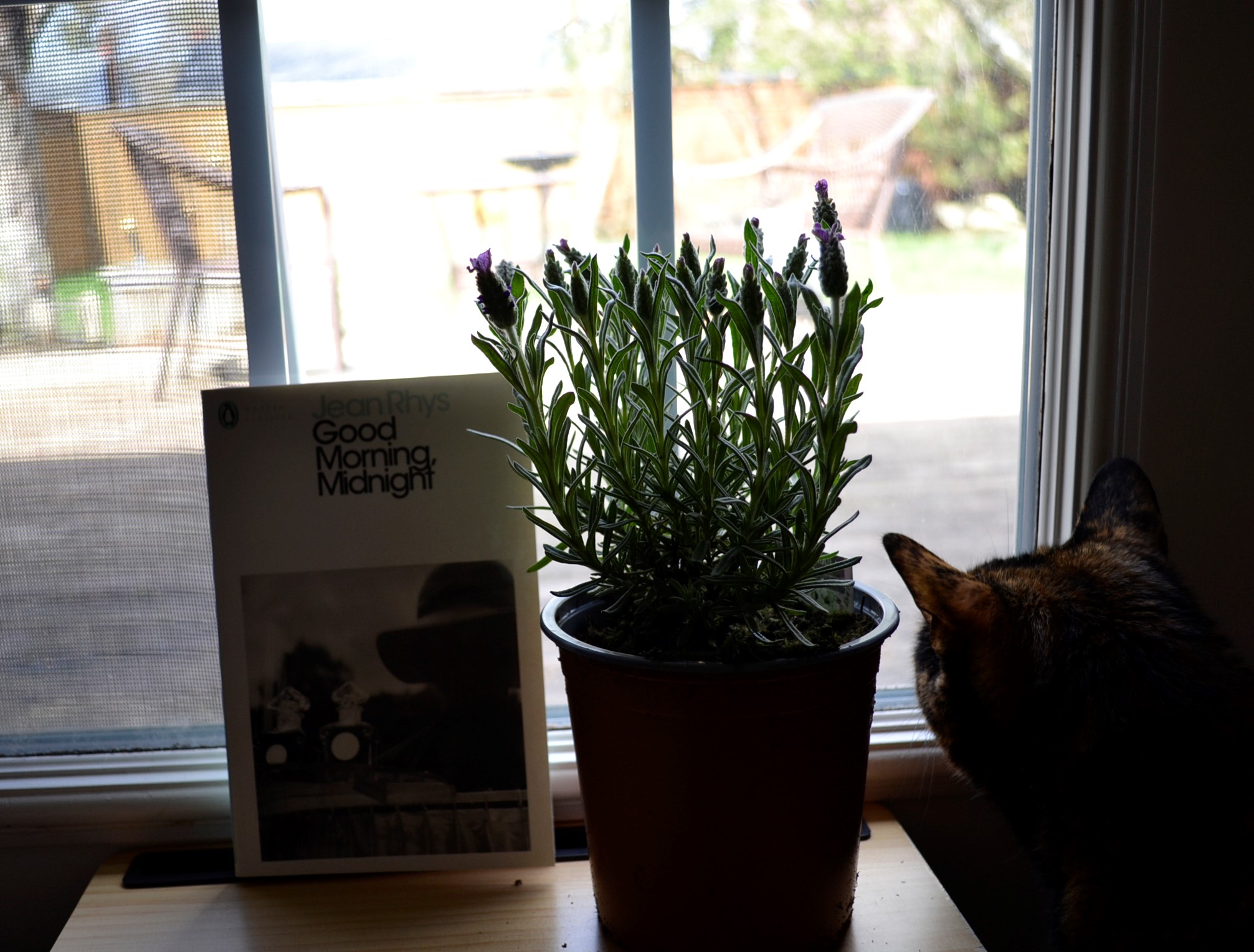
Rhys has achieved this intricate and difficult effect by the sheer force of the language she chooses and how she chooses to use it. The flow of Jansen’s thoughts is relentless — but in a quiet way that, instead of overwhelming the reader, immerses them.