Miracle on 34th Street

The film was released in 1947, and the book was published in the very same year and it was written by the same man who wrote the story for the film, Valentine Davies.
Antiquarian and Classic Book Reviews
Rusalka is a tortoiseshell cat, with beautifully brindled fur and a silly Groucho-Marx moustache. She’s bossy, chatty, and very, very lovey.
She was adopted at ten weeks old in September 2020 and is the youngest cat in our household. People warned us about ‘tortitude’ when we adopted her — and she does have attitude, but not nearly as much as we expected.
Rusalka hates to be picked up. Except when she wants onto your lap, then you have to pick her up. Any other time, and she will stick her legs and claws out and flail like you’re murdering her. She goes where she wants to go, and she might be a little bit spoiled.
But you are guaranteed to be Rusalka’s friend. This cat has always been friends with everyone. She is friends with the vet. After her shots, she will rub against the vet’s leg to remind them that they are still friends. She is friends with the service technicians who fix our furnace. And the plumber. And anyone who visits. And her sisters most of all. Rusalka even gets along with the famously anti-friends Jabberwocky.
She is very serious when she plays, whether that’s chasing a string or screaming before running after a felt bee thrown down the hallway. Her favourite toy is the bee on the string, but we don’t play that very often. When she catches the bee on the string, she bites down and growls and gets very, very serious about keeping what she has caught.
She’s the biggest, cuddliest Mama’s girl, and Hargrave rarely gets to lie down and read without Rusalka insisting on being put on her lap.
The film was released in 1947, and the book was published in the very same year and it was written by the same man who wrote the story for the film, Valentine Davies.
They are clothbound and beautiful with the perfect size of margins and type. Both books nestle into a sturdy slipcase with gold type and a full colour illustration of Sawyer tricking one of his peers into doing his chore for him, painted by Norman Rockwell.
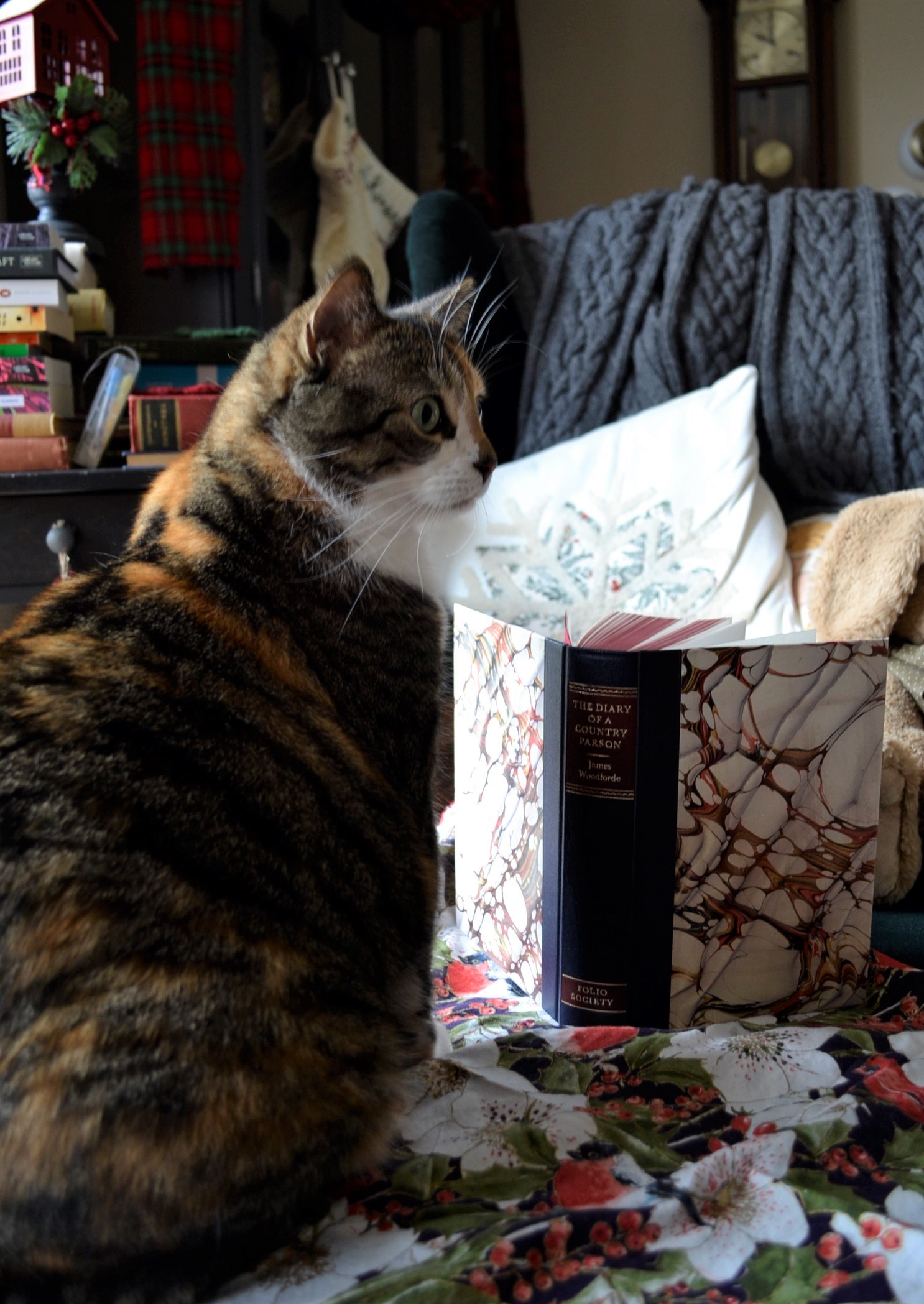
What I really loved about this diary was the sheer number of random facts that I learned about the late 18th century. Things like when umbrellas first came into use, or the fact that sometimes visits and dinners were postponed due to the lack of a moon to illuminate the roads.
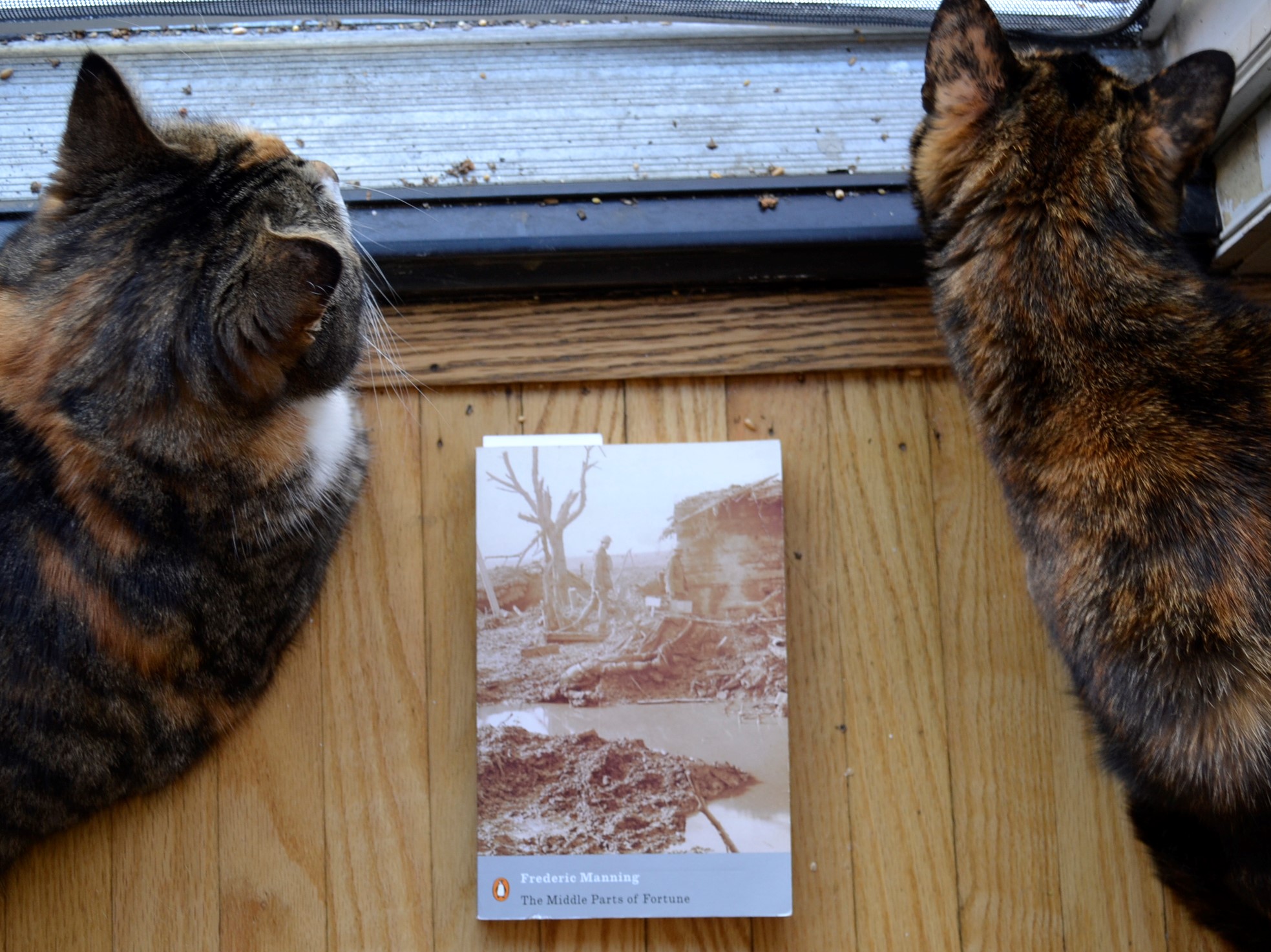
The Middle Parts of Fortune was published anonymously in 1929, only to be censored and re-issued as Her Privates We in 1930. I’m always on the lookout for good fiction around WWI, so I was excited to find this book on one of our trips to a small used bookstore for my birthday a few months ago.
It turns the audience into an eavesdropper, listening to thoughts said aloud when a character is alone.
Don’t Read This! features scary stories from authors of diverse backgrounds from Zimbabwe to Japan to Spain. The stories strike many different notes as well from very scary to nearly humorous.
It’s surprising that her name seems mostly lost to time — like the grand majority female writers of the Victorian era. What makes it more of a tragedy in Oliphant’s case is that her work is quite good — even better than a lot of writers whose names I’ve seen on the more mainstream ghost story anthologies.
Tišma makes death a haunting presence, coming in and out of focus, receding and approaching. It is always there and always palpable, and is never far away.
The play is three acts and at its core is about lost potential and the regrets that follow it. To some extent it is also about the corruption and power dynamics that can flourish in academia.
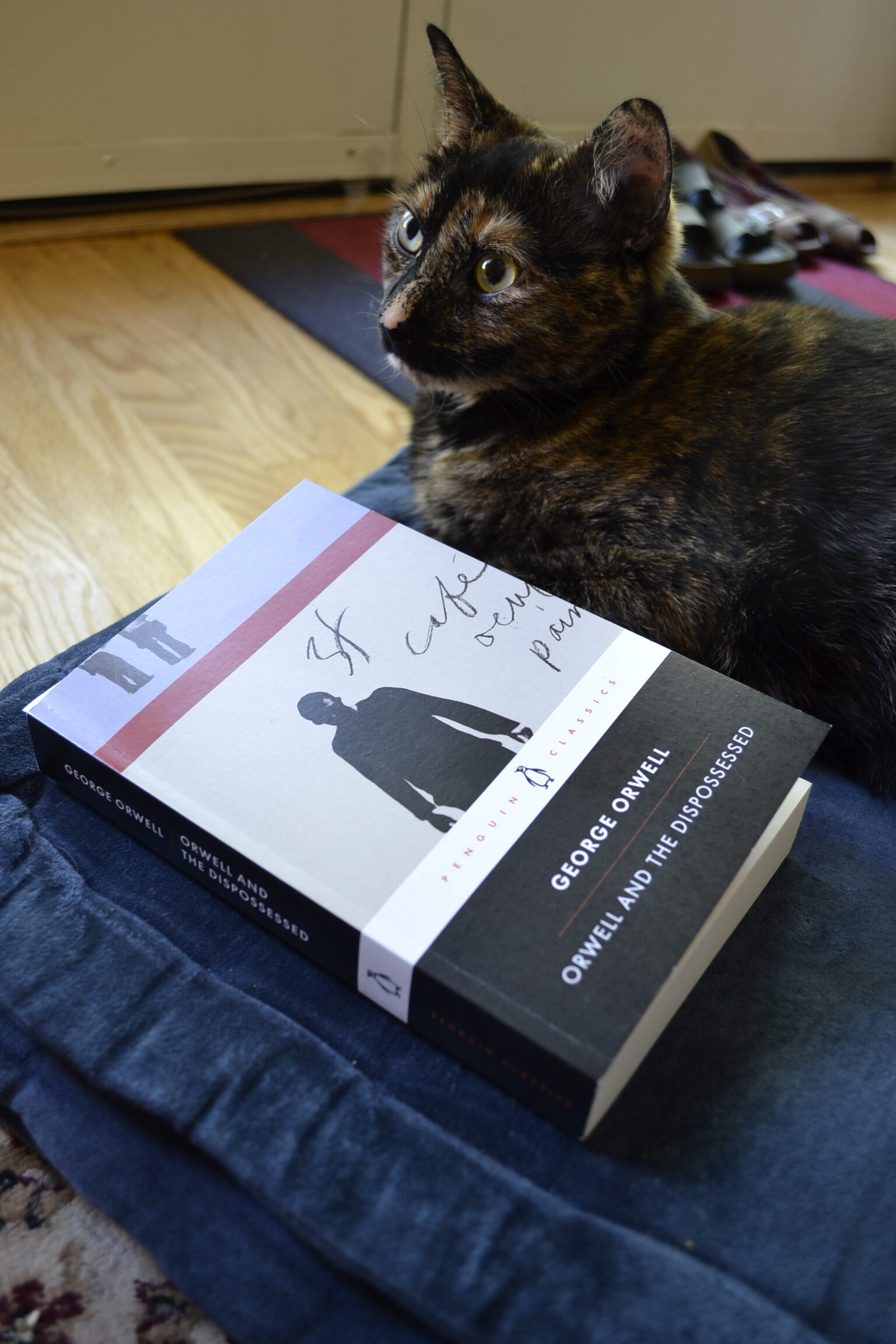
Orwell and the Dispossessed takes the reader beyond 1984 and Animal Farm and emphasizes that Orwell was a diverse and talented writer that had a lot to say and cut the reader to core at the same time as making them think.