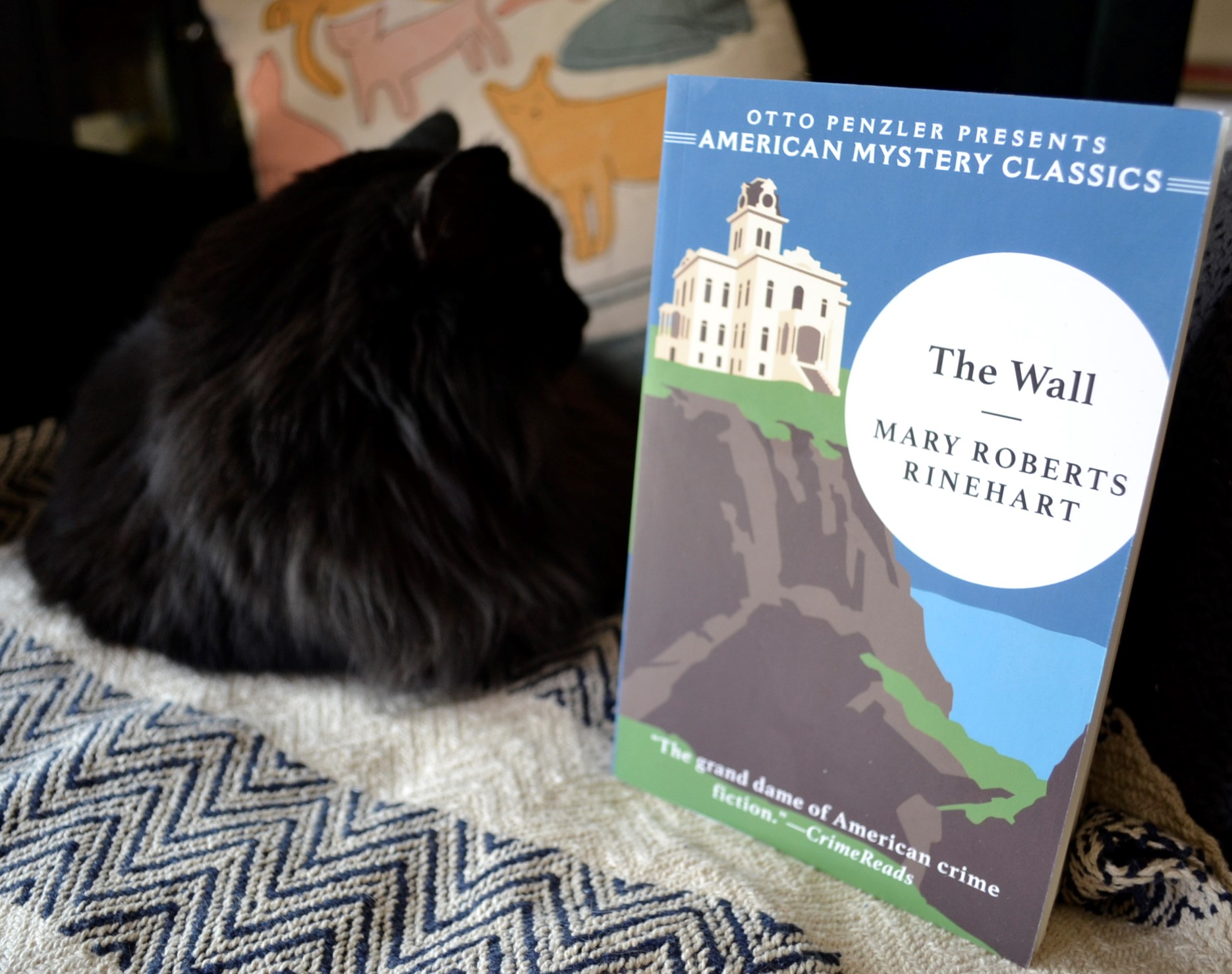
The Wall
The pace is nearly perfect, and the author is a master at giving just enough information and placing clues and events in the right places to keep the reader turning pages.
Antiquarian and Classic Book Reviews
The interwar period spanned from 1918 (the end of World War I) to 1939 (the beginning of World War II, starting with the invasion of Poland). Works of this period deal with a variety of new themes — including the political and social aftermath of WWI, the economic boom of the Roaring Twenties, the economic crash of the Great Depression, the rise of Hollywood, the rise of Communism and Fascism on a world-wide scale, and the changing place of women in the world (suffrage).
You are viewing Interwar reviews.
You can view all other eras/movements, or you can search by language/region, genre, editor/translator, book authors, or year of edition.
The pace is nearly perfect, and the author is a master at giving just enough information and placing clues and events in the right places to keep the reader turning pages.
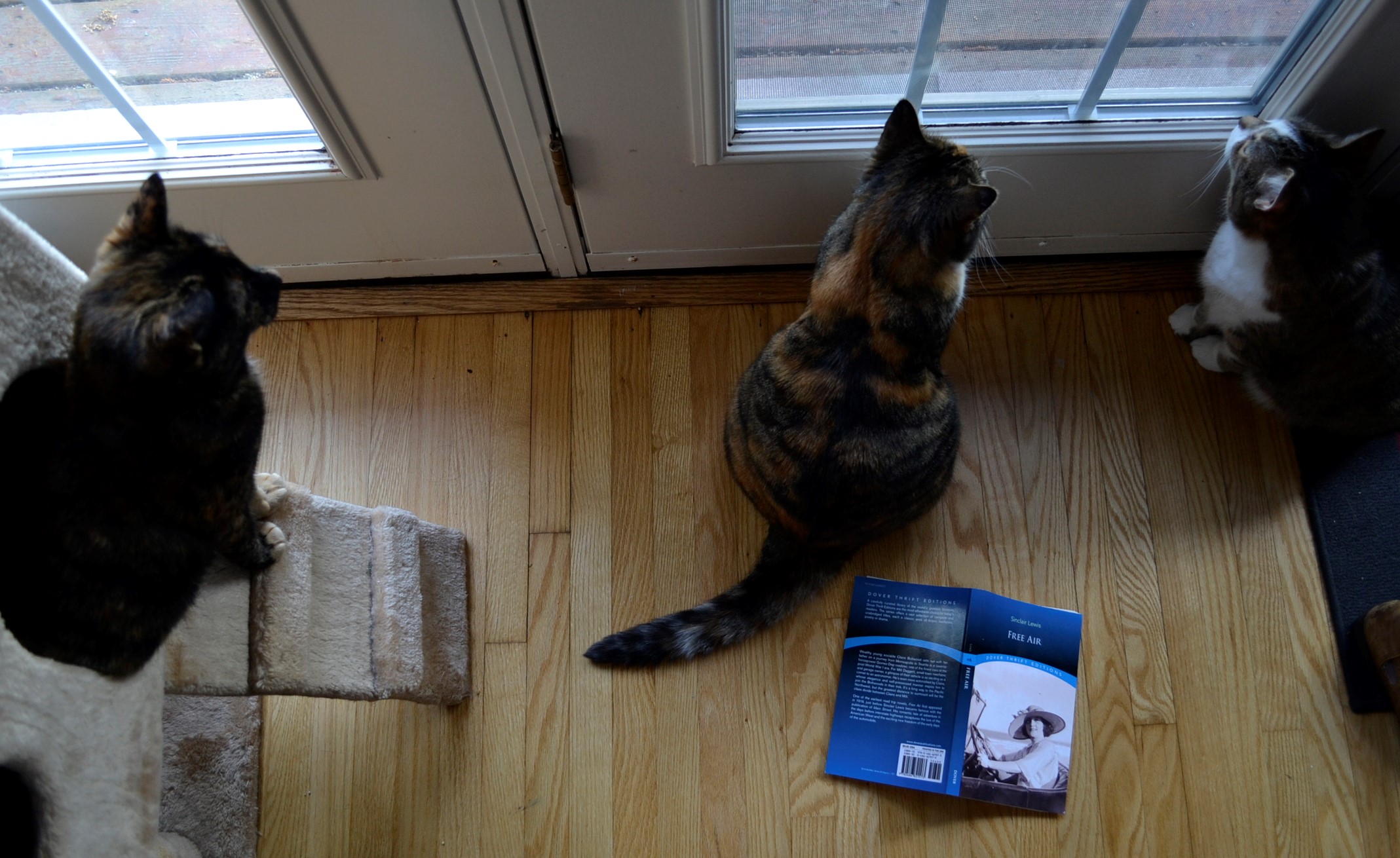
Claire Boltwood is on such a trip across the country — driving herself and her father from Minneapolis to Seattle in a very nice car on some not very nice roads. Lewis describes not just the scenery but also the reality of flat tires, car repairs, getting stuck in mud, and unpleasant hotels.
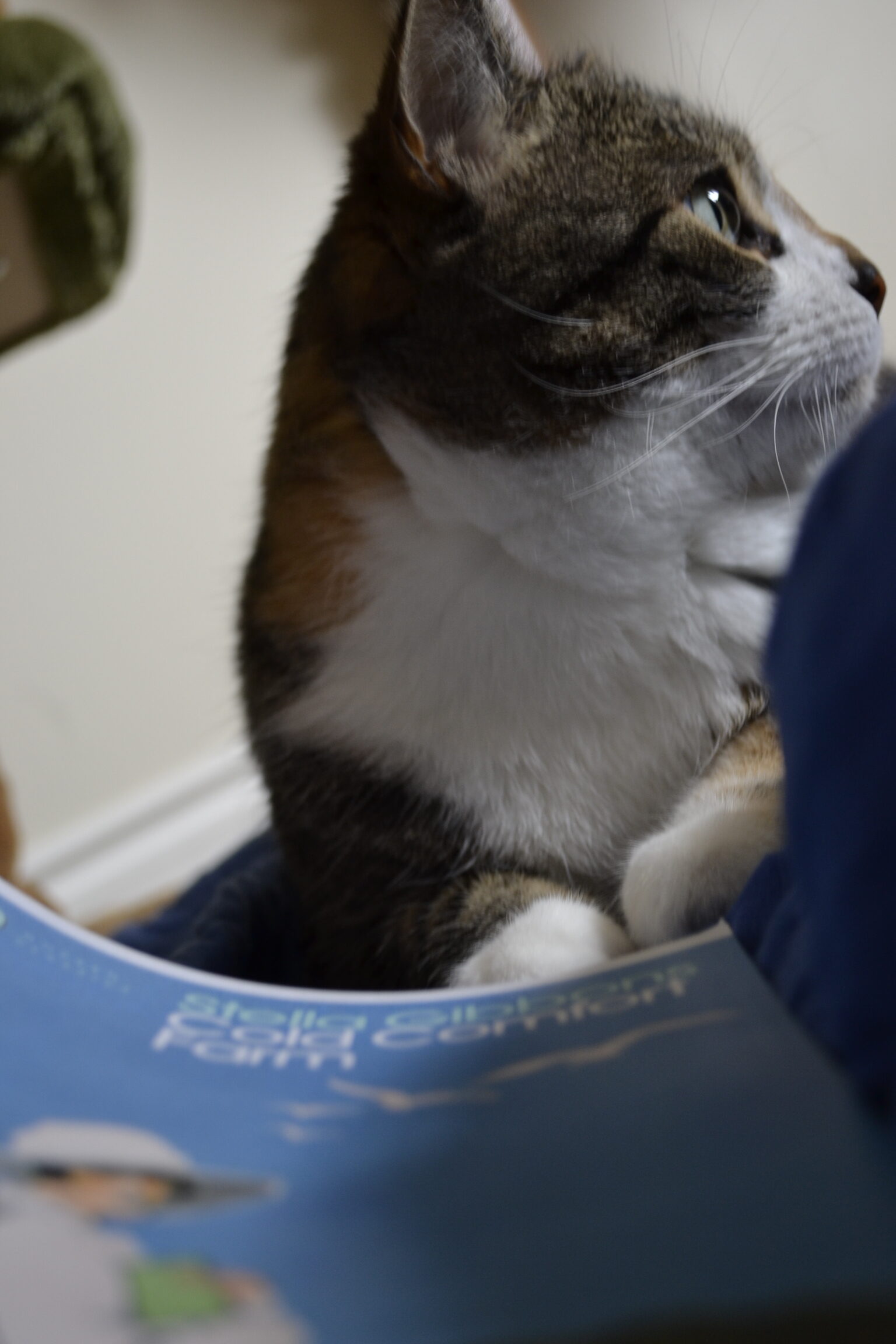
What follows is a light-hearted escapade through the tropes and clichés of rural melodramas complete with a happy ending and a lot of jokes at the expense of 1930s high society and their ideas about farming and the poorer classes. This is a review of Stella Gibbons’ Cold Comfort Farm.
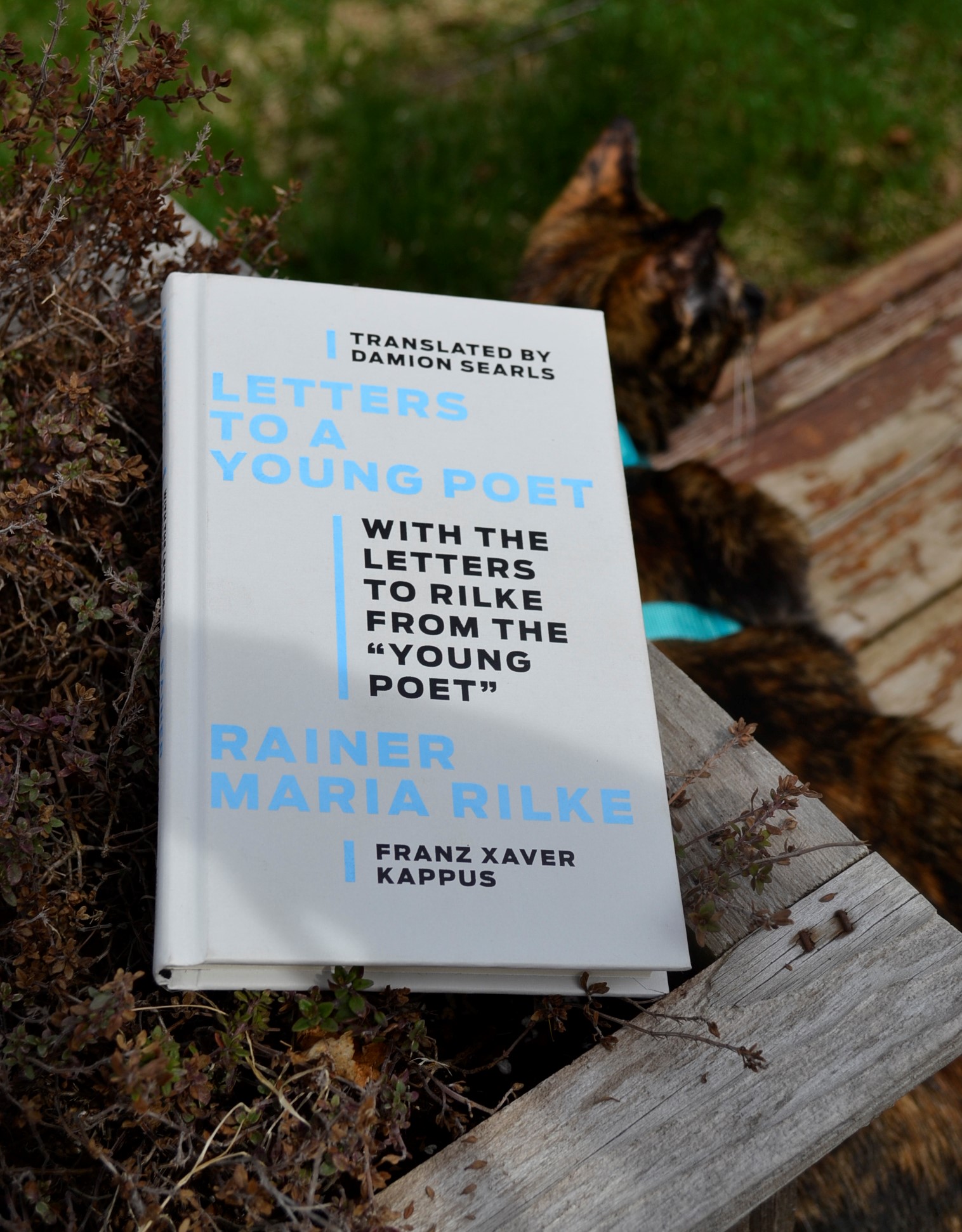
Reading correspondence is not quite the same as reading a novel, obviously, but it can be just as valuable when it comes to understanding a writer, their work, literature of the period, or the general customs of the time period. Writers writing about writing can be a very enlightening read. This is a review of Letters to a Young Poet.
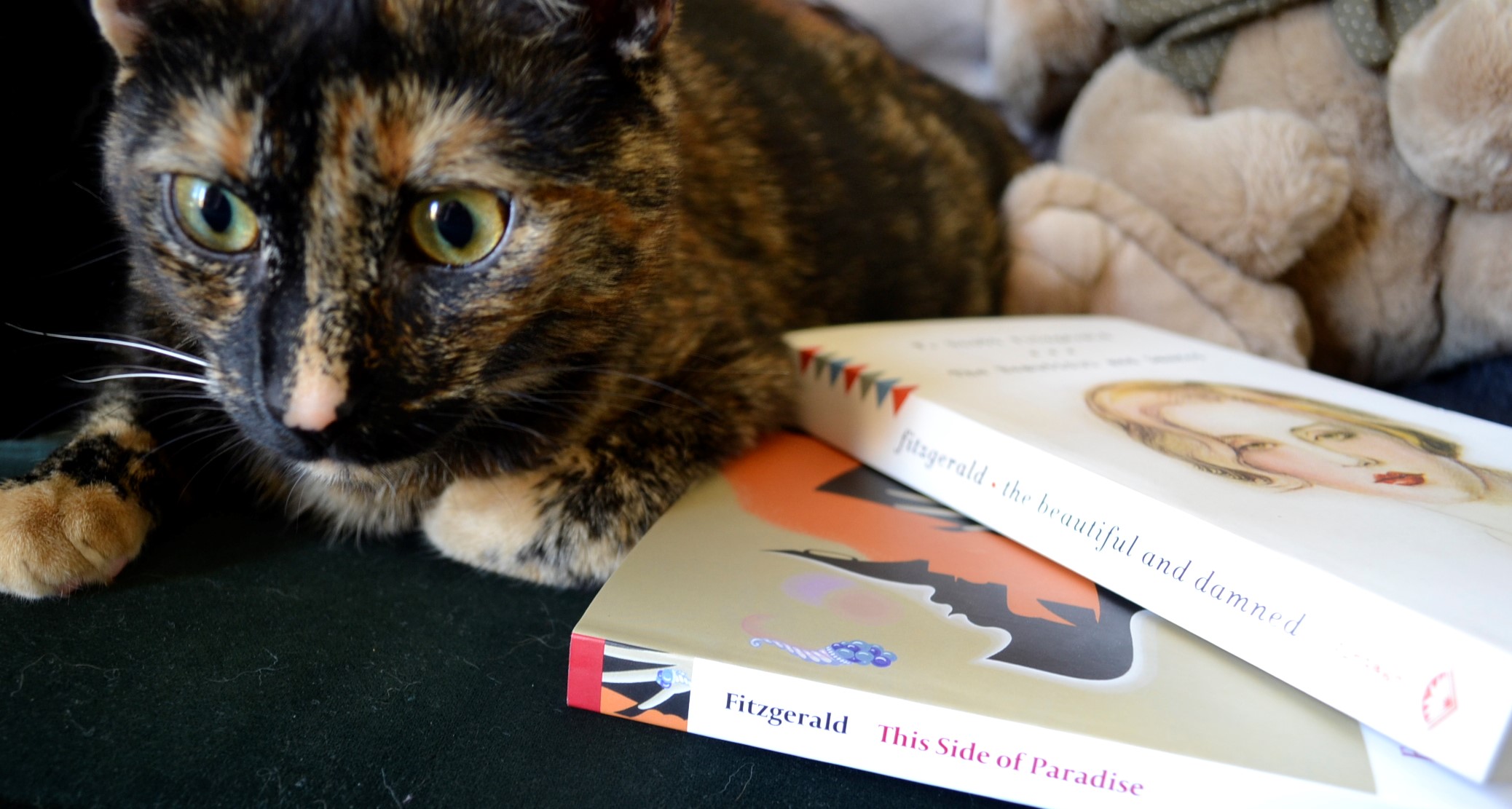
This week I’ve decided to write a double review since both books are by the same authors and both are at least semi-autobiographical. This is a review of two books about the Fitzgeralds: This Side of Paradise and The Beautiful and Damned.
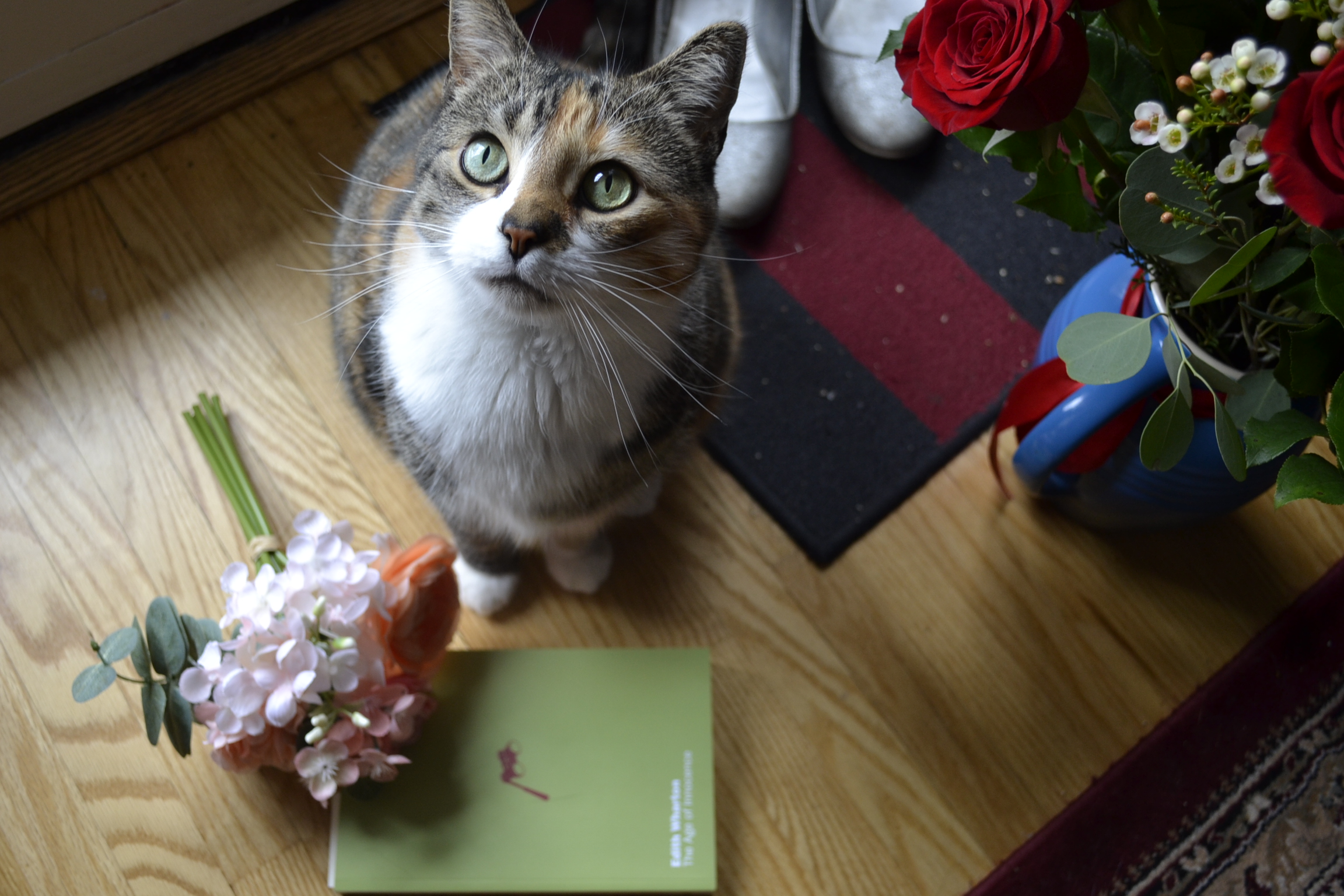
There’s been a lot of analysis on the character of Madame Olenska, but in my opinion it’s in the writing of a character like May Welland that truly shows how masterful writing. This is a review of Edith Wharton’s The Age of Innocence.
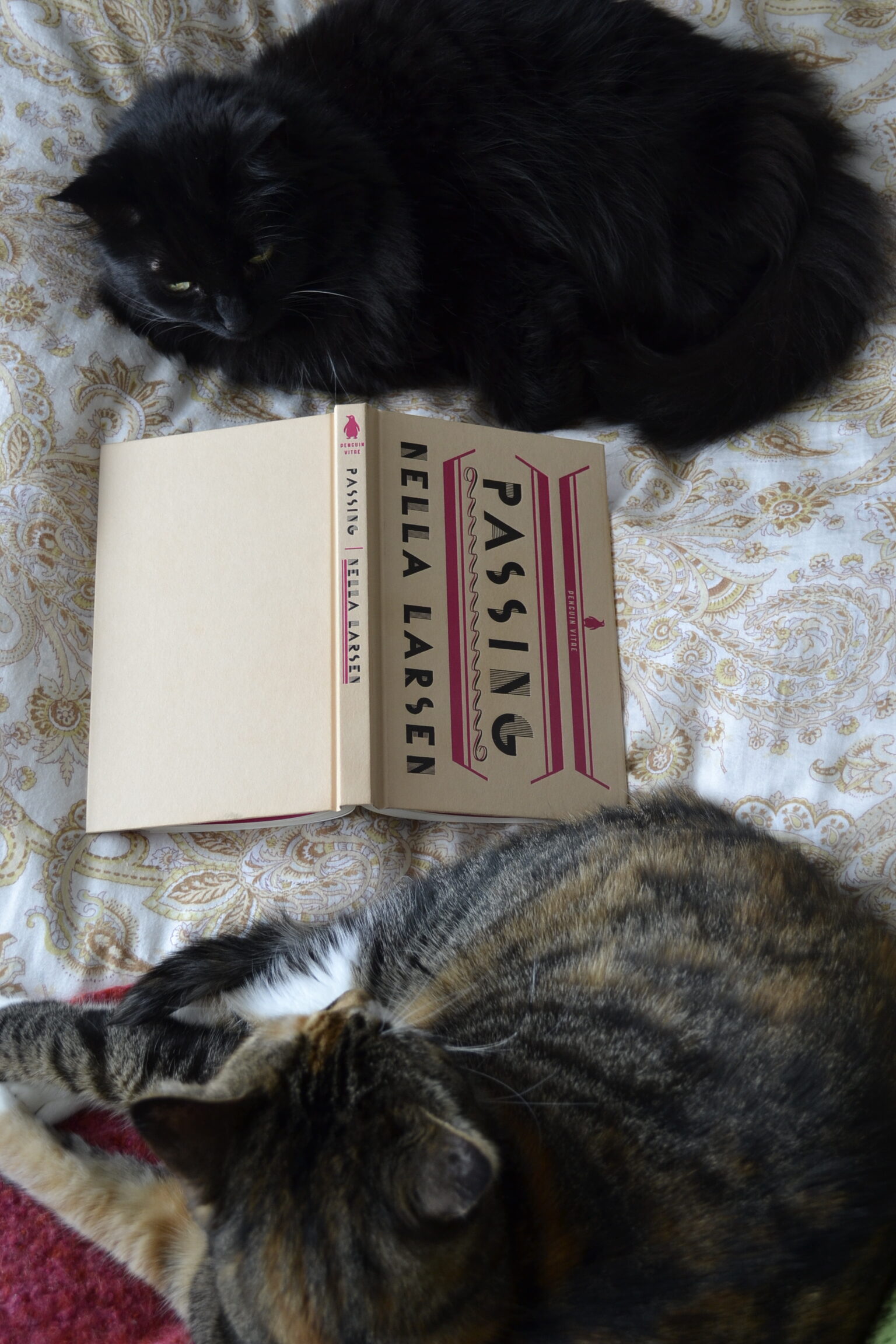
It’s a short, but compelling novel that is masterfully written for maximum impact. Larsen’s prose is incisive, blunt, and yet at the same time has a poetic flow and keeps the narrative driving forward smoothly but quickly. A perfect one-afternoon read. This is a review of Passing.
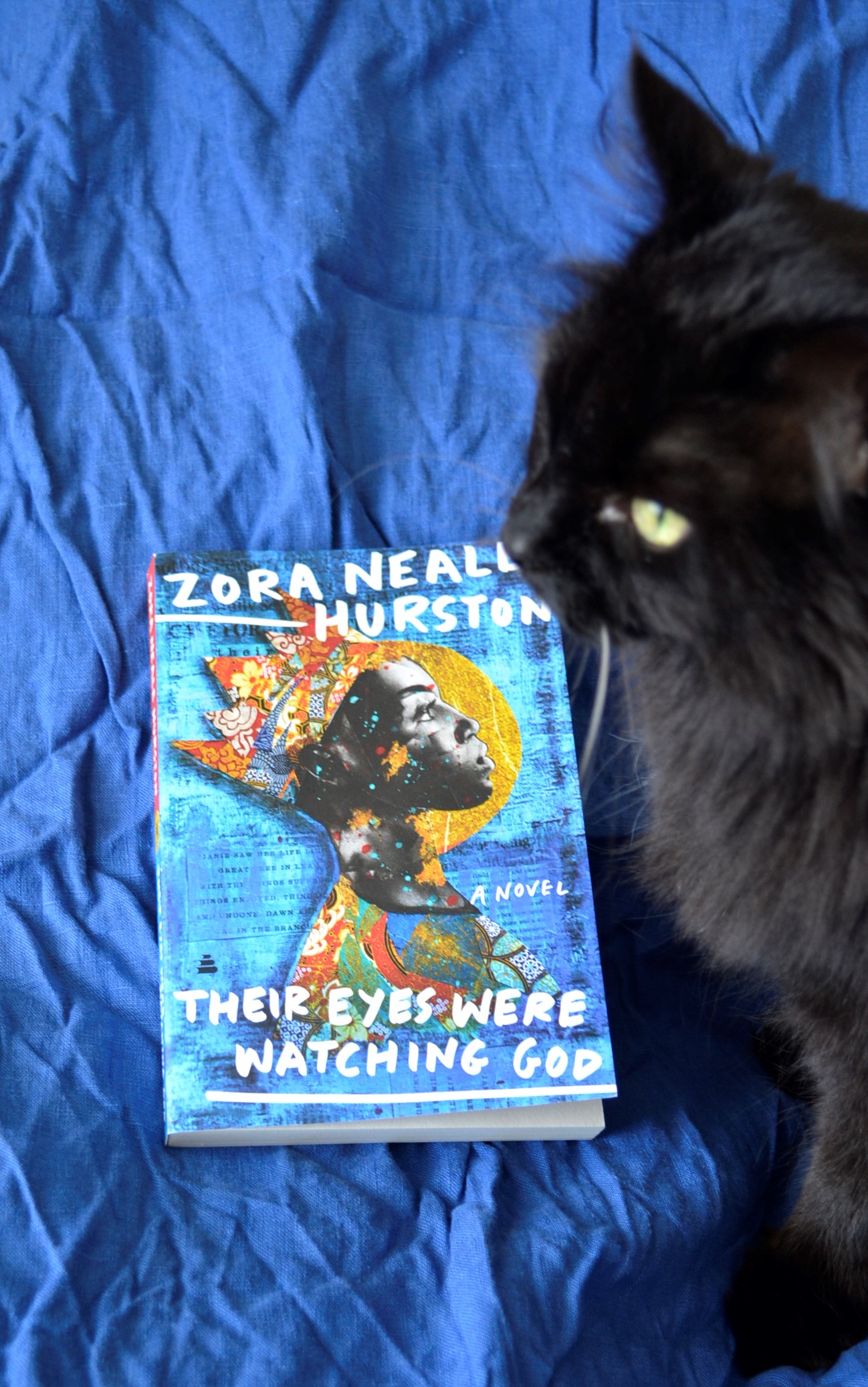
The art of good, compelling dialogue is as essential as it is elusive. In this book, the words and conversations flow out in a smooth, natural way and with a language that is never awkward or forced. This is a review of Zora Neale Hurston’s Their Eyes Were Watching God.
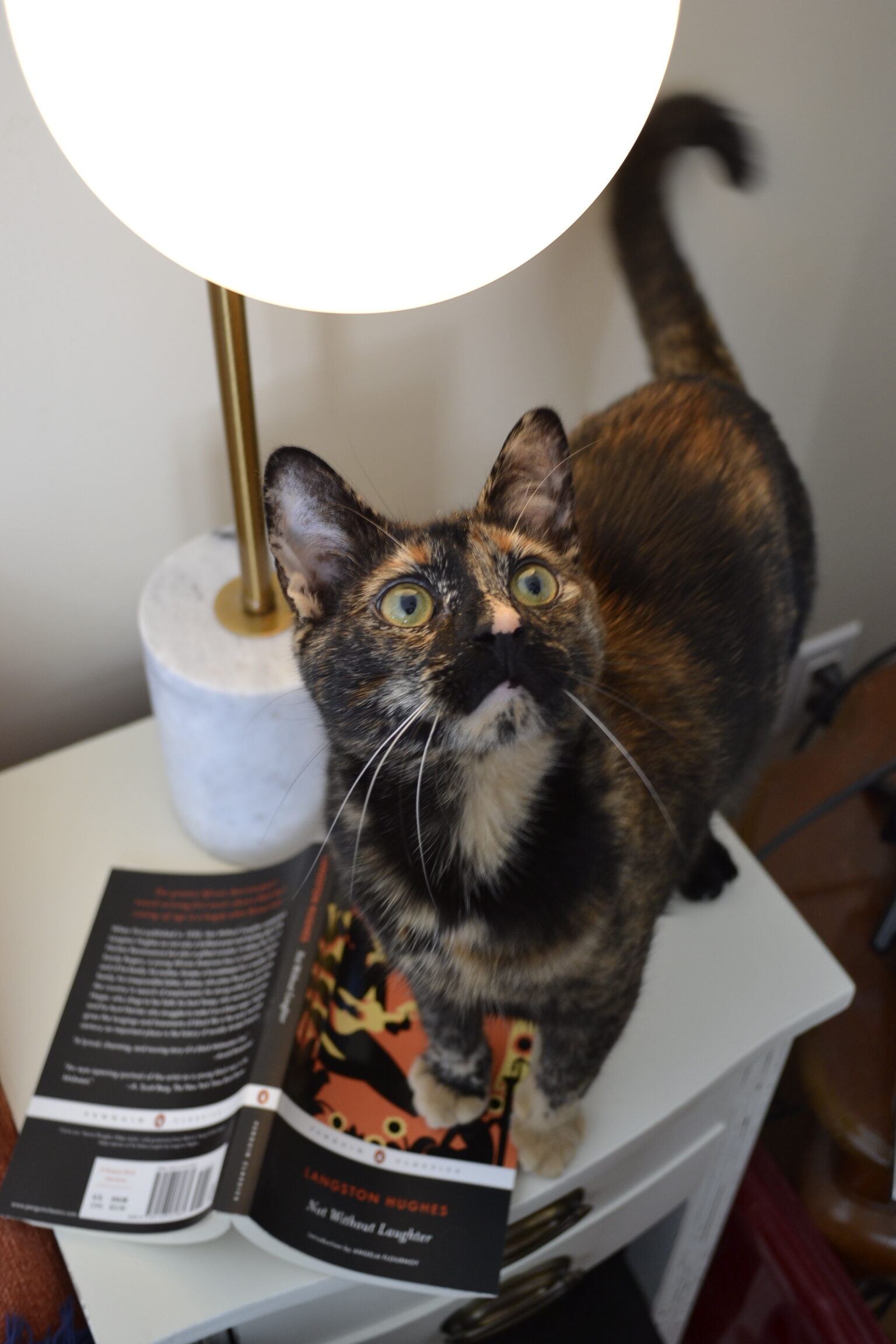
This is narrative about trying to find a place of belonging in the midst of a society that is alienating and cruel and has festered hatred not just between races but amongst families, dividing individuals from each other and parts of themselves. This is a review of Langston Hughes’ Not Without Laughter.
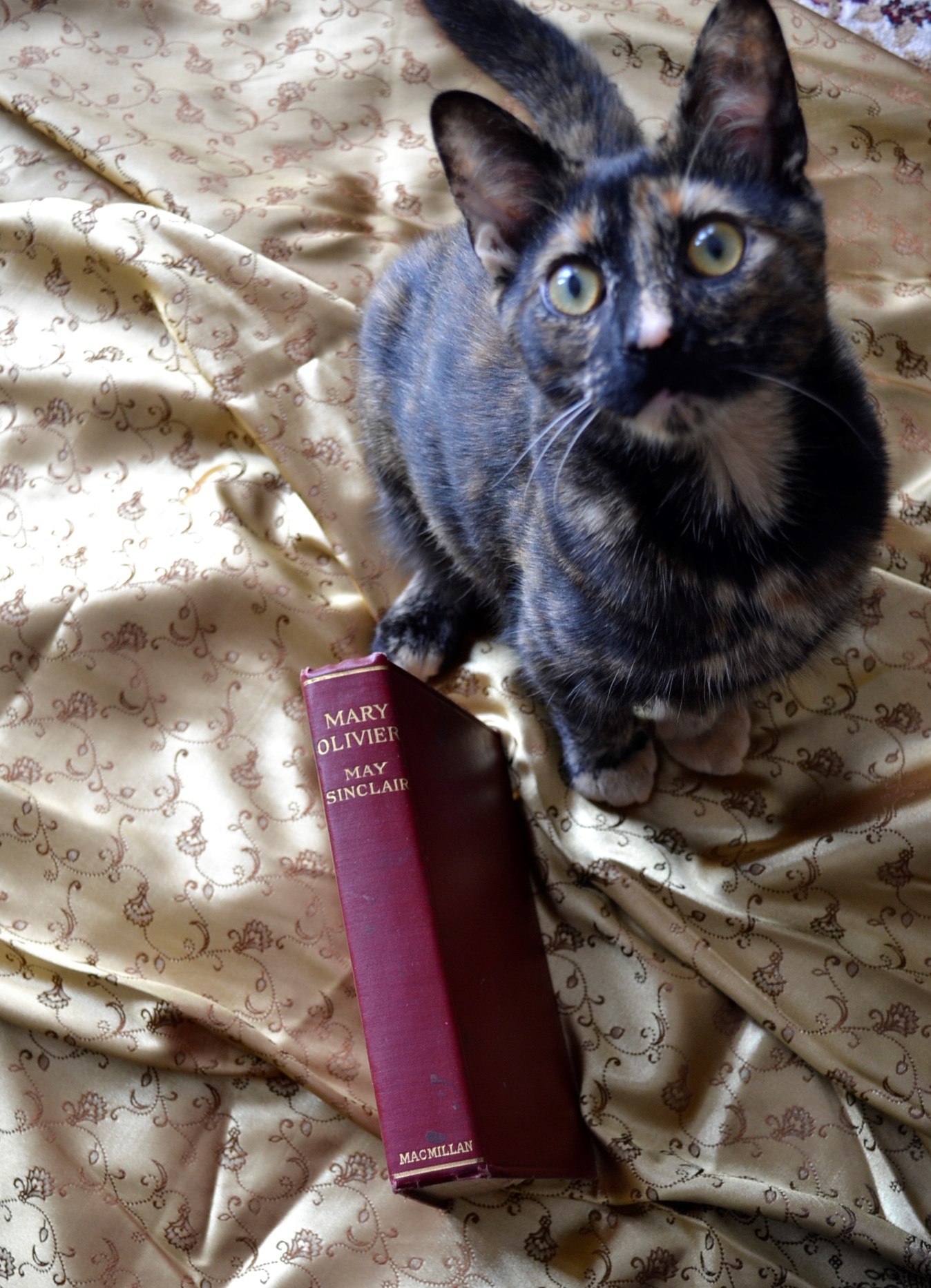
Sometimes when the New Year is young, it’s easy to look back on other times of transition. I know a lot of fiction describes a moment where suddenly one transitions from childhood to adulthood, but I think the reality is that childhood ends in a series of moments, realizations, and formative events. This is a review of May Sinclair’s Mary Olivier. The book is a 1919 first edition.