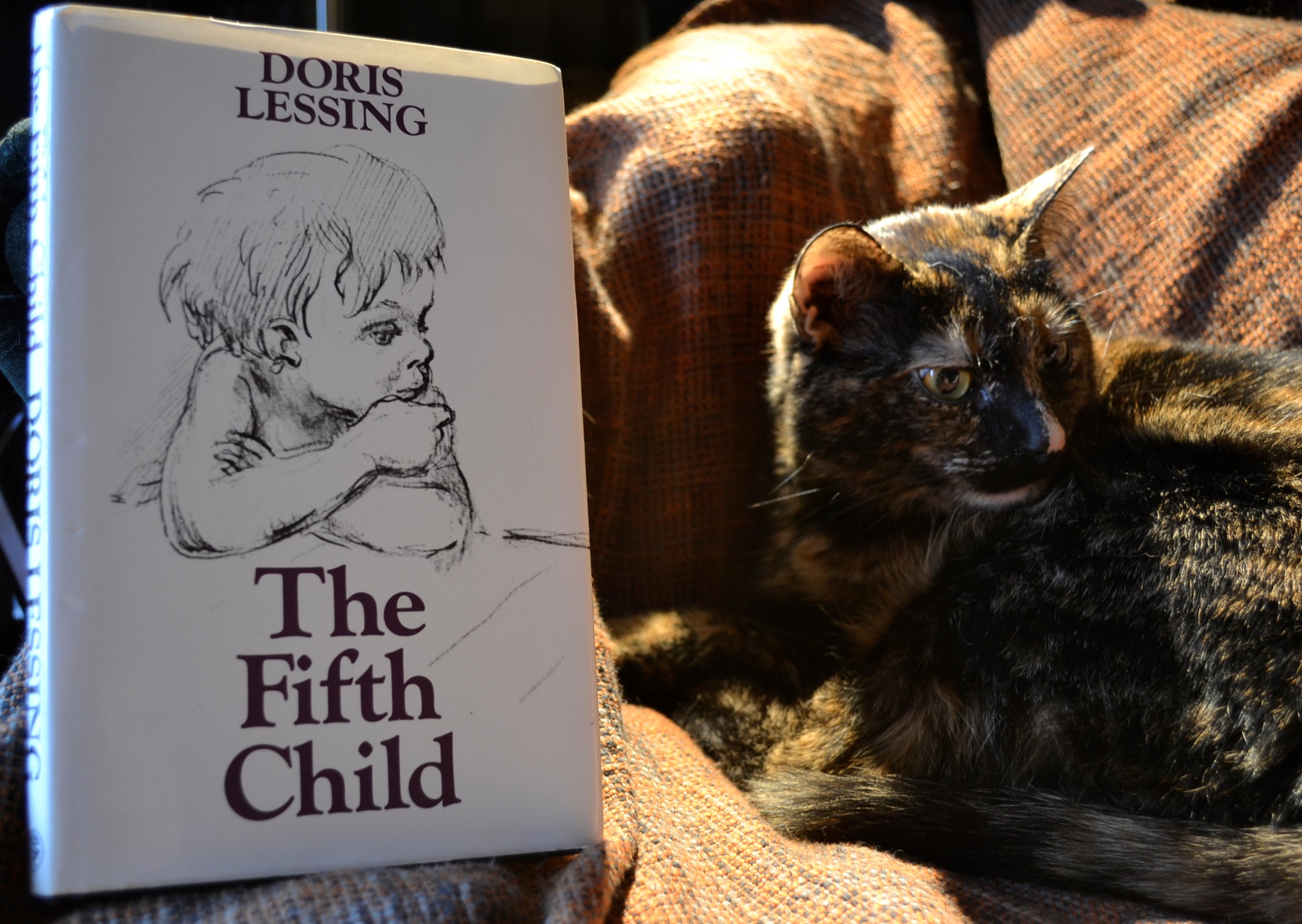
The Fifth Child
One things about horror is that it can be a bit loud or garish in the way it delivers the message is seeks to convey. Lessing doesn’t do this.
Antiquarian and Classic Book Reviews
Books written by British, Irish, and Scottish authors from the United Kingdom. Usually written in English.
You are viewing UK authors.
You can view all languages/regions, or you can search by editor/translator, genre, era/movement, book authors, or year of edition.
One things about horror is that it can be a bit loud or garish in the way it delivers the message is seeks to convey. Lessing doesn’t do this.
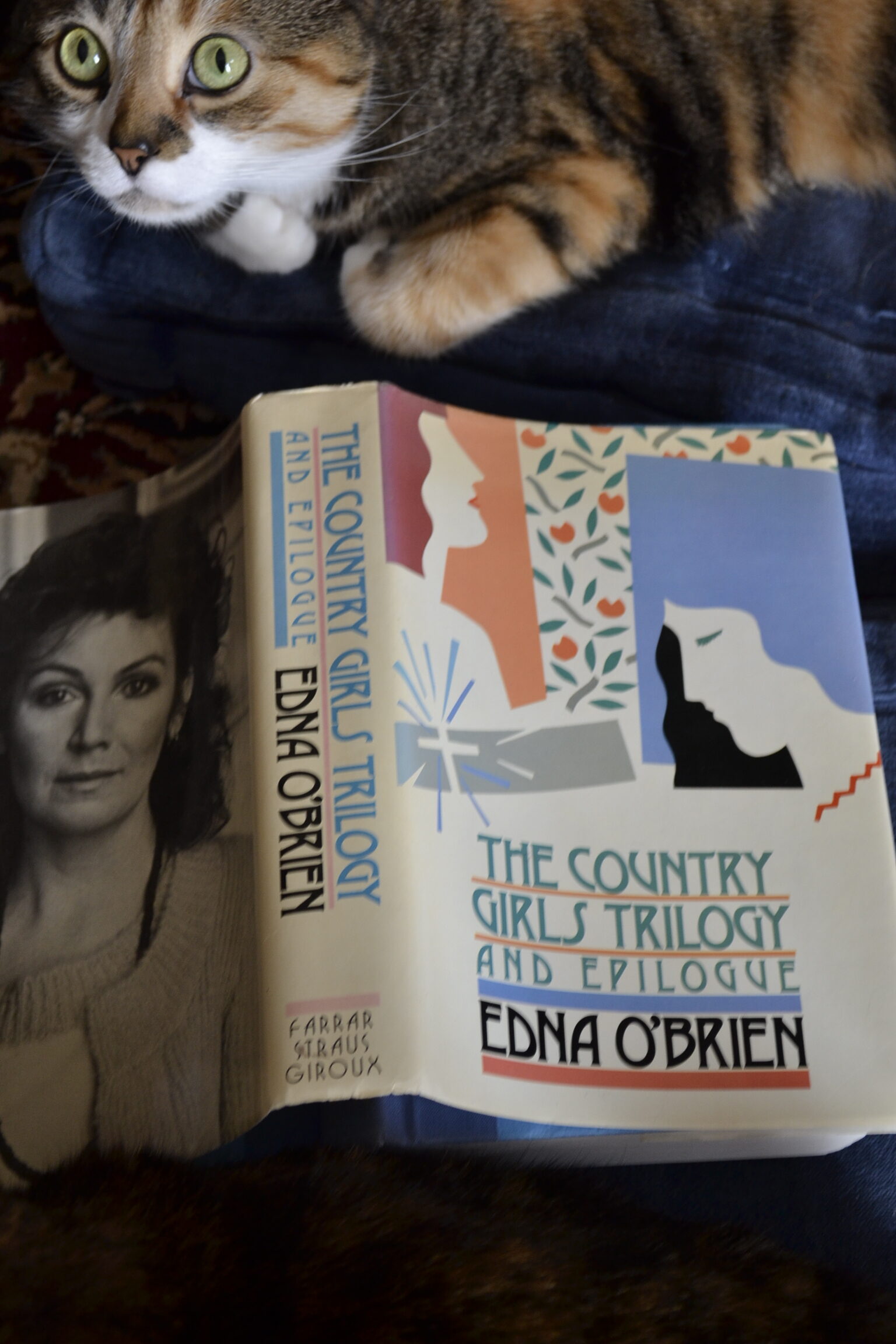
Though the inside flap copy describes the trilogy as ‘Dickensian’, I have to disagree with that description. There’s a reason these books were censored in Ireland when they were first published and implying that these books have any ‘quaintness’ of tone is really not capturing what O’Brien is attempting to say.
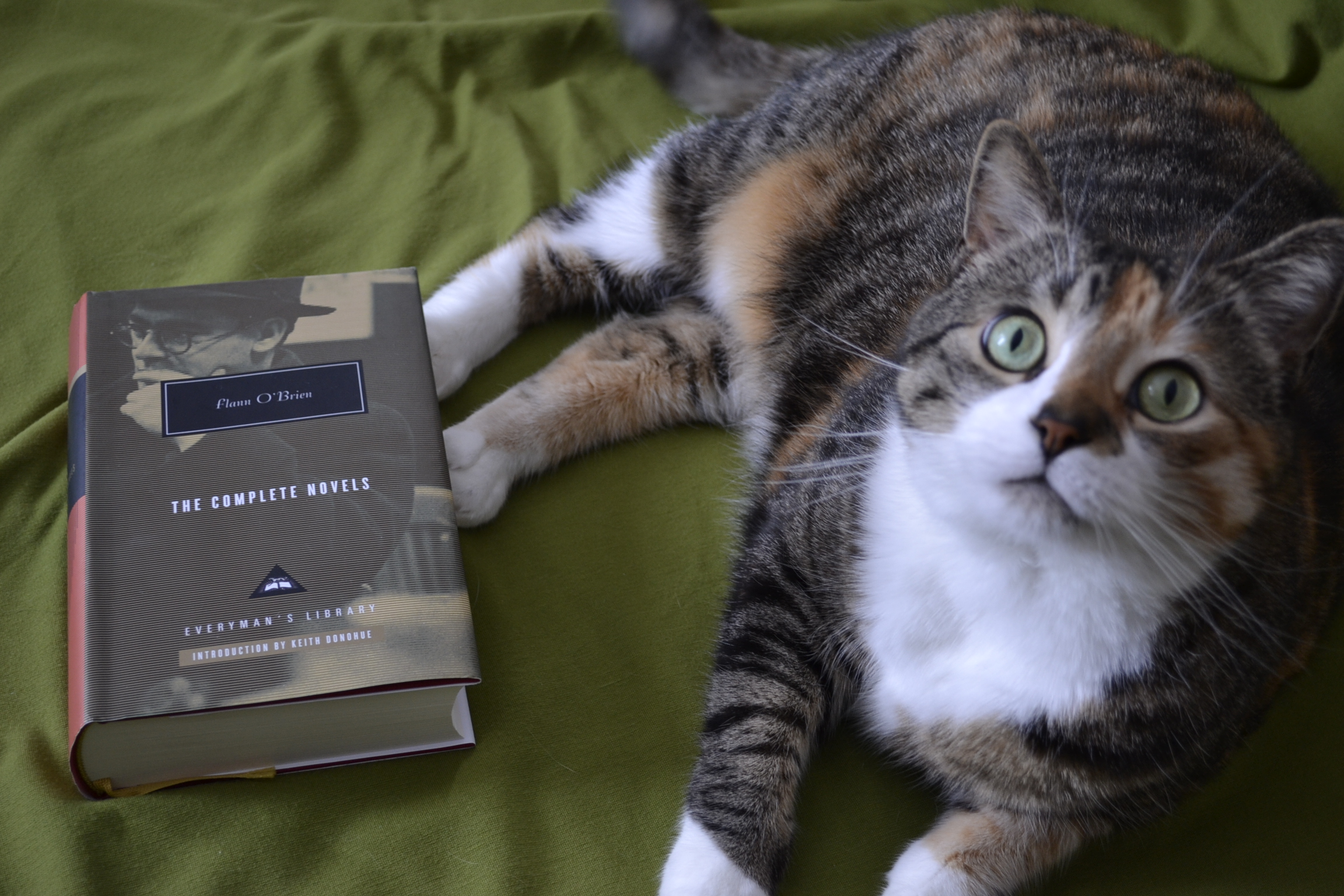
Each novel is a different exploration and comment on Irish culture, but each is written in a style that is uniquely O’Brien’s. He has a talent for bitter, scathing satire that sits in the midst of light, often comic prose.
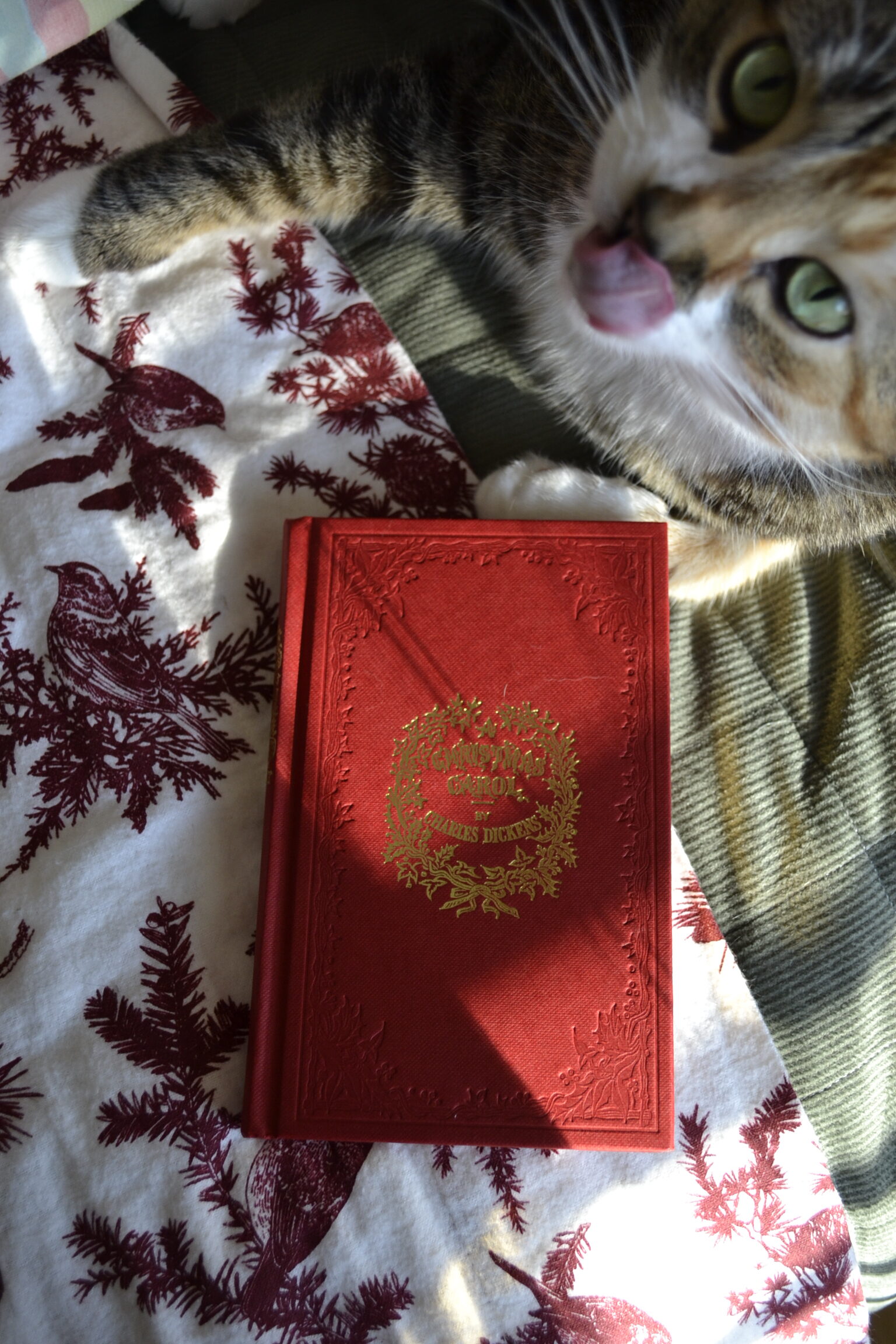
The story is one that has been told so many times, but it’s one that has long withstood the test of time. In fact, it’s hard to believe that A Christmas Carol is nearly 200 years old.
The collection isn’t exactly Christmas-y per se, but all the same the holiday spirit is there in the sense that this book is truly meant to be shared. It’s meant to be read aloud or in tandem and laughed over. It’s meant to bring book people onto the same page, and bring them together.
What I really loved about this diary was the sheer number of random facts that I learned about the late 18th century. Things like when umbrellas first came into use, or the fact that sometimes visits and dinners were postponed due to the lack of a moon to illuminate the roads.
The Middle Parts of Fortune was published anonymously in 1929, only to be censored and re-issued as Her Privates We in 1930. I’m always on the lookout for good fiction around WWI, so I was excited to find this book on one of our trips to a small used bookstore for my birthday a few months ago.
It turns the audience into an eavesdropper, listening to thoughts said aloud when a character is alone.
It’s surprising that her name seems mostly lost to time — like the grand majority female writers of the Victorian era. What makes it more of a tragedy in Oliphant’s case is that her work is quite good — even better than a lot of writers whose names I’ve seen on the more mainstream ghost story anthologies.
Orwell and the Dispossessed takes the reader beyond 1984 and Animal Farm and emphasizes that Orwell was a diverse and talented writer that had a lot to say and cut the reader to core at the same time as making them think.