Unusual Fragments
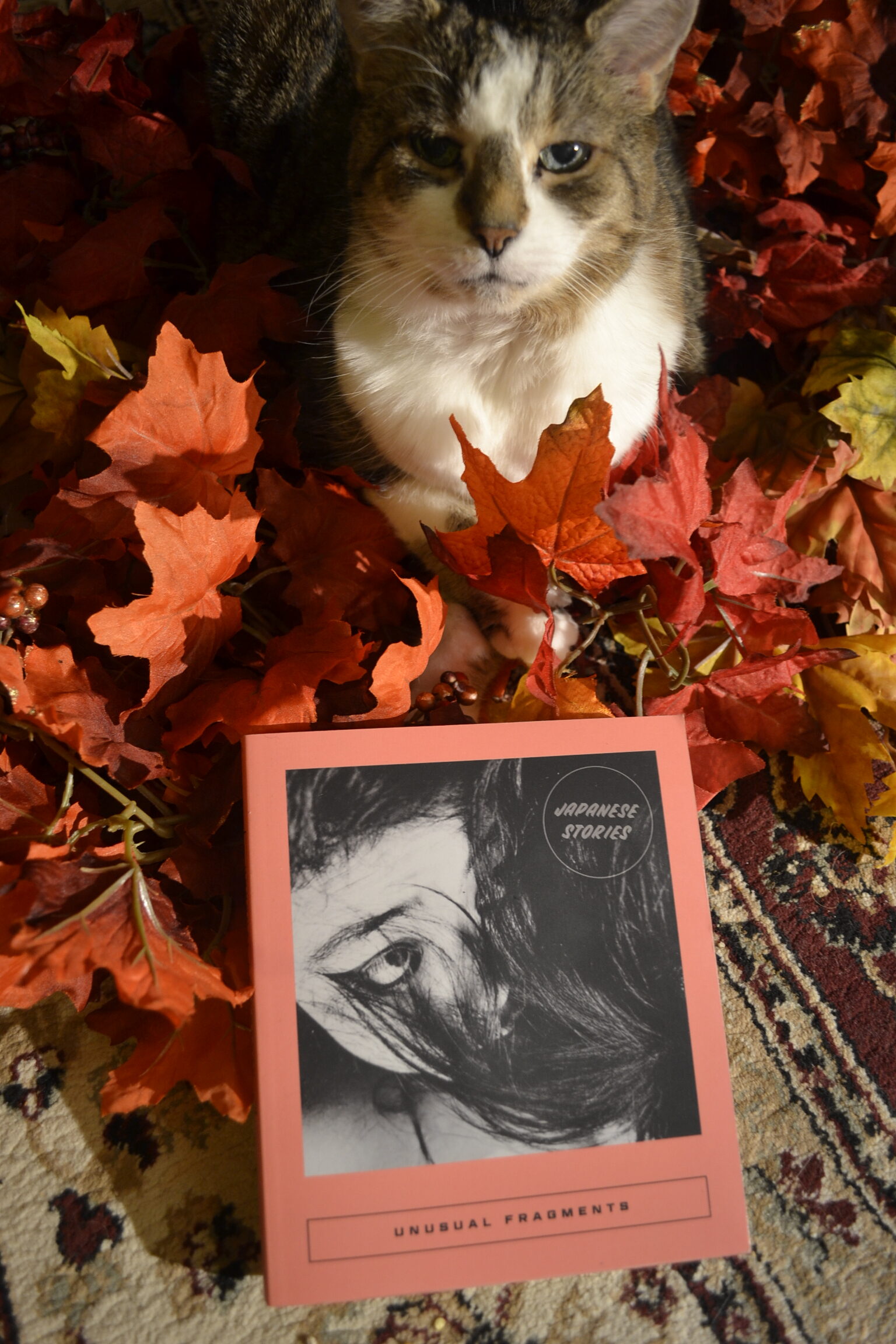
I’m including Unusual Fragments as a spooky selection because all of these stories share some aspect of the unusual and arguably supernatural — or at least just plain eerily weird.
Antiquarian and Classic Book Reviews
Books written by Japanese authors. Usually written in Japanese.
You are viewing Japanese authors.
You can view all languages/regions, or you can search by editor/translator, genre, era/movement, book authors, or year of edition.
I’m including Unusual Fragments as a spooky selection because all of these stories share some aspect of the unusual and arguably supernatural — or at least just plain eerily weird.
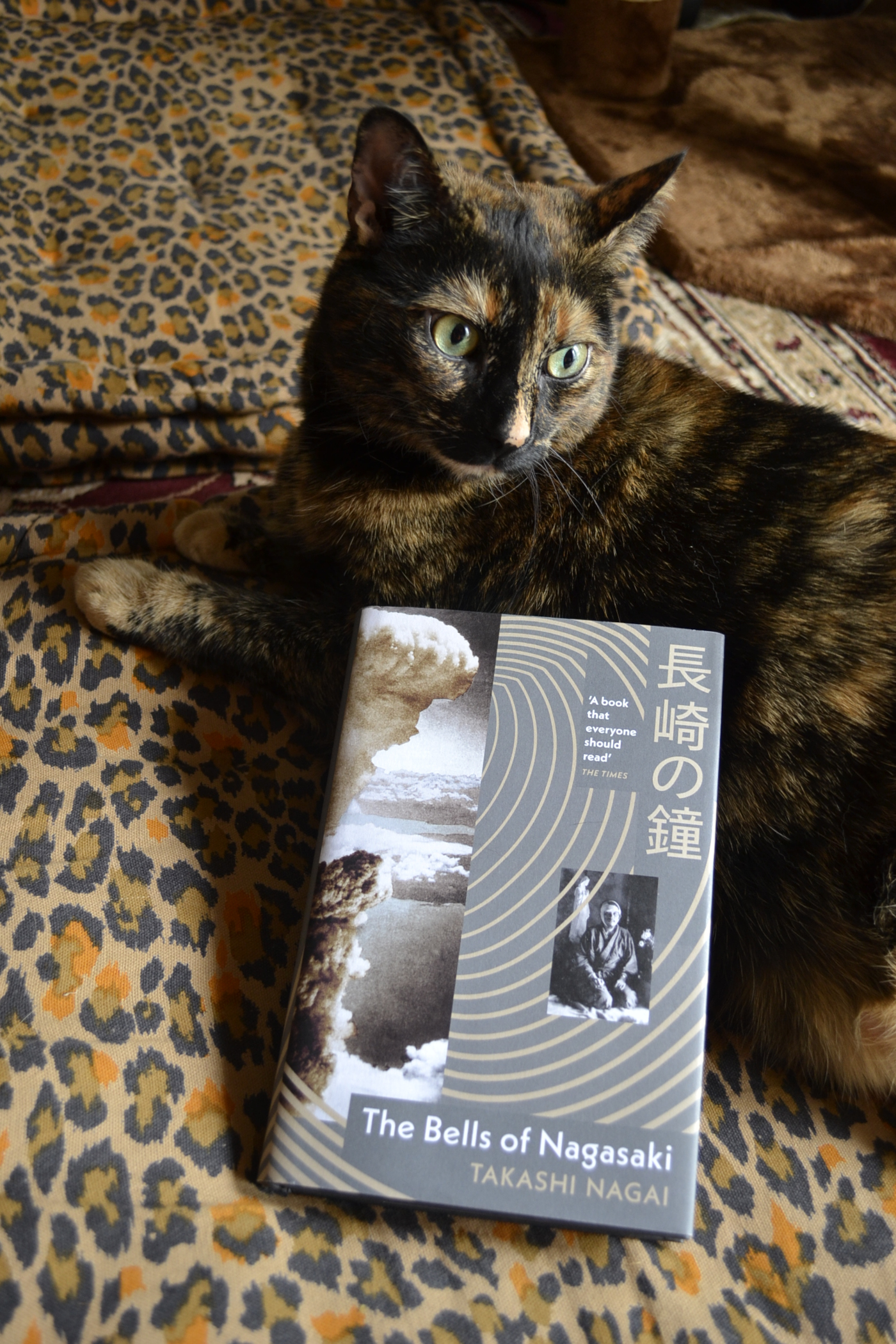
His account of the bomb is written from the view of the survivors, focusing primarily on those that worked or were studying at the hospital.
I do love a short novel. Not only do they reliably help me out of even the most prolonged of reading slumps, but short novels are where writers really shine. It takes a lot of skill to craft a narrative that is tight but still full of intent and power.
When you read these stories, it’s easy to start looking for threads of his eventual fate or at least the mental state that led to it. Are they there? Yes, but they are subtle.
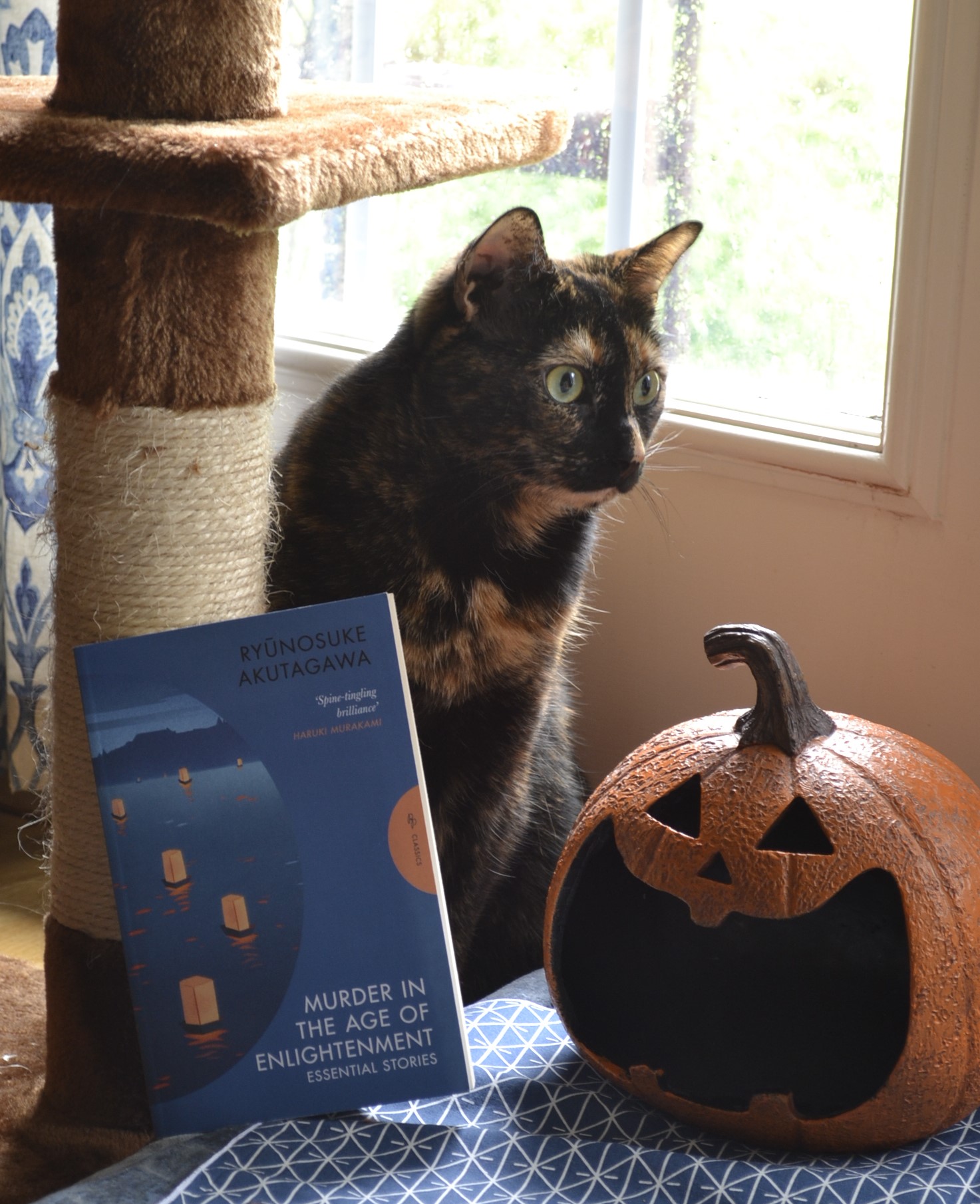
Though the subjects are varied, what remains is Akutagawa’s beautiful starkness and his precise use of prose. There is the feeling that cutting one word would be impossible, but adding one would be a shame.
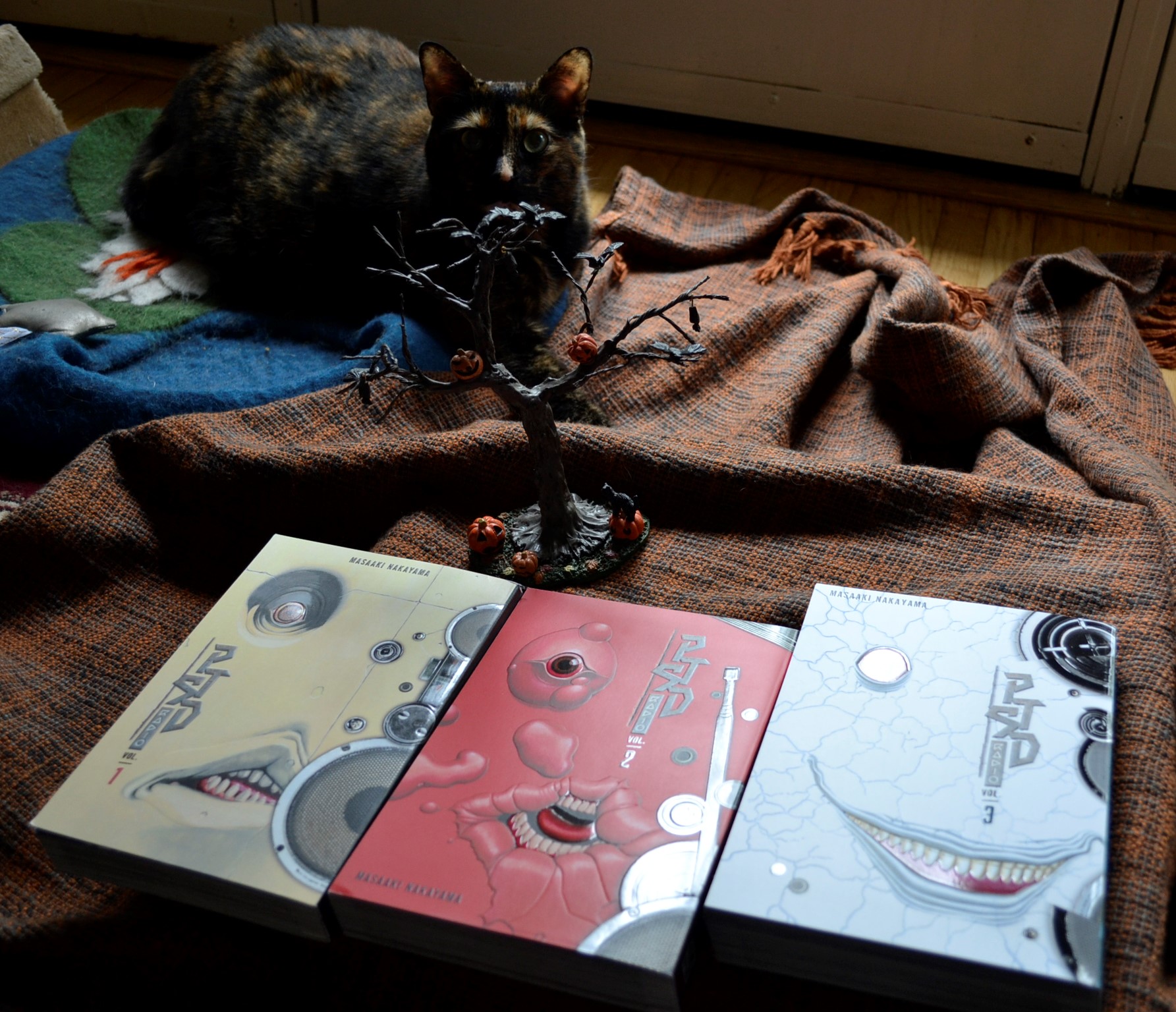
Nakayama Masaaki’s PTSD Radio is a horror series that has some very creepy writing combined with some fantastically creepy artwork.
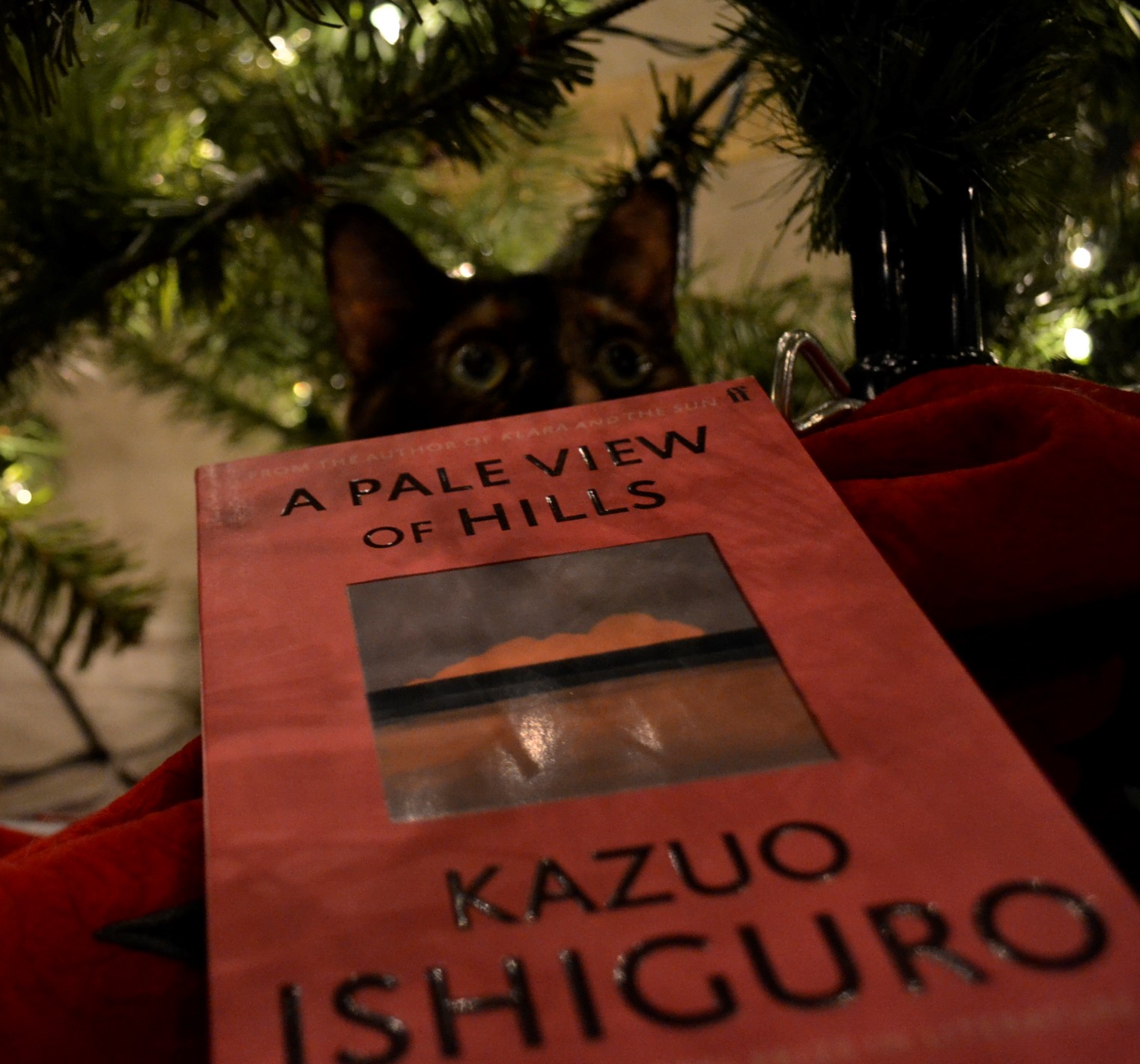
A Pale View of Hills is a short novel — arguably a novella — that centres around a woman named Etsuko who was born in Japan but has ended up in the UK after leaving a marriage behind. Set partially in the present and partially in the past, Etsuko reflects on a friendship she had with a woman named Sachiko.
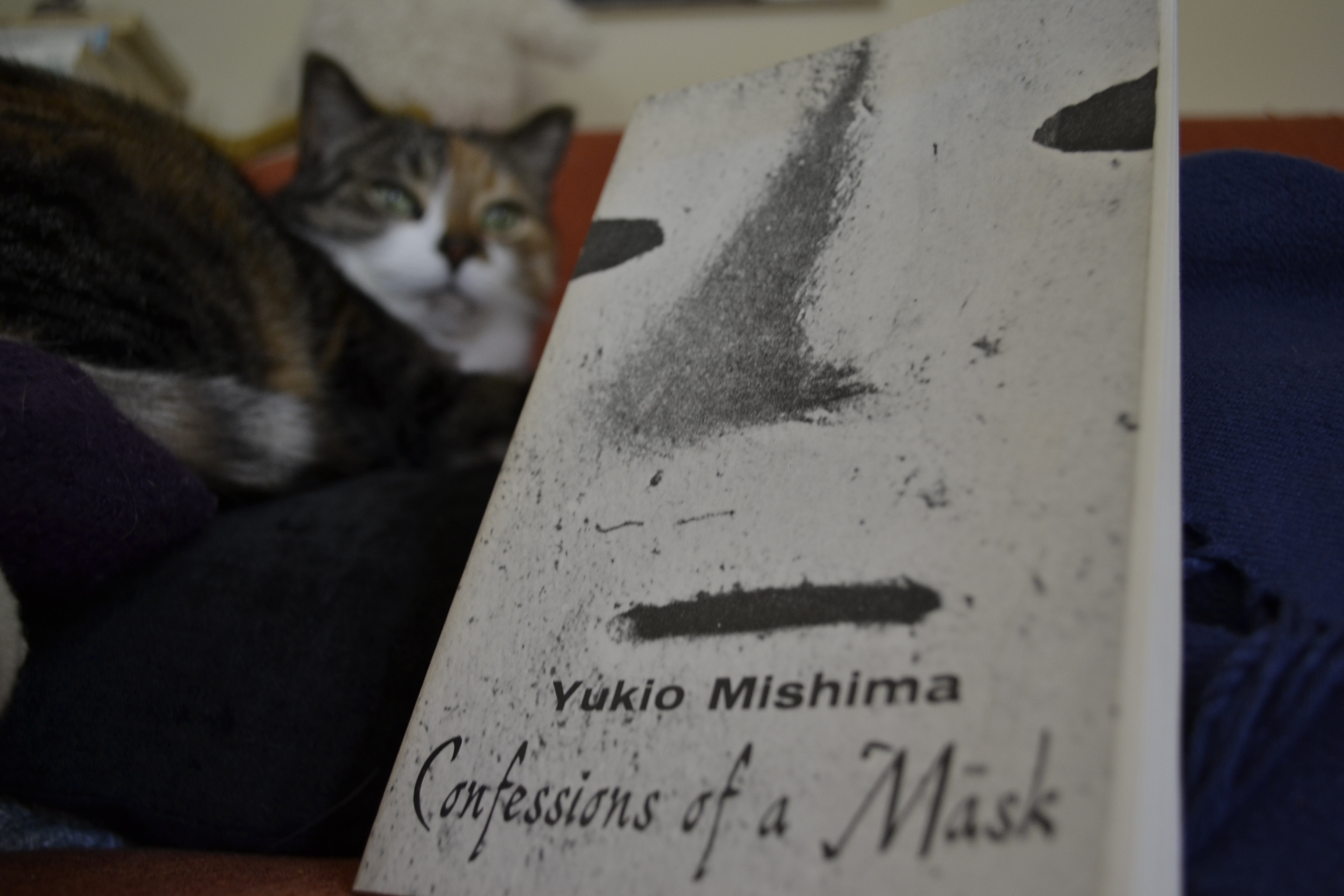
As the book continues, the narrator becomes less and less reliable and also less sure of himself and what he is capable of. Desires, thoughts, and feelings pull Kochan apart with a slow intensity.
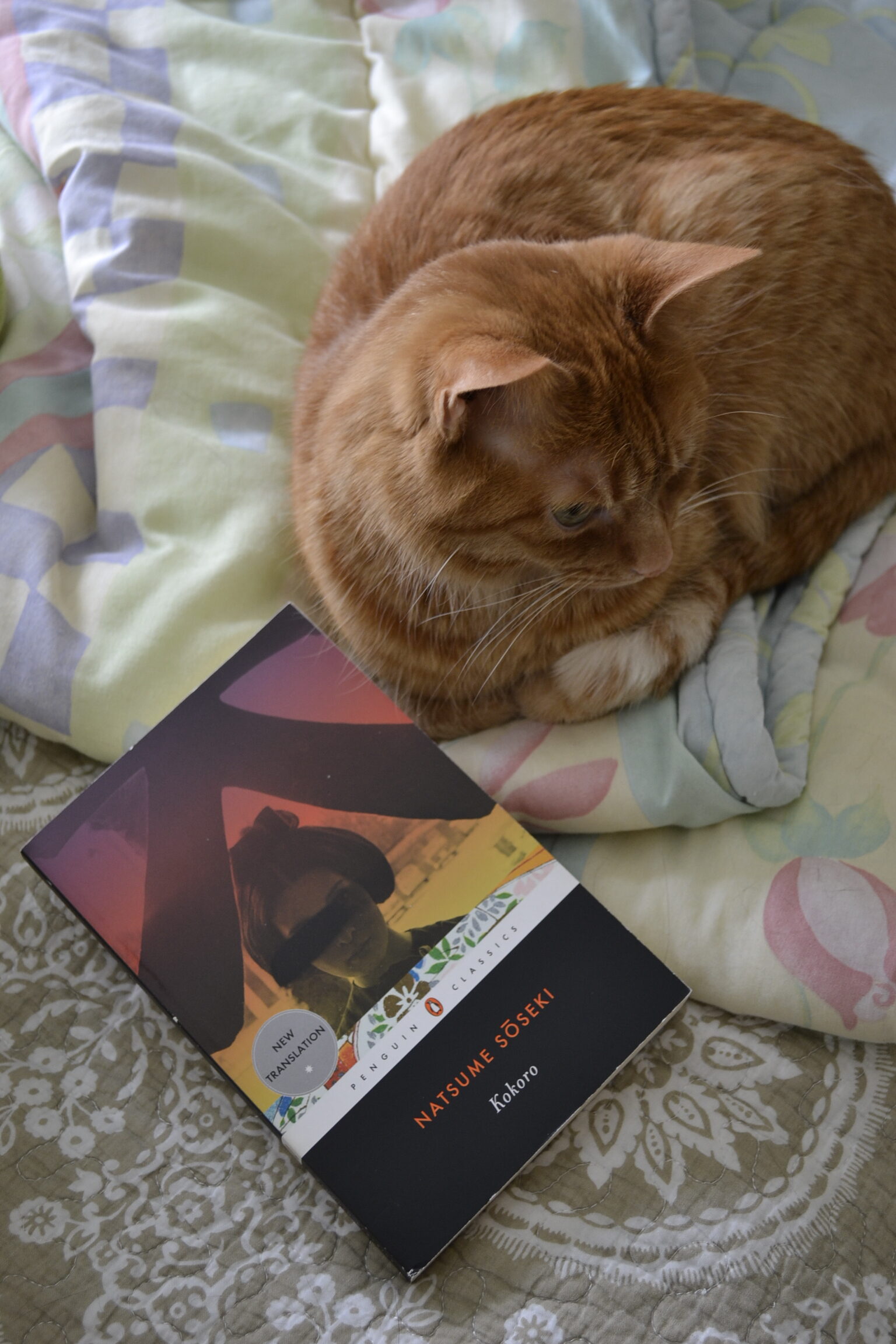
he plot of Kokoro centers around two characters that are never named. The first two parts of the novel consist of a young student getting to know an older man whom he refers to only as ‘Sensei’.
As skilled and articulate as this novel is, it’s a difficult read. Perhaps the most interesting aspect of the novel is the examination of performance both historically and in terms of the performances characters go through for the sake of saving face, or defending against impending decisions.