Vegas

I think it’s a pretty common experience to have a dark season. I can remember how lost I felt in my mid-twenties, when school was over and everyone started to ask me what was next.
Antiquarian and Classic Book Reviews
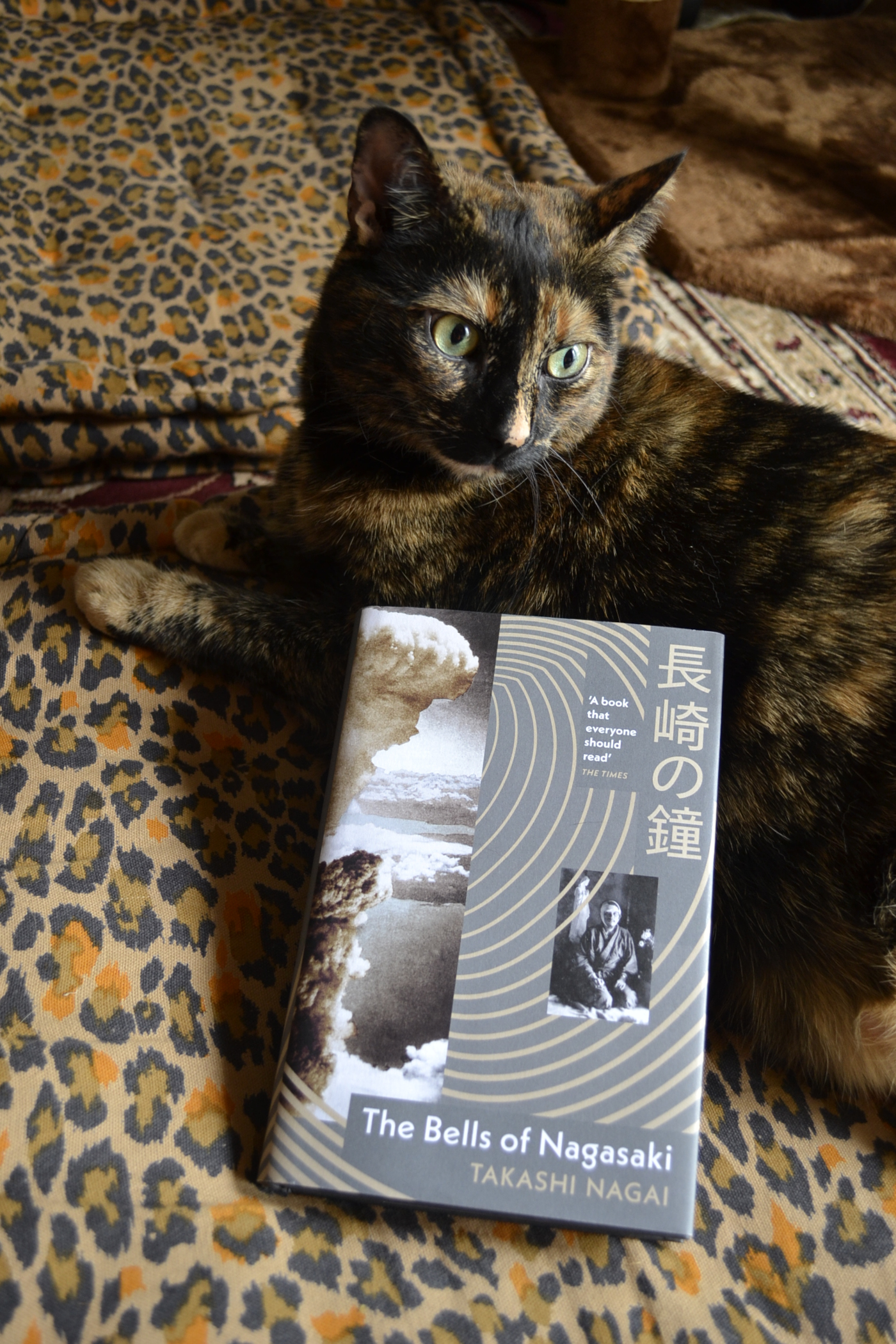
Rusalka is a tortoiseshell cat, with beautifully brindled fur and a silly Groucho-Marx moustache. She’s bossy, chatty, and very, very lovey.
She was adopted at ten weeks old in September 2020 and is the youngest cat in our household. People warned us about ‘tortitude’ when we adopted her — and she does have attitude, but not nearly as much as we expected.
Rusalka hates to be picked up. Except when she wants onto your lap, then you have to pick her up. Any other time, and she will stick her legs and claws out and flail like you’re murdering her. She goes where she wants to go, and she might be a little bit spoiled.
But you are guaranteed to be Rusalka’s friend. This cat has always been friends with everyone. She is friends with the vet. After her shots, she will rub against the vet’s leg to remind them that they are still friends. She is friends with the service technicians who fix our furnace. And the plumber. And anyone who visits. And her sisters most of all. Rusalka even gets along with the famously anti-friends Jabberwocky.
She is very serious when she plays, whether that’s chasing a string or screaming before running after a felt bee thrown down the hallway. Her favourite toy is the bee on the string, but we don’t play that very often. When she catches the bee on the string, she bites down and growls and gets very, very serious about keeping what she has caught.
She’s the biggest, cuddliest Mama’s girl, and Hargrave rarely gets to lie down and read without Rusalka insisting on being put on her lap.
I think it’s a pretty common experience to have a dark season. I can remember how lost I felt in my mid-twenties, when school was over and everyone started to ask me what was next.
Looking for a gift for some late Christmas party or gift exchange? Well, this little edition of Christmas stories from 1909 Nobel Prize Winner Selma Lagerlöf definitely fits the bill.
The book brings the reader the feeling of looking out on that first snowfall, when the world feels sparkling, new, and full of beautiful, cold days to come.
This volume is a great introduction to Thomas for those that are new to his work, but it also serves as a compact little compliment to those that are familiar with and love Thomas’ work already.
His account of the bomb is written from the view of the survivors, focusing primarily on those that worked or were studying at the hospital.
Jakov Lind’s Soul of Wood is technically an example of post-war German literature but I decided to include it anyway because all of these stories revolve around the second world war and its aftermath.
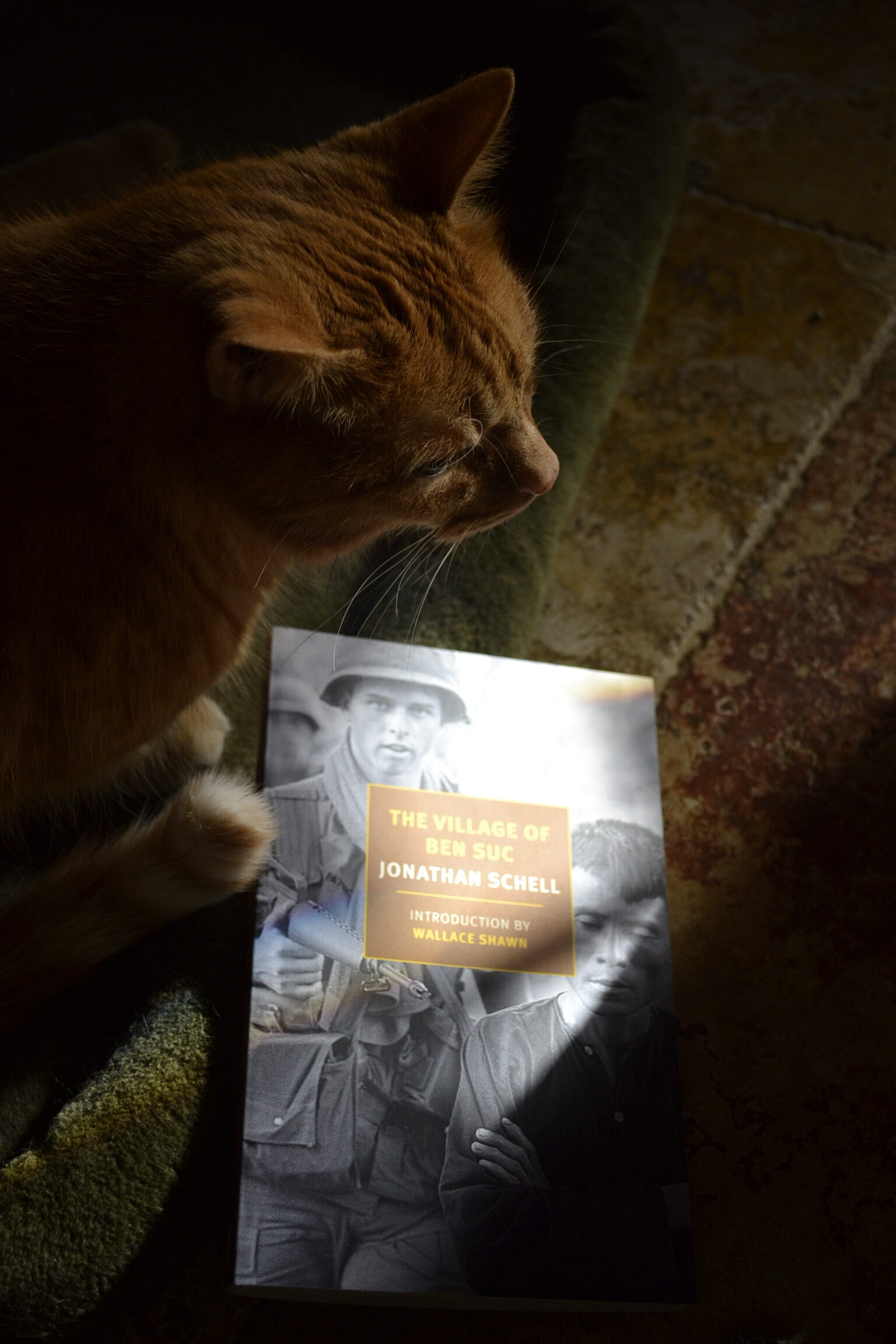
Of all of the accounts I have read from reporters during the Vietnam War, Schell’s is not the most myopic.
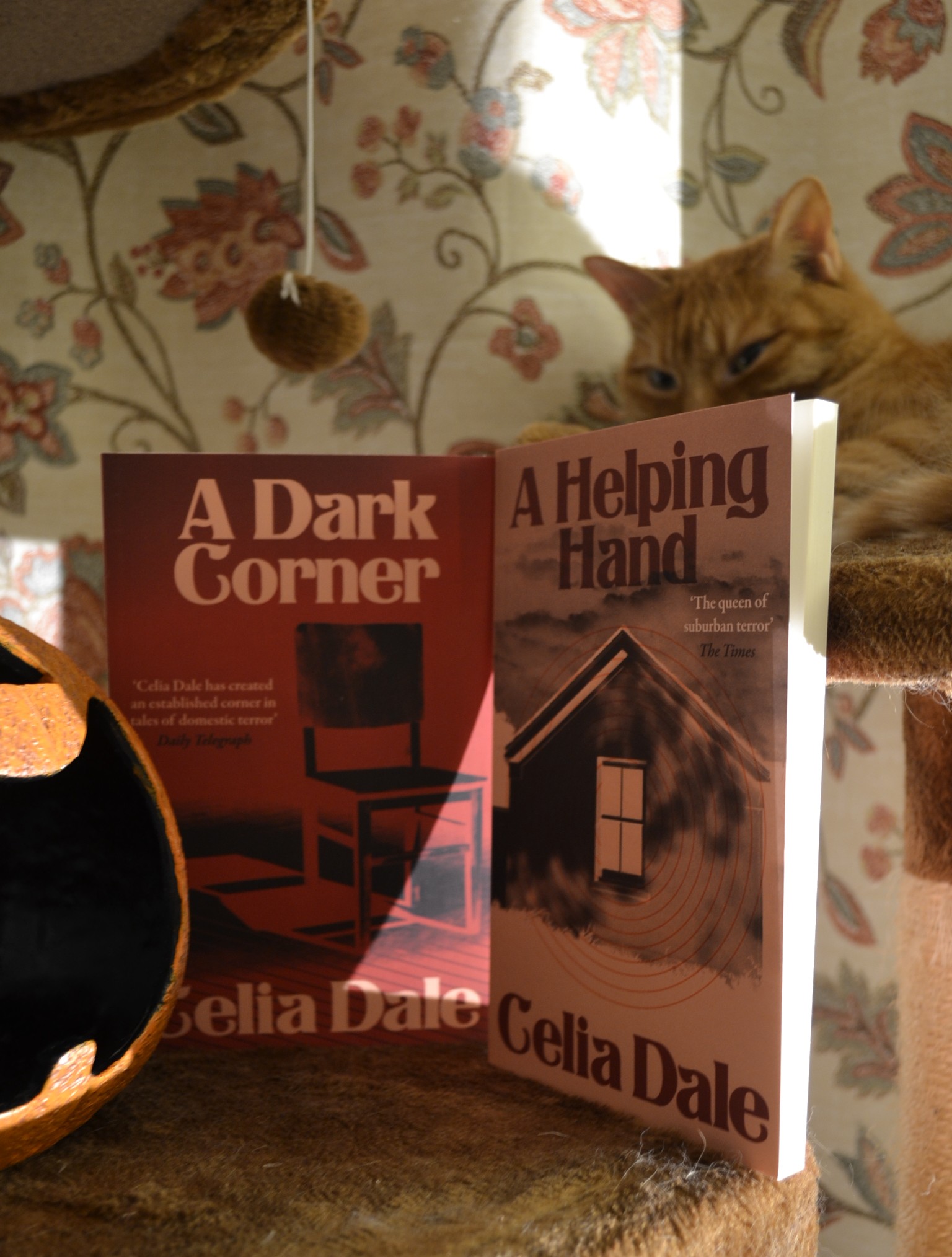
Both A Helping Hand and A Dark Corner are well under two hundred pages, but each of them packs a disturbing punch and were well ahead of their time.
It’s not the usual gothic fare, but instead is a bit more subtle in its spookiness. However, there is a spooky graveyard and a few scary desolate locations.
Hemingway is writing about a time before he achieved any kind of legendary status, when he lived in a derelict flat and struggled to feed himself and his family while still writing in cafés and remaining connected with his peers.