Goodbye to All That
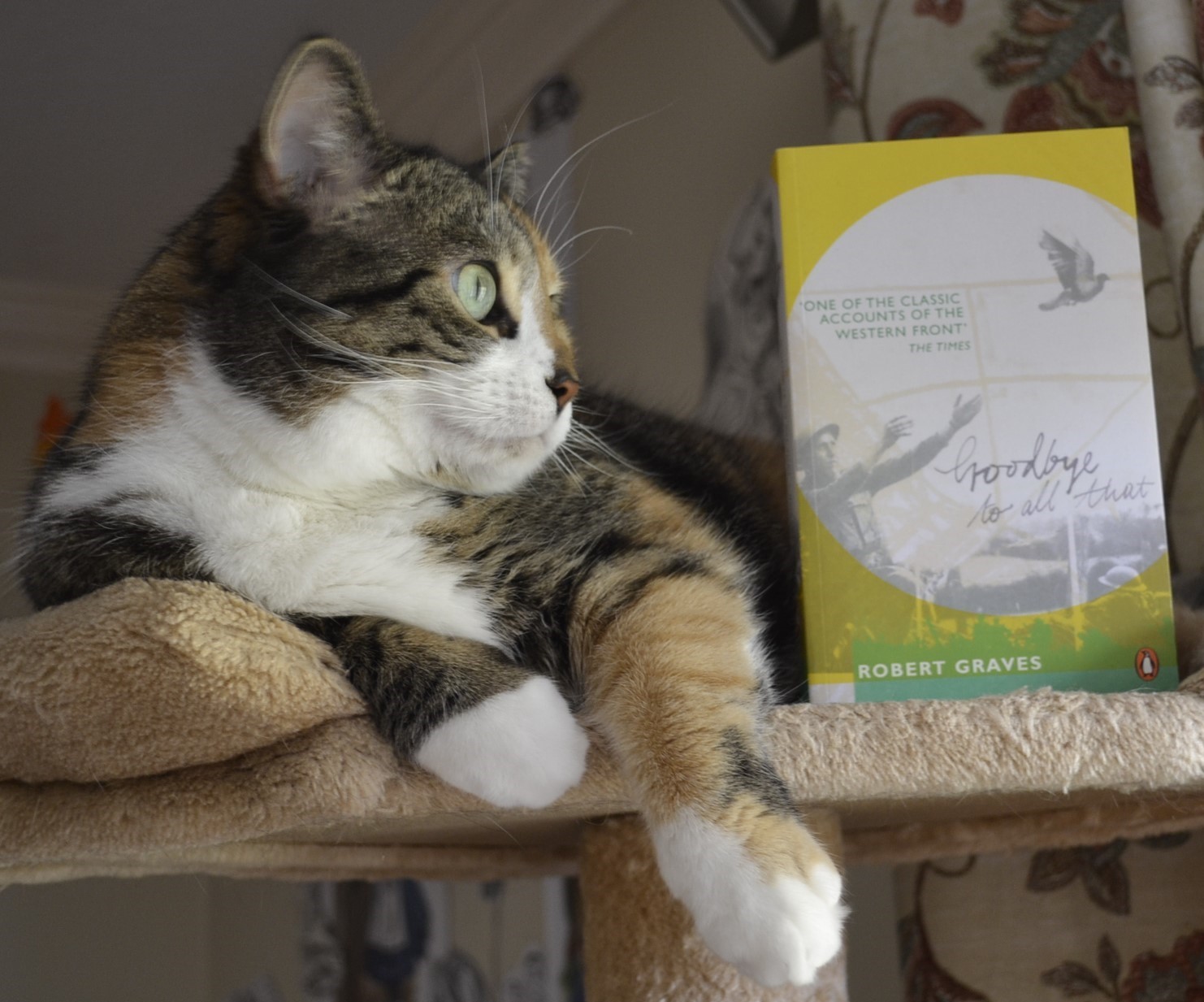
Graves has the unique perspective of being in the middle and a bridge between the command that used soldiers as canon fodder and didn’t fight, and those that were the fodder and lost their lives so meaninglessly.
Antiquarian and Classic Book Reviews
Books written by British, Irish, and Scottish authors from the United Kingdom. Usually written in English.
You are viewing UK authors.
You can view all languages/regions, or you can search by editor/translator, genre, era/movement, book authors, or year of edition.
Graves has the unique perspective of being in the middle and a bridge between the command that used soldiers as canon fodder and didn’t fight, and those that were the fodder and lost their lives so meaninglessly.
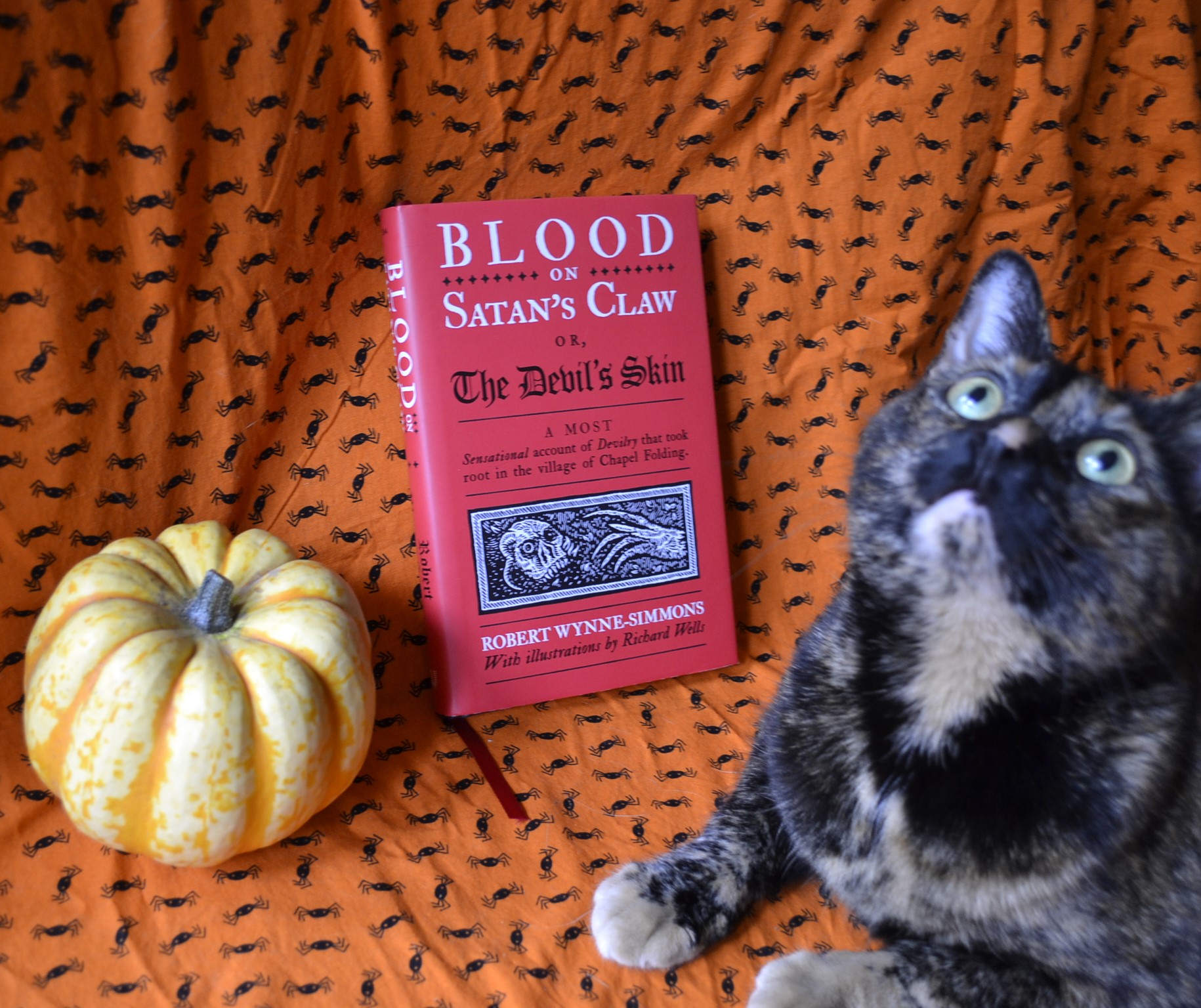
This book may have been published just last year, but the writer, Robert Wynne-Simmons, is actually the screenwriter for the 1971 British horror film of the same name. So this book is a novelization of a movie that is over fifty years old.
This novel is really an intersection of two goliaths of classic film and classic literature, and therefore I decided to both read it and to review it, despite it being a bit more recent.
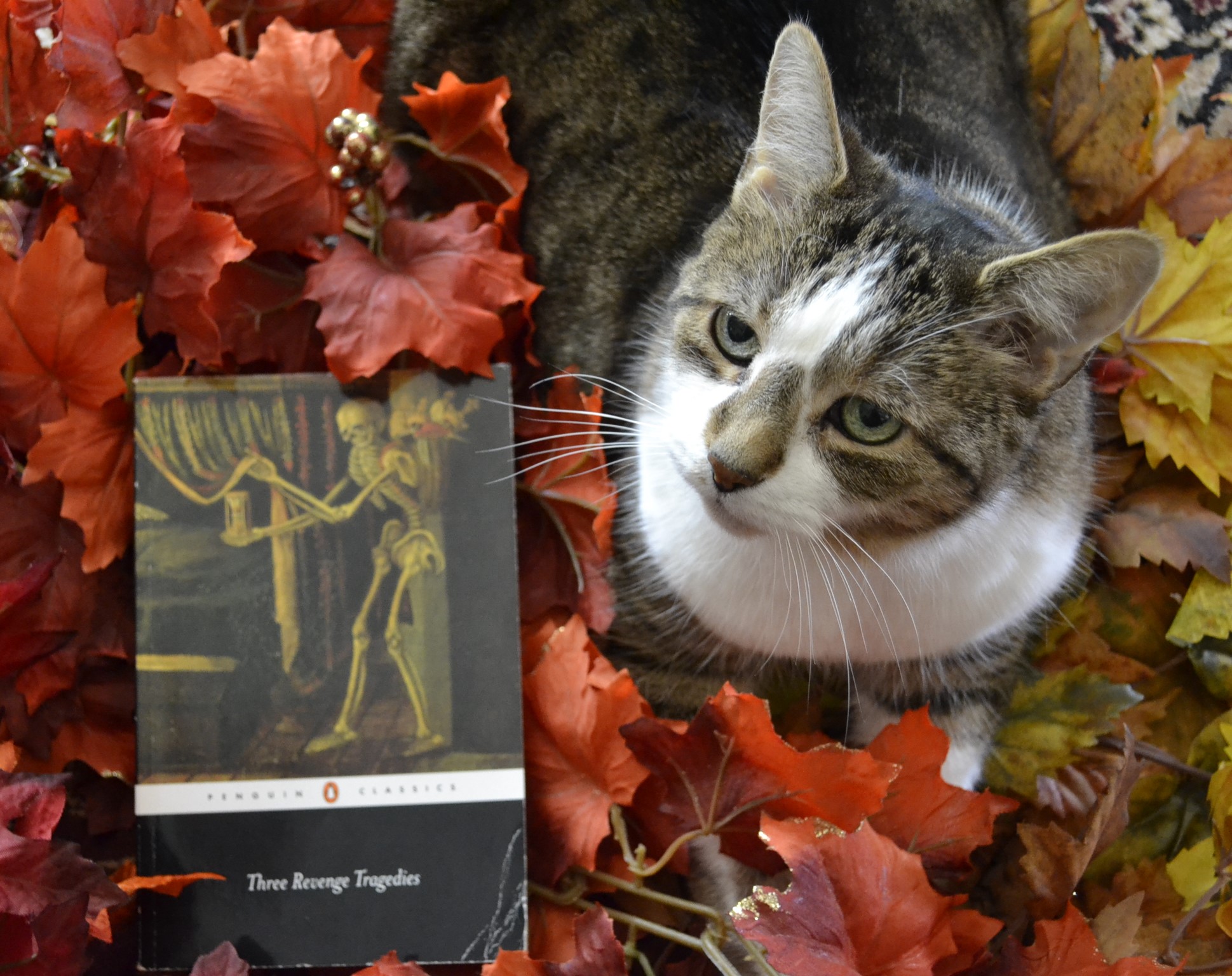
According to Google, a revenge tragedy is: A style of drama, popular in England during the late 16th and 17th centuries, in which the basic plot was a quest for vengeance and which typically featured scenes of carnage and mutilation.
It’s the subtlety that I described above that really makes this book a great selection to the spooky season — especially if you’re looking for something a bit off the beaten path.
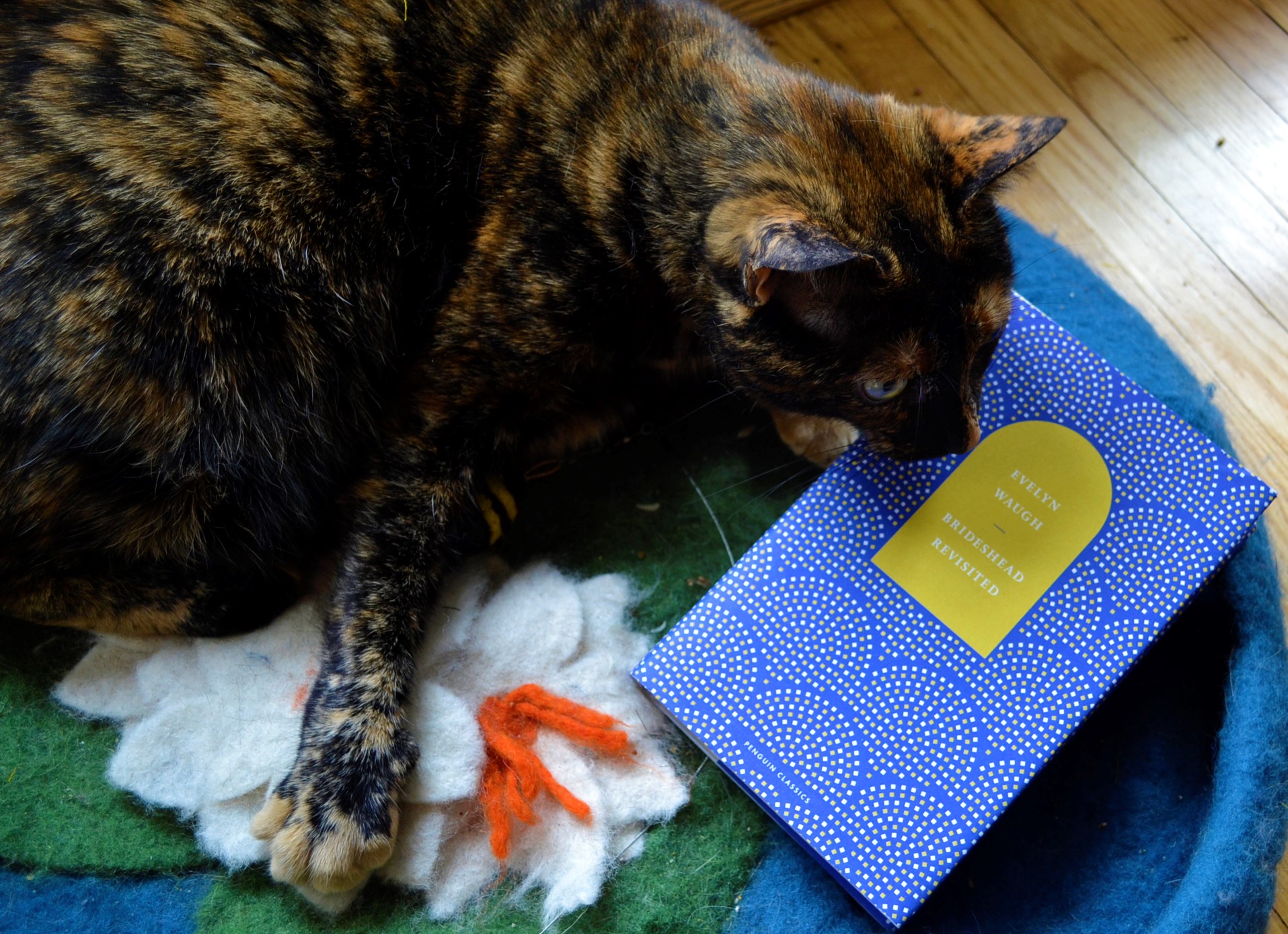
I think what primarily draws people to Brideshead Revisited novel is its themes of decadence, ignorance, and privilege.
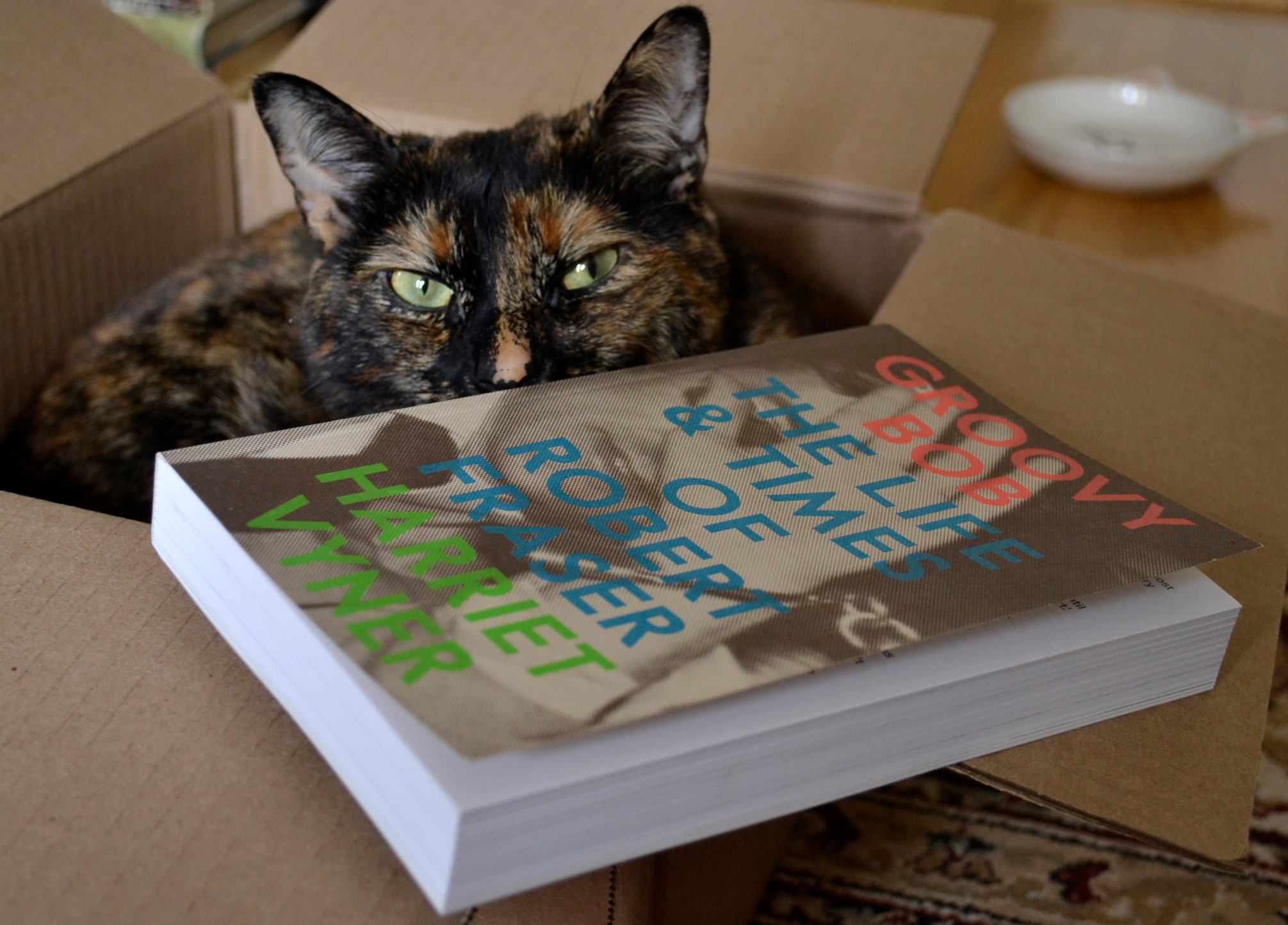
Vyner decided to write Fraser’s biography via extensive interviews with the people who knew him, including herself and her own memories of him. It’s an interesting mix of individuals and viewpoints because not only does she have statements from his mother and various relatives, the reader also gets to hear from famous musicians, as well as famous artists.
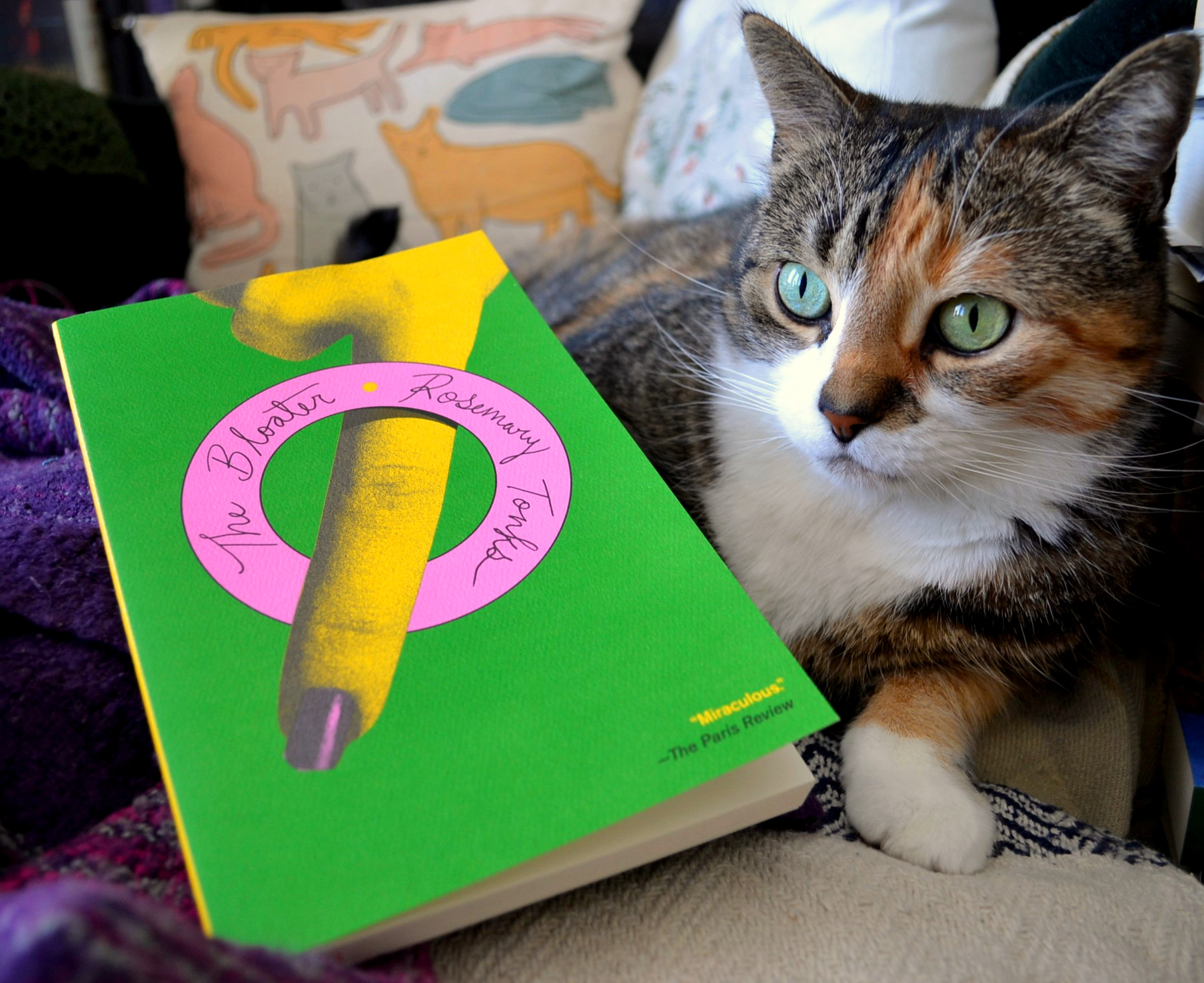
I hadn’t heard about Rosemary Tonks until lately when I skimmed part of an article about her in The New Yorker. It wasn’t so much her style or subject matter that drew me to her work. It was the fact that she seemed so dead set on destroying it.
She not only describes depression in a way that goes beyond the hallmark of profound sadness — she also discusses the feelings of being overwhelmed and the incapability of focussing on even simple tasks. She discusses the desire to see life in small objects like birds and flowers when one feels so utterly lifeless themselves.
Taylor’s stories usually take place around the home and centre on domestic issues, but I think that classifying her work as ‘domestic drama’ confers a feeling of banality that is quite unfair.