PTSD Radio
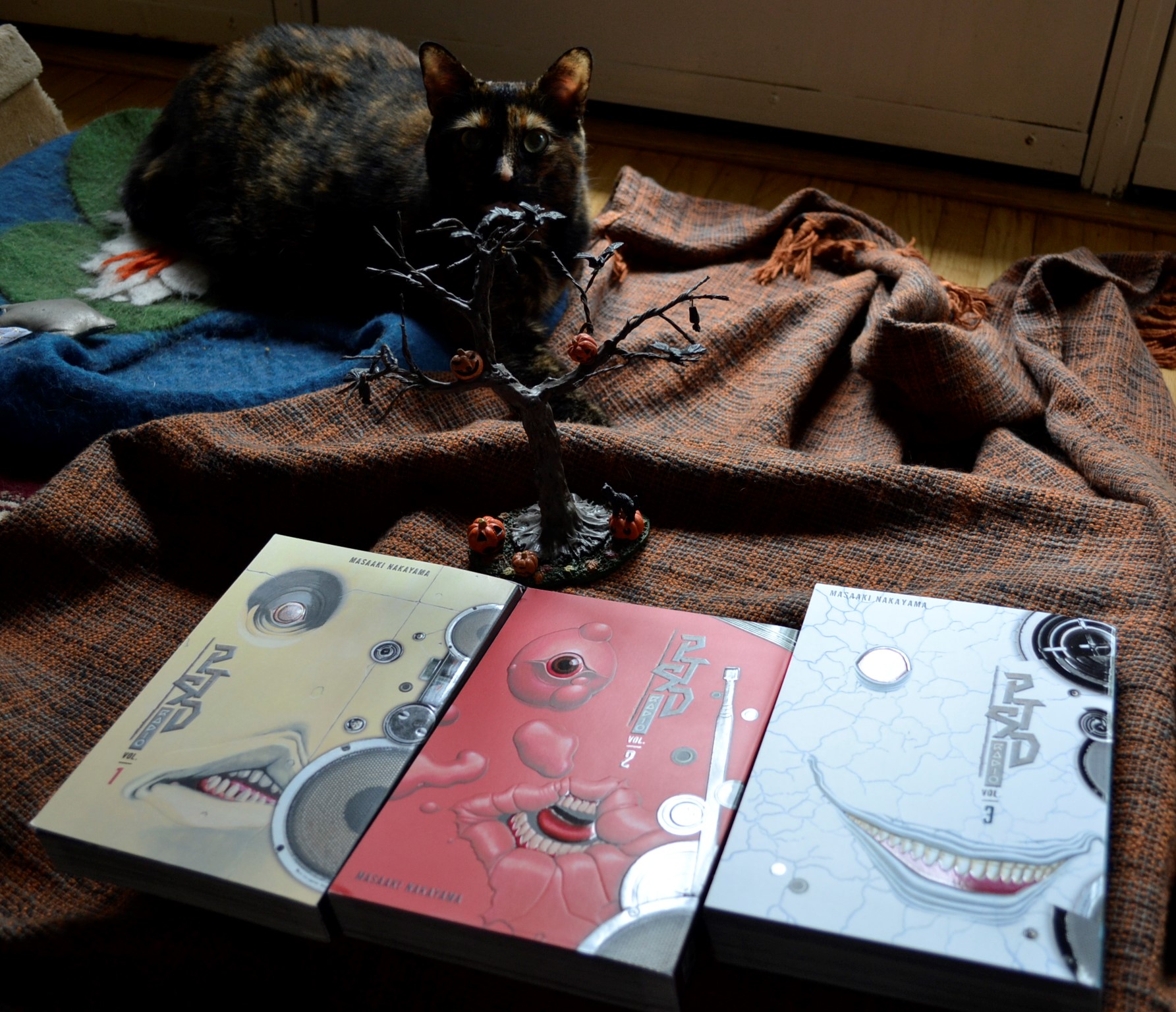
Nakayama Masaaki’s PTSD Radio is a horror series that has some very creepy writing combined with some fantastically creepy artwork.
Antiquarian and Classic Book Reviews
Rusalka is a tortoiseshell cat, with beautifully brindled fur and a silly Groucho-Marx moustache. She’s bossy, chatty, and very, very lovey.
She was adopted at ten weeks old in September 2020 and is the youngest cat in our household. People warned us about ‘tortitude’ when we adopted her — and she does have attitude, but not nearly as much as we expected.
Rusalka hates to be picked up. Except when she wants onto your lap, then you have to pick her up. Any other time, and she will stick her legs and claws out and flail like you’re murdering her. She goes where she wants to go, and she might be a little bit spoiled.
But you are guaranteed to be Rusalka’s friend. This cat has always been friends with everyone. She is friends with the vet. After her shots, she will rub against the vet’s leg to remind them that they are still friends. She is friends with the service technicians who fix our furnace. And the plumber. And anyone who visits. And her sisters most of all. Rusalka even gets along with the famously anti-friends Jabberwocky.
She is very serious when she plays, whether that’s chasing a string or screaming before running after a felt bee thrown down the hallway. Her favourite toy is the bee on the string, but we don’t play that very often. When she catches the bee on the string, she bites down and growls and gets very, very serious about keeping what she has caught.
She’s the biggest, cuddliest Mama’s girl, and Hargrave rarely gets to lie down and read without Rusalka insisting on being put on her lap.
Nakayama Masaaki’s PTSD Radio is a horror series that has some very creepy writing combined with some fantastically creepy artwork.
I’ll leave it up for you to decide whether the novel lives up to its extensive praise. For my part, despite the book being outside my literary comfort zone, I did see what made it so ground-breaking and so influential. It was worth the read — as long as the graphic violence (including sexual violence) is something that you can tolerate as a reader.
My summer of reading non-fiction continues with two selections — Lucy Grealy’s Autobiography of a Face, and Ann Patchett’s Truth and Beauty. The two books naturally go together and I’ve decided to review them together here because I feel like they end up completing each other.
You know just enough about the characters — no more, no less. You are provided with just enough background information. It keeps the story tight and moves things along in ways that longer works often struggle with. Perhaps if you look closely you can see the traces of a formula, but it is applied so skillfully that it doesn’t detract from the enjoyment or impact of the narrative.
In a novel that occurs in single day, it can be ironically difficult to mark time and to create atmosphere. There are often limits to setting to consider, as well as how to convey the sense of hours passing without it seeming chaotic or creating too much stress in the reader experience. Guilloux is a master of atmosphere and space.
I think what primarily draws people to Brideshead Revisited novel is its themes of decadence, ignorance, and privilege.
Talk is one of those novels that gives back to the reader according to what the reader puts into it. One can read it on a very surface level, or one can decide to carefully consider the book chapter by chapter and think about what it means in terms of trends of thought and the shifting tides of late 1960s culture.
Vyner decided to write Fraser’s biography via extensive interviews with the people who knew him, including herself and her own memories of him. It’s an interesting mix of individuals and viewpoints because not only does she have statements from his mother and various relatives, the reader also gets to hear from famous musicians, as well as famous artists.
While Lowell is perhaps not exactly a well-known name outside of academic and literary circles, Lowell has a lasting influence on modern poets, writers, and scholarship.
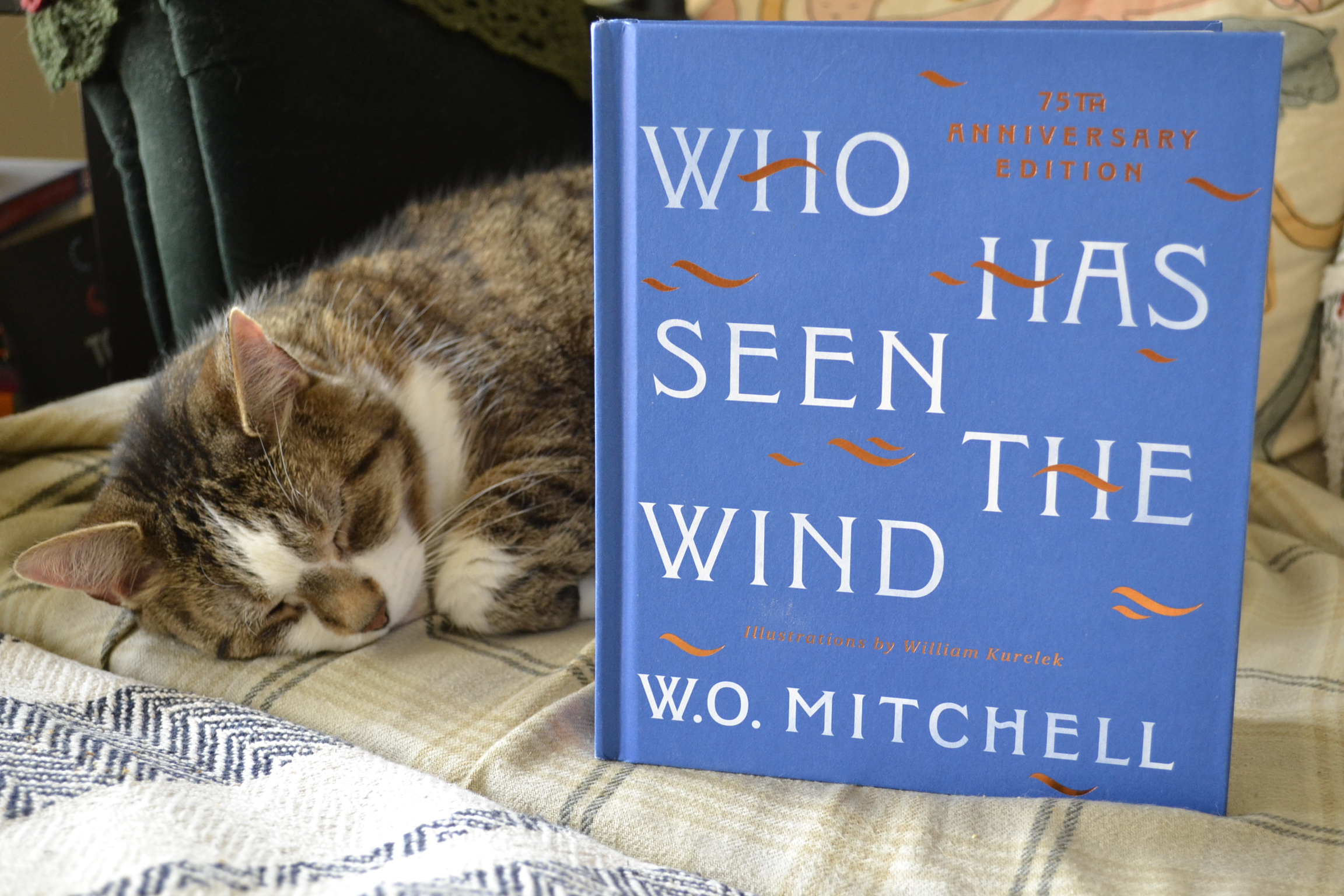
Who Has Seen the Wind is a boyhood in a space where the farm meets a just-developing urban reality. There’s an extensive cast of characters and a stream of events that flow as steadily and relentlessly as the passage of time, as Mitchell captures the insular nature of village life.