Happy Post Bunny Day
I write these posts about a week in advance, so when you read this, it will be past Bunny Day, but as I write this, we are knee-deep in last-minute Bunny Day preparations. Tomorrow, the eggs will be dyed in their natural dye baths, making the entire house smell like boiling red cabbage and turmeric. We still have to find a place for the chocolate to be stored until the egg hunt, because our cupboard is still full of Christmas chocolate that we have yet to eat. We need to get out the bunny ears so we can take some silly holiday photos of our furry children. So much to do!
What a Novel Can Be
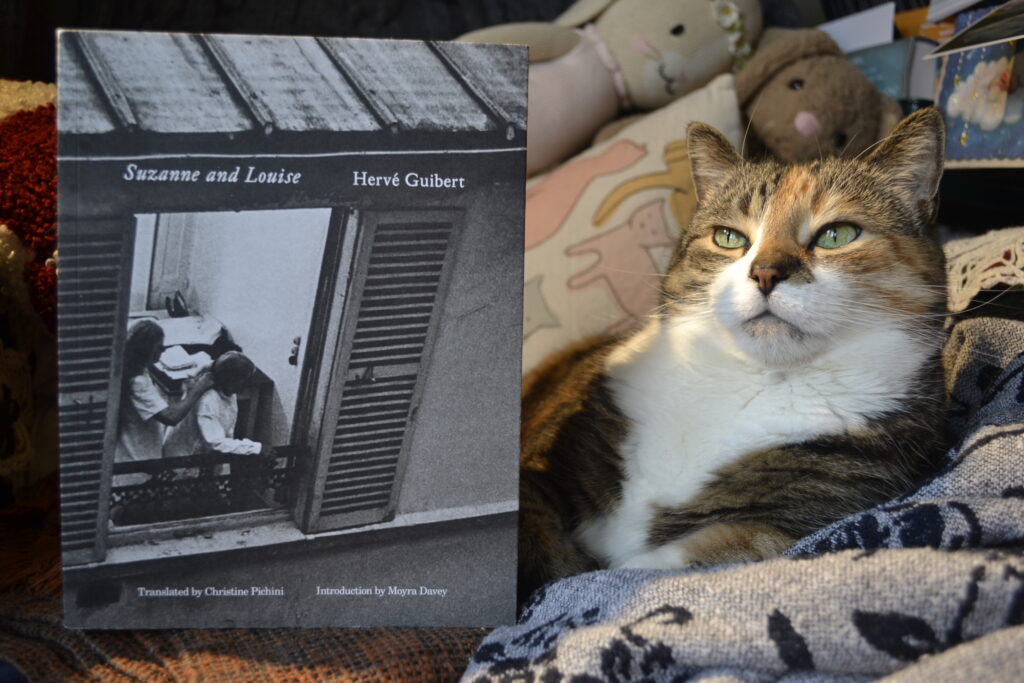
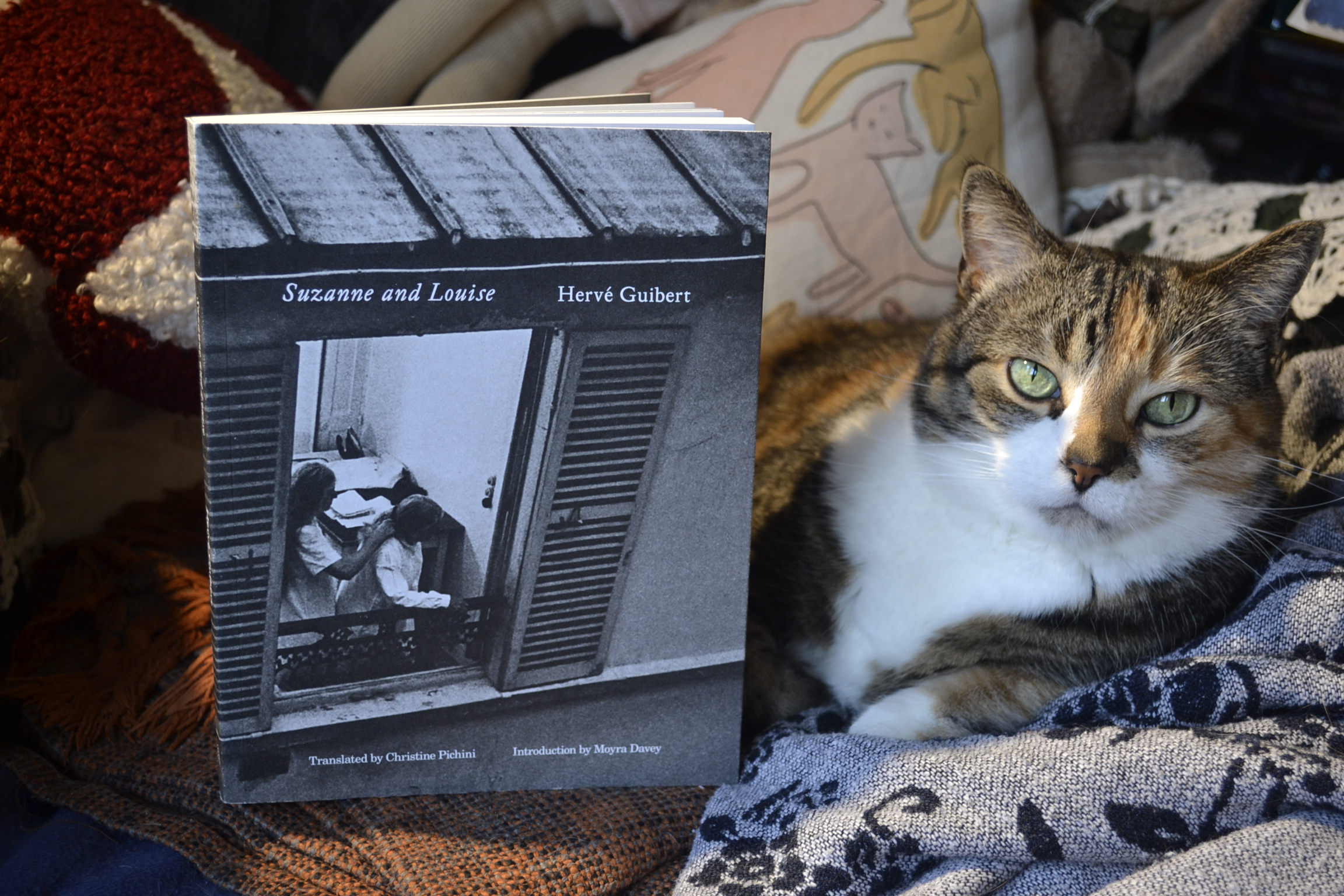
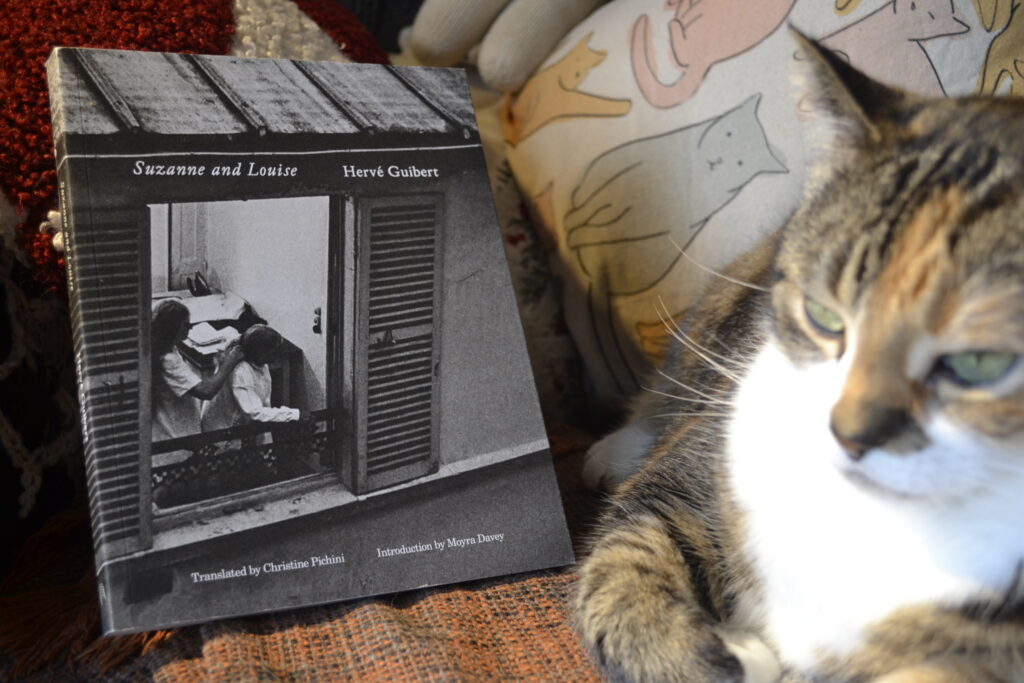
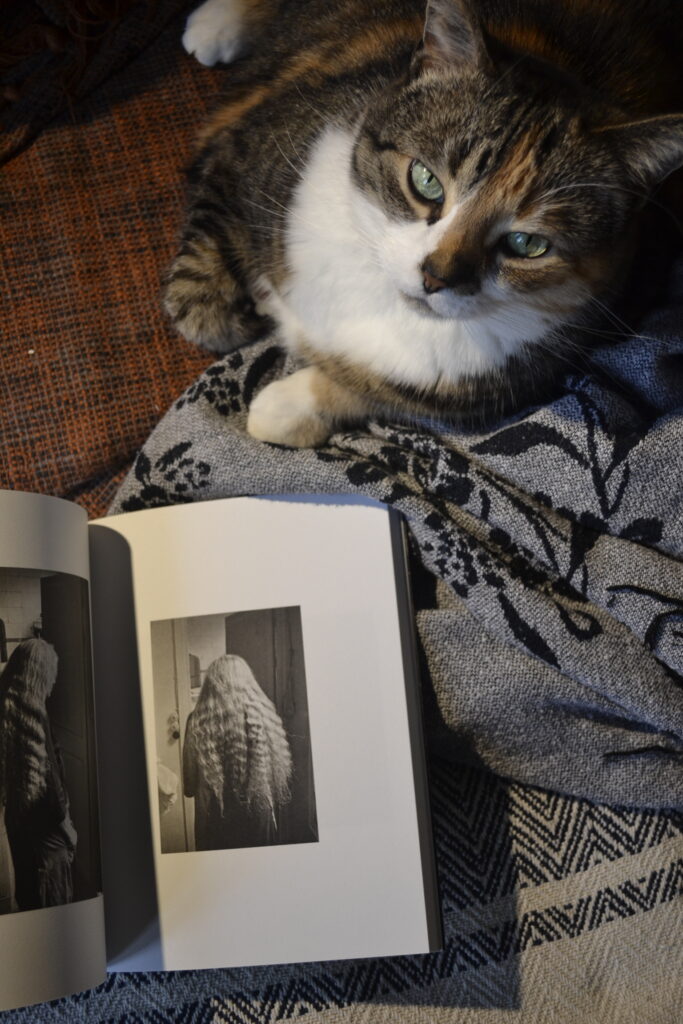
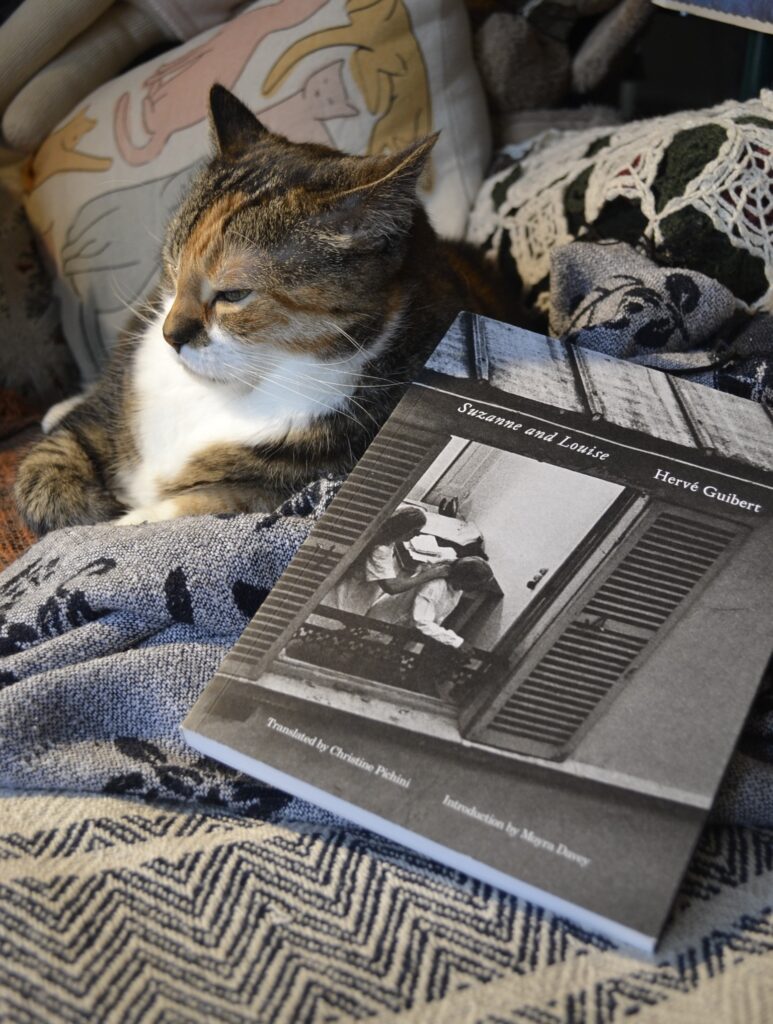
I have reviewed To the Friend That Did Not Save My Life on this blog before, and that and The Compassion Protocol were the books that initially drew me to Hervé Guibert’s work. However, he did not just write about his own AIDS diagnosis or the process of illness and dying. He has a body of fiction work and some other non-fiction books — including this one, Suzanne and Louise, a non-fiction novel partially in photos.
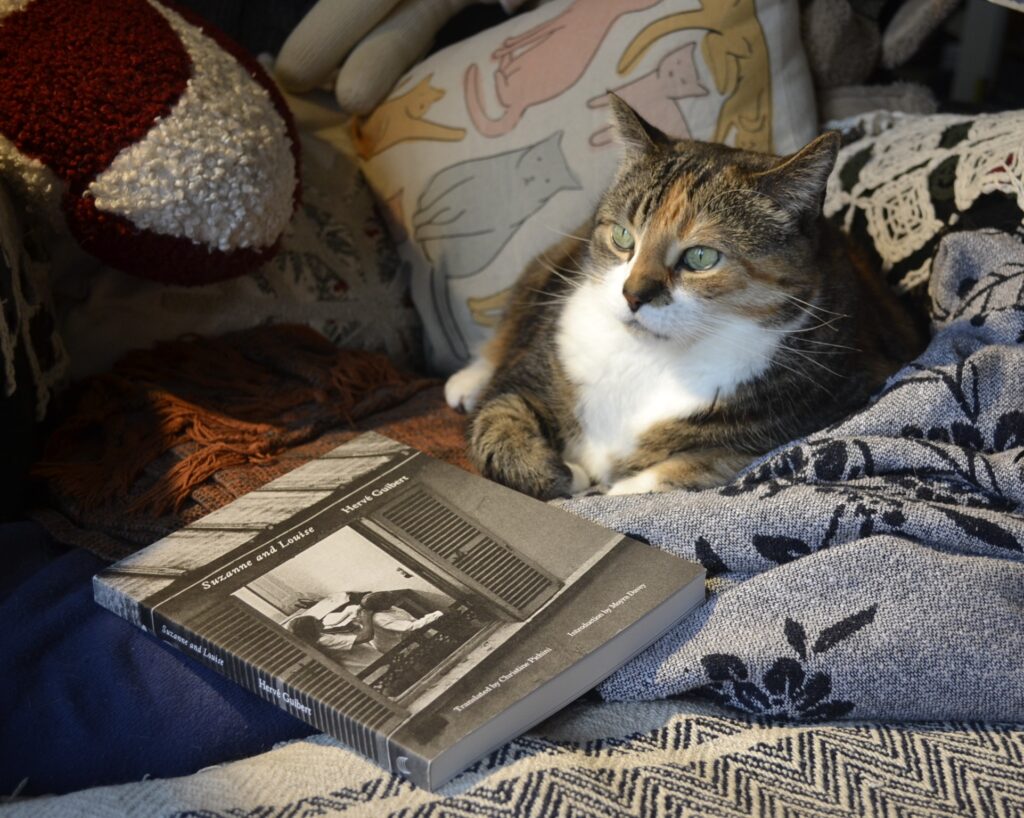
Suzanne and Louise are Guibert’s two aging great aunts who live alone together in an apartment in Paris and have lived together for more than forty years. Louise, who was formerly a nun, has become Suzanne’s caretaker as they both grow older together. Through Guibert’s photos, we see as well as read the story of their lives and how they are facing their approaching end of life. Without the photos, the novel would not be complete. Without the words, the images would not have as much meaning. It goes to show that novels can take so many forms and that’s part of what makes them such a powerful form of expression.
The Importance of Aunts
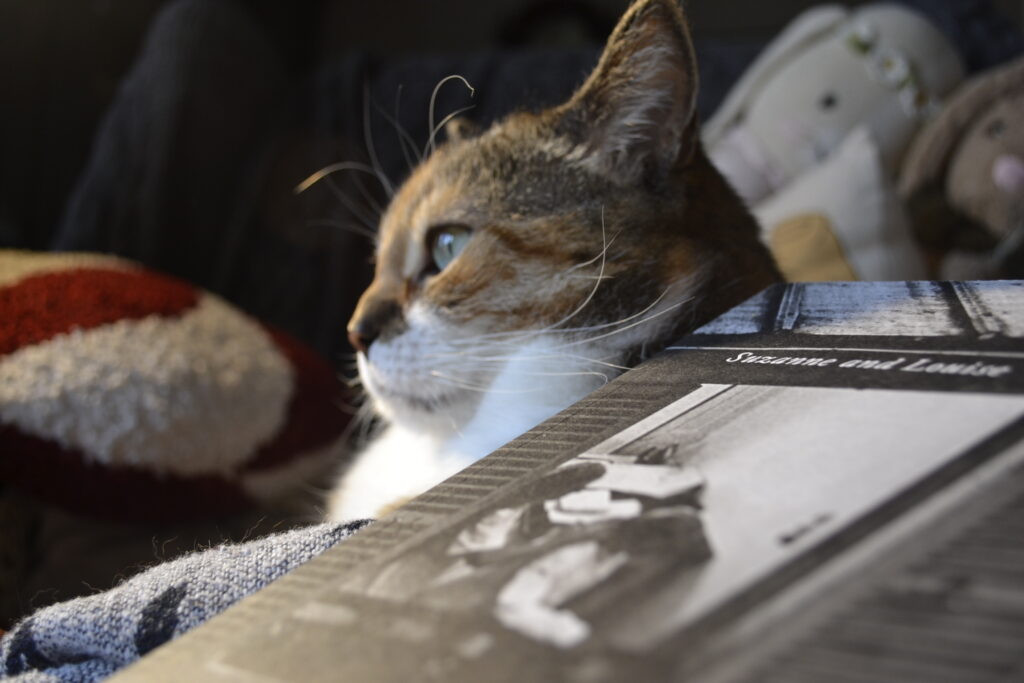
In recent years, there has been a discussion of just how important aunts (related by blood or by long-standing friendship) can be in a family structure as individuals who often model a different lifestyle and offer a more diverse perspective outside of the nuclear family. Suzanne and Louise predates the current conversation, of course, but it offers evidence of this idea in motion. Guibert’s aunts were a major part of his life and offer him comfort that his parents cannot when he gets sick. In them, he can see his own end of life. They meet in a common space and at a point that he cannot reach with his more immediate family. They have a relationship that exists outside the confines of parent and child and, because of that, there is a unique connection that has the resilience of family but is less hierarchical and more a meeting of minds.
Life Lived Differently
Not every life follows the same path. Guibert is a gay man that is dying of AIDS, while Louise and Suzanne have each other but no children or husbands in the picture. All of them represent life lived differently, be they queer or child-free or without ever getting married. These perspectives are important, especially when dealing with aging and end of life. Not only are these issues hard to talk about, but often people find them difficult to discuss unless they fall inside a certain script or a set of expectations. Here, Guibert shows the realities not just of aging but of existing outside of the expected and outside of the traditional family structure at a point when it is relied upon most.
Renewal
Spring is about renewal and it’s heartening to start to see signs of it in our backyard. The grass is starting to turn green at the edges, and the blackbirds have descended on the feeder. Some flowers have started to tentatively bloom. Now if only the cold snaps would stop. They’re hard on our spirits, and Wesker doesn’t like them either. She doesn’t eat as much and spends more time in her closet hideaway on cold days. I think we’re all waiting impatiently for the warmer weather at this point.