It’s Olympic Time!
It’s the Winter Olympics in Milano Cortina, and we have been watching it nearly constantly. The time zones work out, allowing it to be the background noise of choice while we’re working. I know that I could stream coverage and watch whatever events I wanted with apps and PVR, but there’s something magical about just letting the TV chose the coverage for me. It’s also how I watch events that maybe I haven’t chosen for myself. But the real reason I can’t let it go probably has to do with my grandfather watching the summer Olympics on his teeny tiny TV that he took out to the cottage.
New but Old
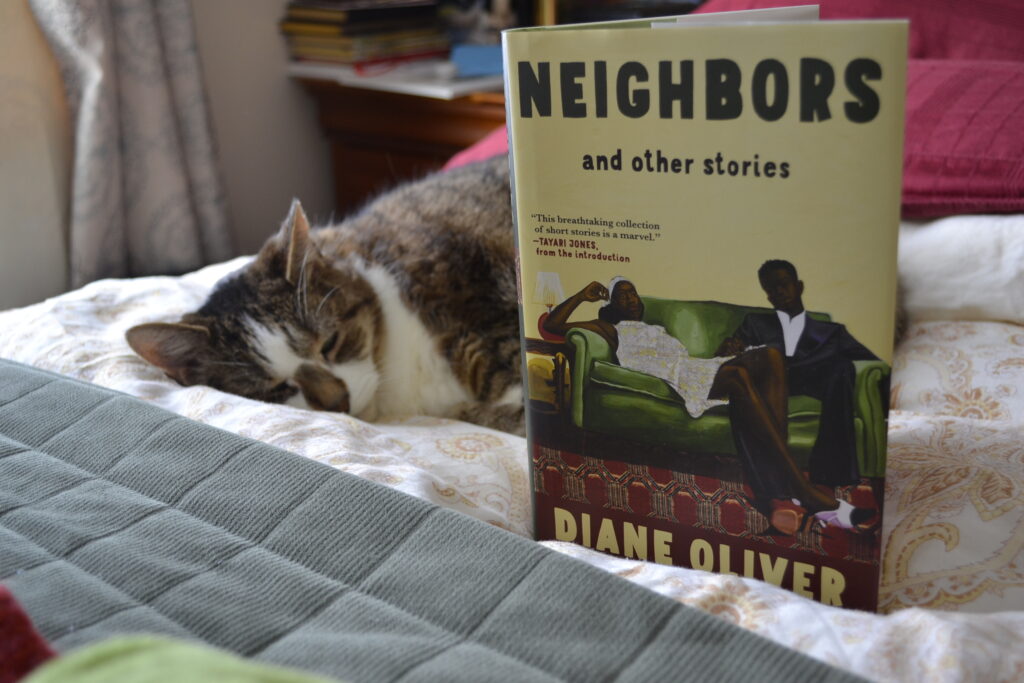
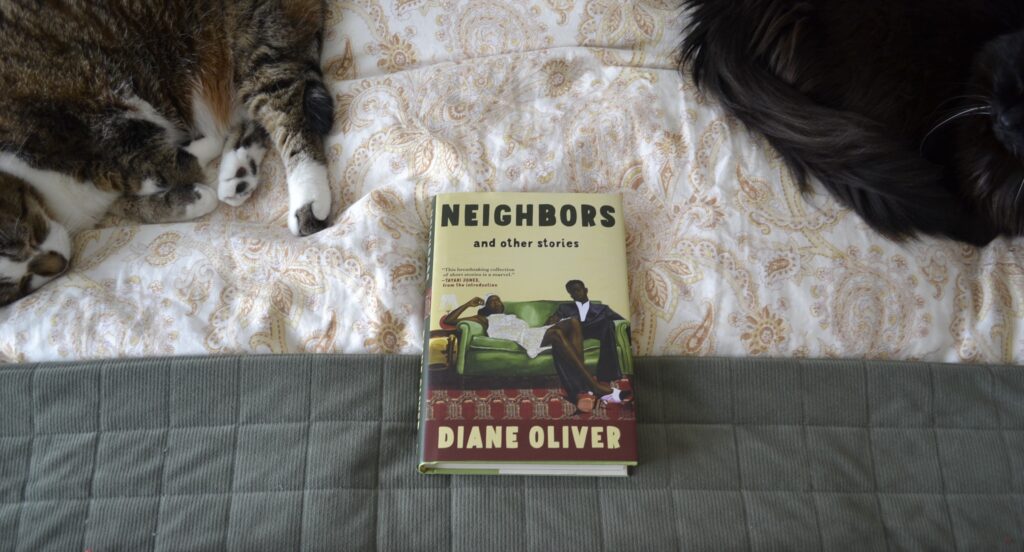
Neighbors and Other Stories by Diane Oliver is the first and only collection from the writer that was published in 2024, though Oliver died in 1966 at only twenty-two years old. So, though the book is new, the stories are classics. Oliver’s prose is crisp and stark as she takes the reader into the realities of Black life under Jim Crow. What we see in these narratives are the struggles not only to be recognized as human in a deeply racist society but the the struggle to recognize one’s own selfhood and keep families together under forces trying to tear them apart. Oliver brings an insight particularly into the challenges of Black women trying to balance domestic labour at home and for the white families that pay them, attempting to protect their children and themselves from being crushed by oppression. It’s a hard, unjust, angering existence, and Oliver does not shy away from depicting it as such.
The Costs of Activism and Oppression
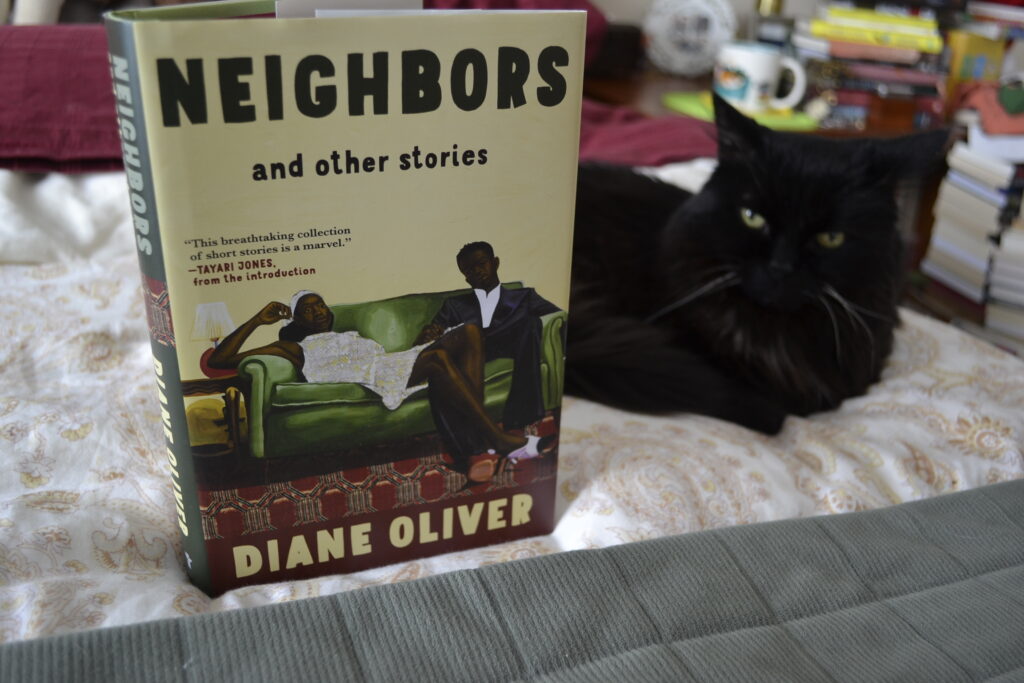
Where Oliver’s skill really shines is in her stories about the civil rights movement and the costs of both systemic racism and the fight against it. In ‘Neighbors’, a family faces whether to send their youngest child into the maelstrom when schools integrating. In ‘Before Twilight’, a young woman on the brink of college attends a sit-in without her mother’s knowledge and with a painful naïveté that twists into a subtle and profound knowledge. These stories are not the familiar and comfortable stories of overcoming adversity. They do not contain loud celebrations of glory. They are quiet stories about doing what is right and the danger of doing that in a world where the law enforces what is wrong. Oliver points out what many people still don’t want to see: That the civil rights movement was bloody, scary, and that a lot of innocent people paid the ultimate price just for standing up for their own rights. That the easier road was to submit to a system that also destroyed them and the bones of who they were. That no matter what choice one made, there were horrific costs.
Potential Unrealized
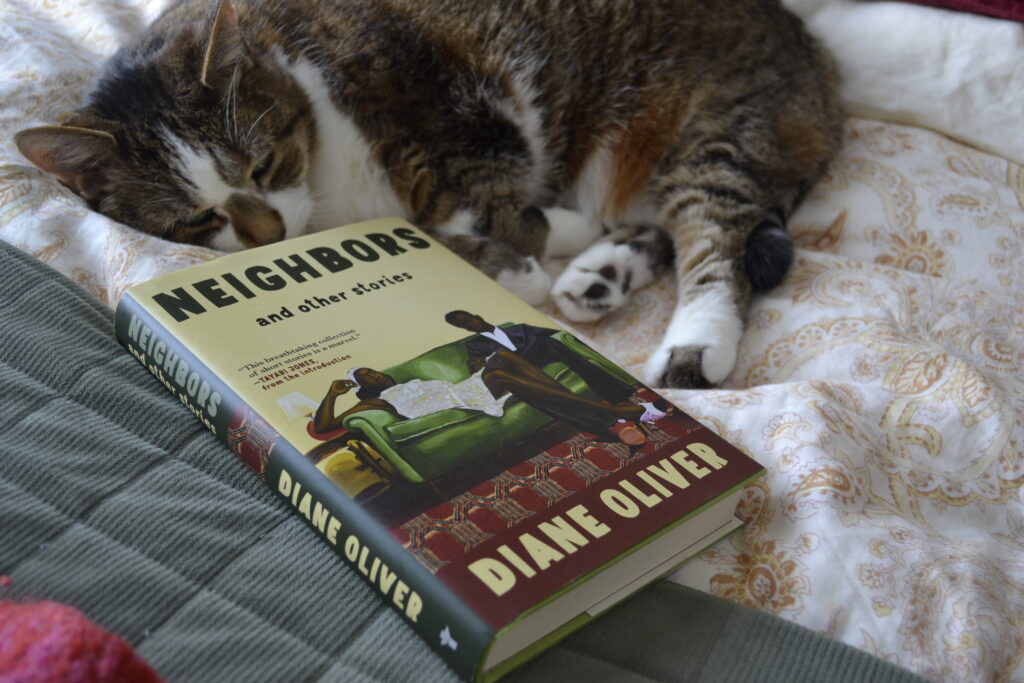
Though these stories are by and large very compelling and very well written, there are moments when it is obvious that Oliver was only in her early twenties. There’s a bit of a clumsiness and a lack of experience present in a few places that are so painfully obvious — because the rest of the writing is so very ahead of its time. The collection showcases how much potential Oliver had and how tragic it was that her life was cut so short. This writing reads like it could have been written in the late 1970s or early 1980s. What could she have done if she had lived longer? What could she have produced and what could she have contributed? These stories are the start of what would have no doubt been an impressive body of work.
Waiting for Hockey
Of course, I am waiting for the hockey events with baited breath and have already been enjoying the women’s hockey. I know we’re a long way from the finals, but the preliminaries can be just as entertaining. I’ll never forget hearing Crosby scoring the golden goal back when I was living in a tiny apartment above a bar. Myself and my lovely future spouse were screaming, the bar started screaming, and then even the streets erupted with screaming as the bar patrons came outside because they could not contain the pure joy.